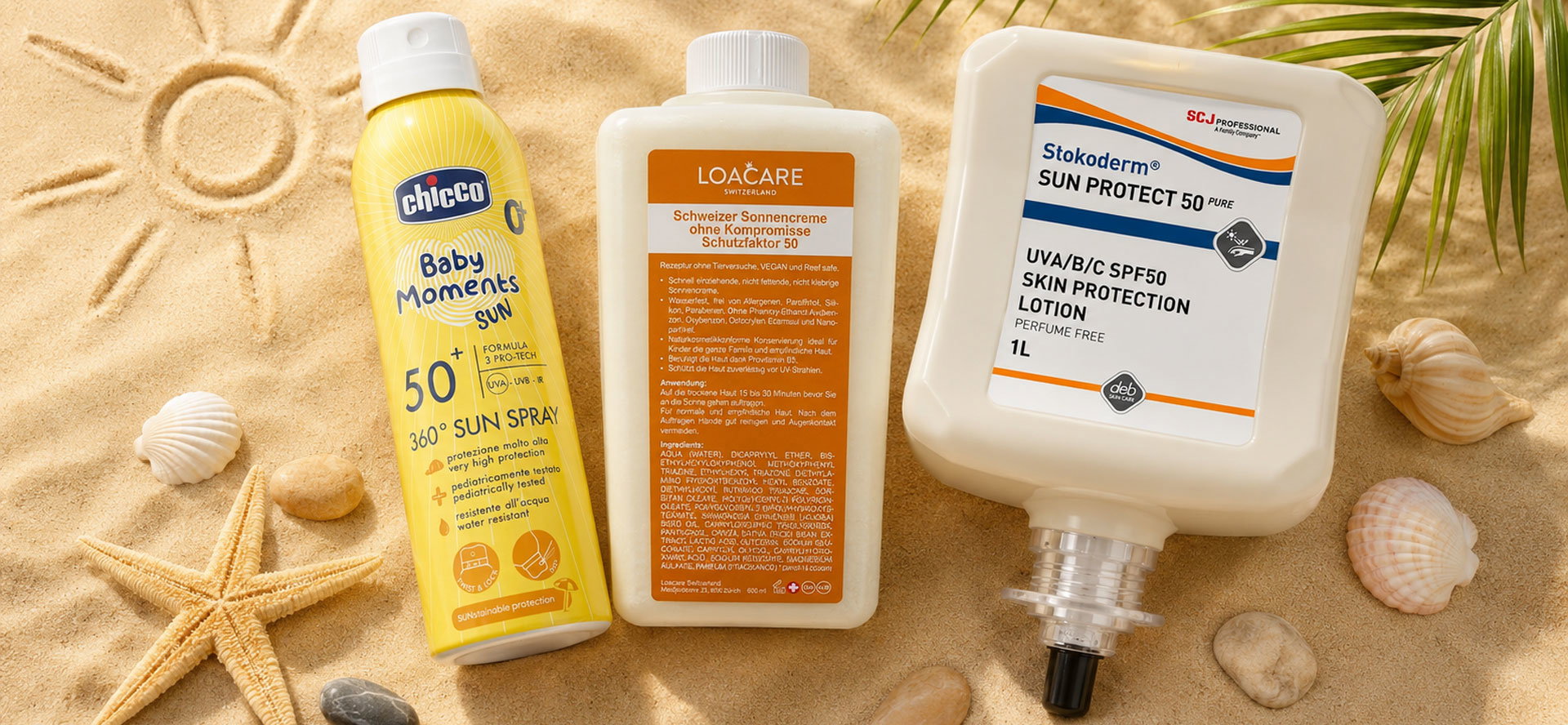
Sun protection is often underestimated. As soon as temperatures rise and the first sunny days arrive, the period of increased UV exposure begins. Many people still mainly associate sunscreen with beach holidays or days at the swimming pool. In reality, however, sun protection plays a much greater role in everyday life, especially for people who regularly work outdoors or spend longer periods of time outside.
The topic is becoming increasingly important, particularly in commercial environments. Facility managers, construction workers, delivery services, catering businesses, schools, sports facilities and public institutions are often exposed to direct sunlight for hours during the warmer months. At the same time, private individuals are also becoming more aware of skin protection and long-term skin health.
For this reason, modern sun protection solutions now go far beyond the classic tube of sunscreen in a beach bag.
Why UV protection is so important
The skin does not forget UV radiation. What makes this particularly problematic is that sun damage is often not immediately visible. Repeated UV exposure can lead in the long term to premature skin ageing, pigmentation changes and, in the worst case, skin cancer.
Many people also underestimate how quickly UV radiation takes effect. Even on slightly cloudy days, a large proportion of UV rays still reaches the skin. Reflective surfaces such as concrete, glass, water or light-coloured façades further increase exposure.
Children and babies react especially sensitively. Their skin is significantly thinner and does not yet have fully developed natural protection against UV radiation.
This is exactly why high-quality sun protection is becoming increasingly important in professional environments as well.
How much sun protection is really necessary?
A common misconception is the assumption that a high sun protection factor automatically means being protected all day long. What matters is not only the SPF value, but above all correct application. Dermatologists recommend applying sunscreen generously and reapplying it regularly, especially after sweating or spending an extended period outdoors.
As a rough guideline for adults: around three to four tablespoons of sunscreen are needed for the entire body. In practice, however, far too little is often used, which massively reduces the actual level of protection.
Timing also plays a role. Sunscreen should not only be applied once you are already in direct sunlight, but ideally 20 to 30 minutes beforehand.
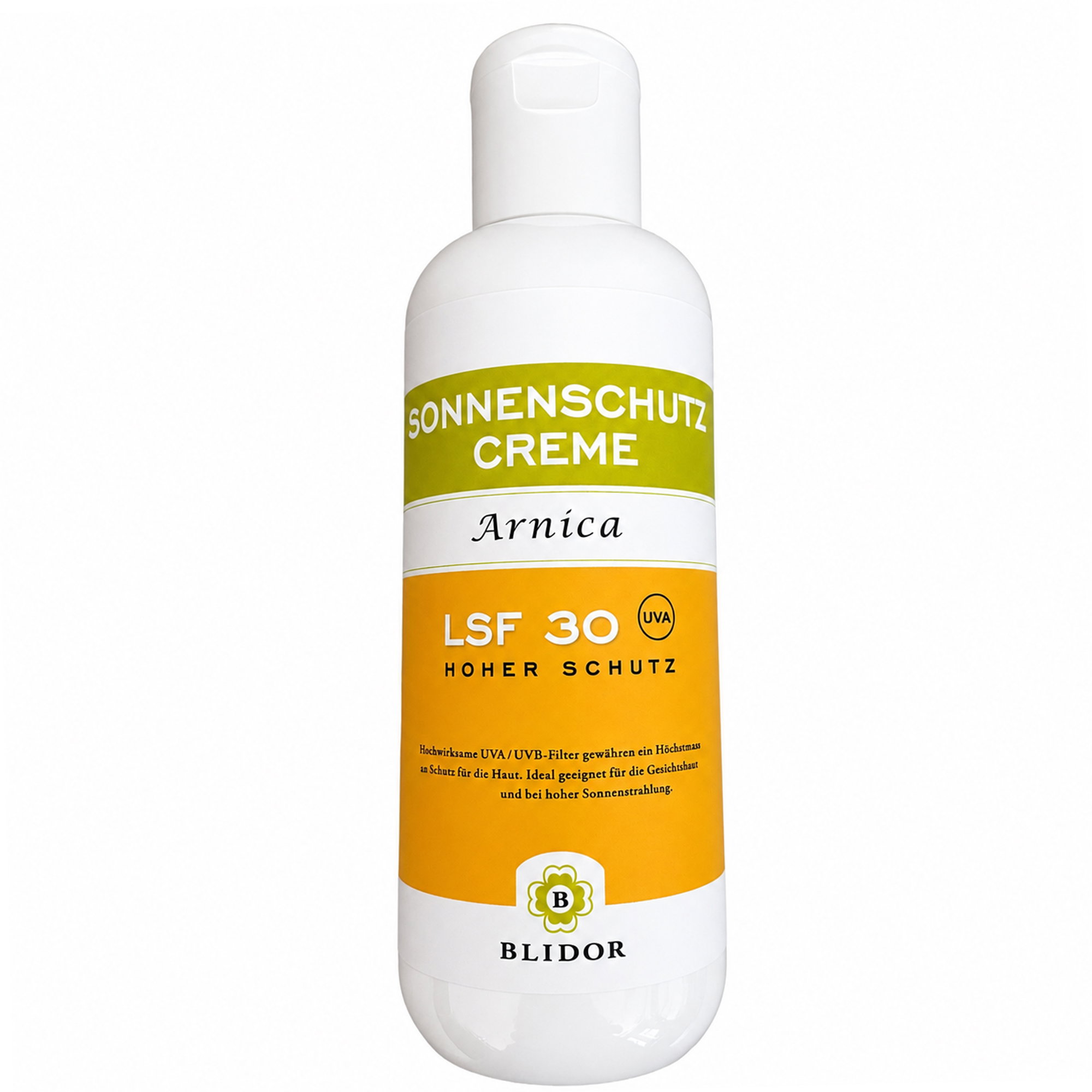
Differences between sunscreens: Not every product is suitable for every application
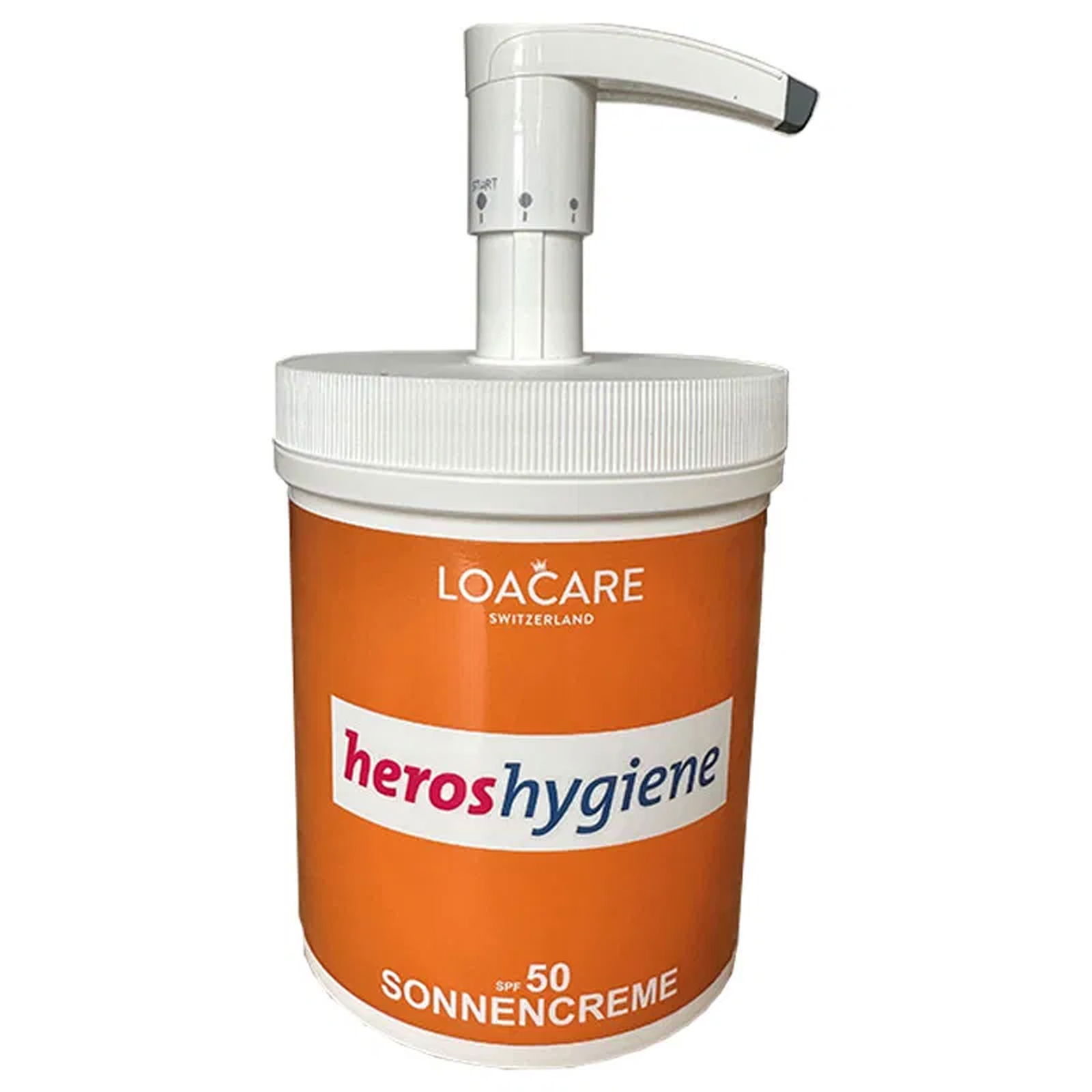
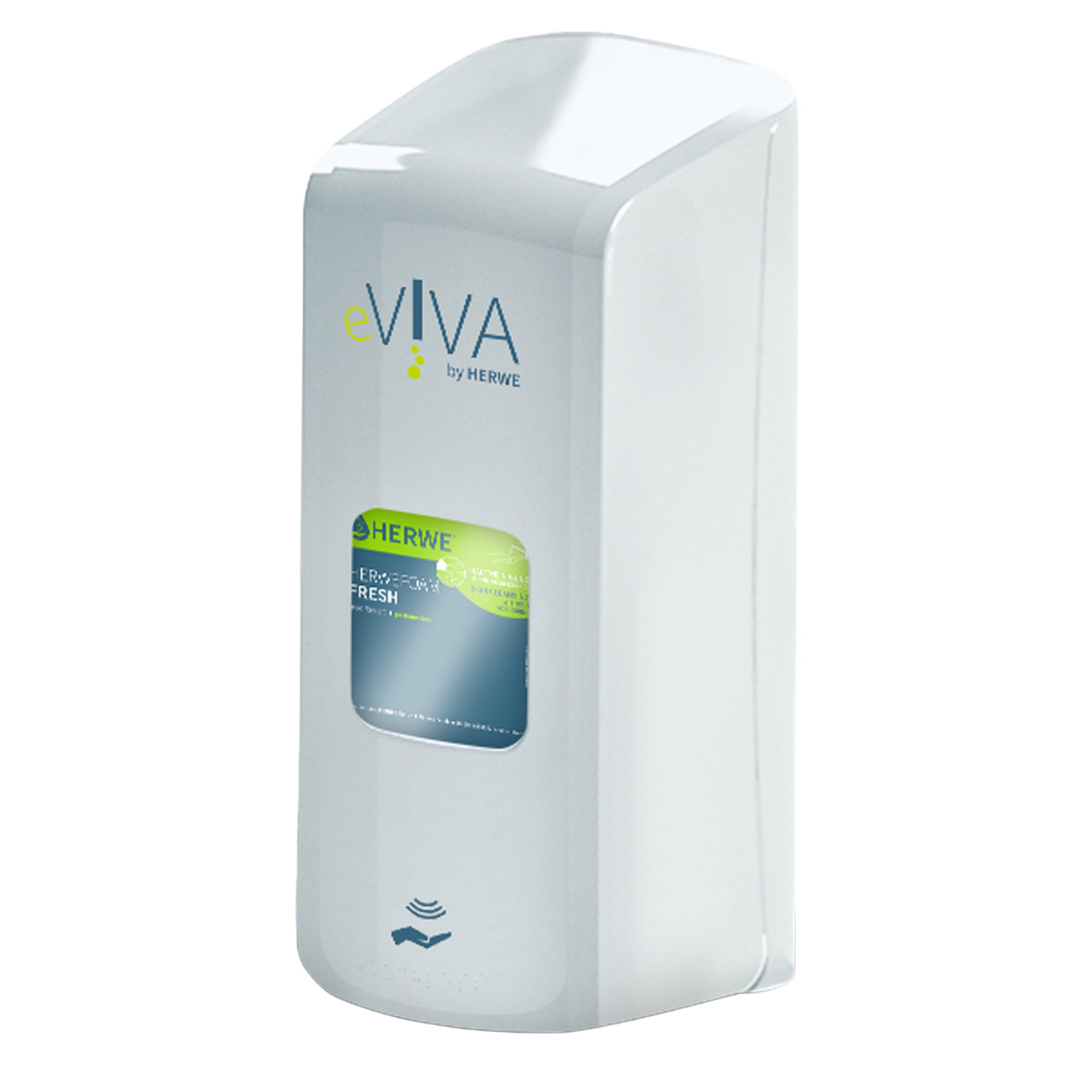
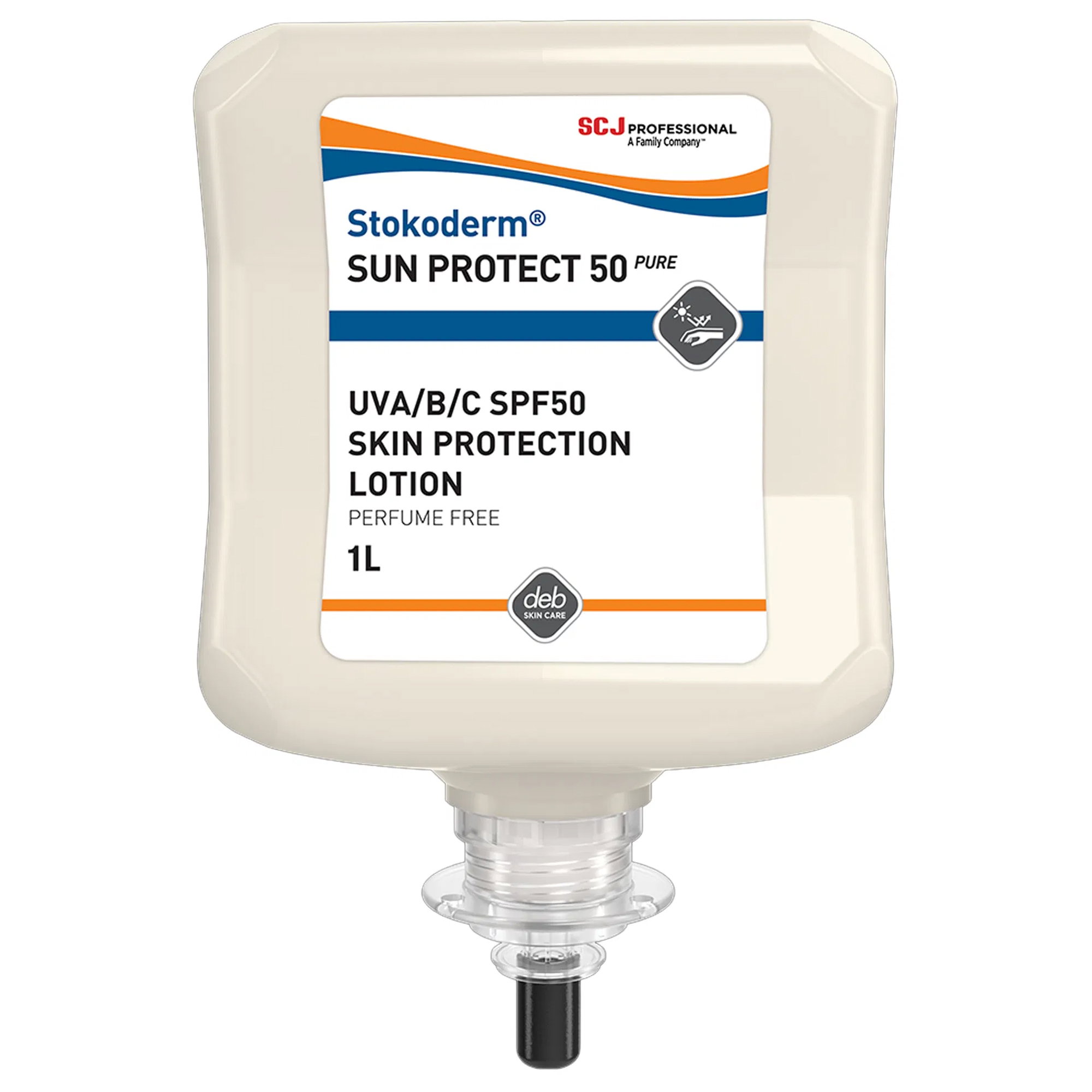
Depending on the intended use, sun protection products differ significantly. In professional settings, large-volume systems are often used, for example 500 ml or 1,000 ml cartridges in suitable dispenser systems.
These are particularly suitable for:
• Companies with outdoor workplaces
• Schools and sports facilities
• Outdoor swimming pools and public institutions
• Construction sites and industry
• Hotels and leisure businesses
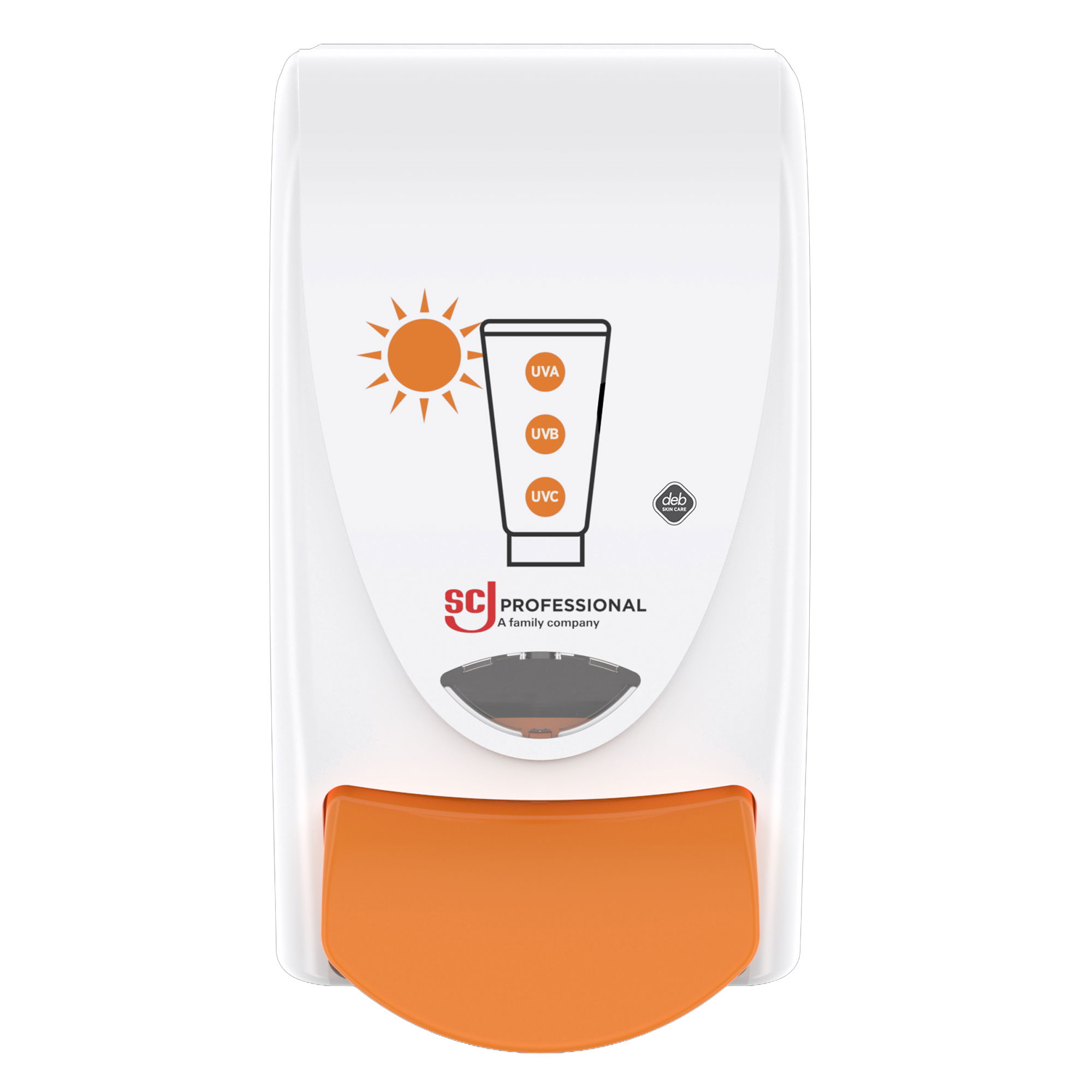
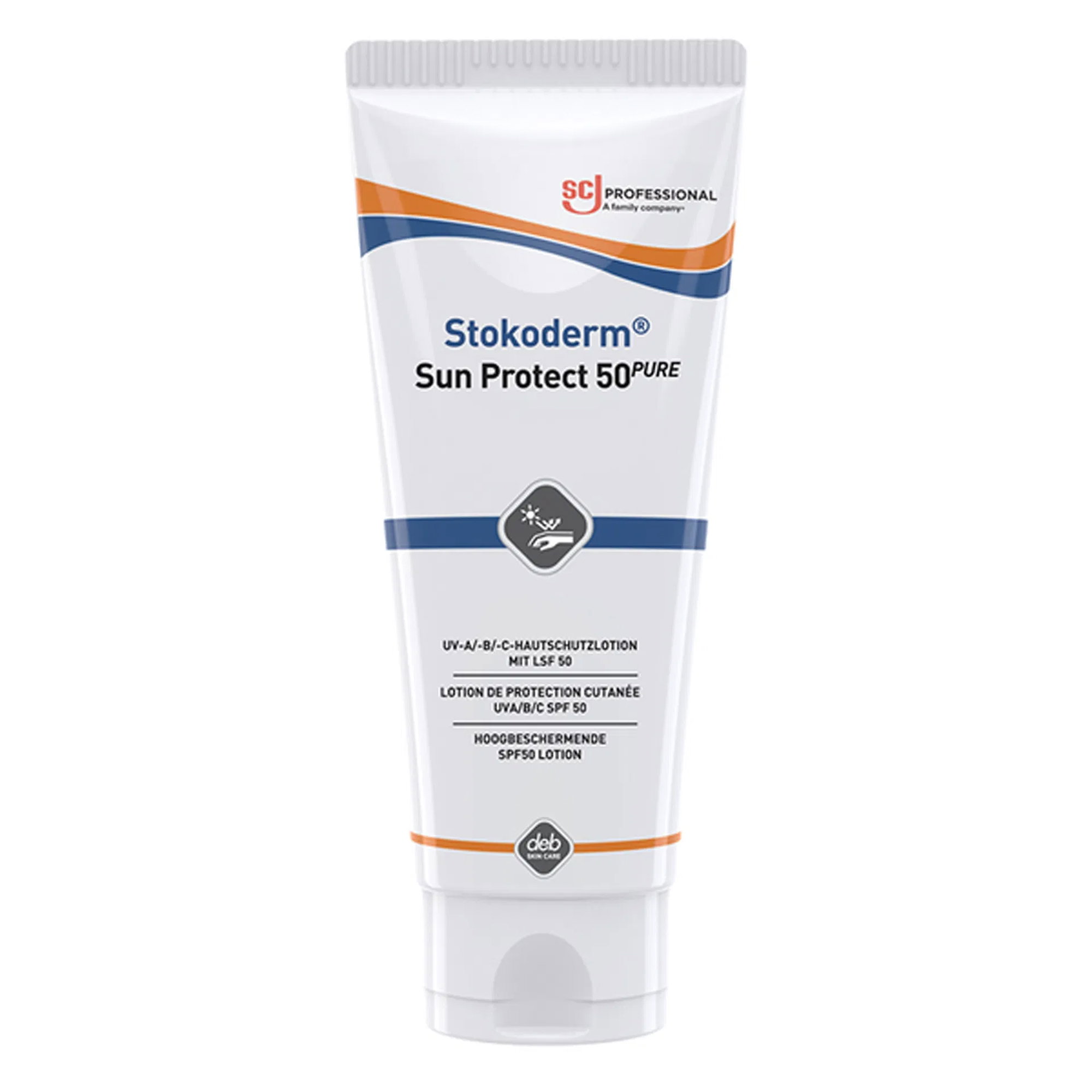
Manufacturers such as SC Johnson Professional use robust and hygienic dispenser systems for high-traffic areas. The systems are designed to enable simple and controlled application while also keeping consumption efficient.
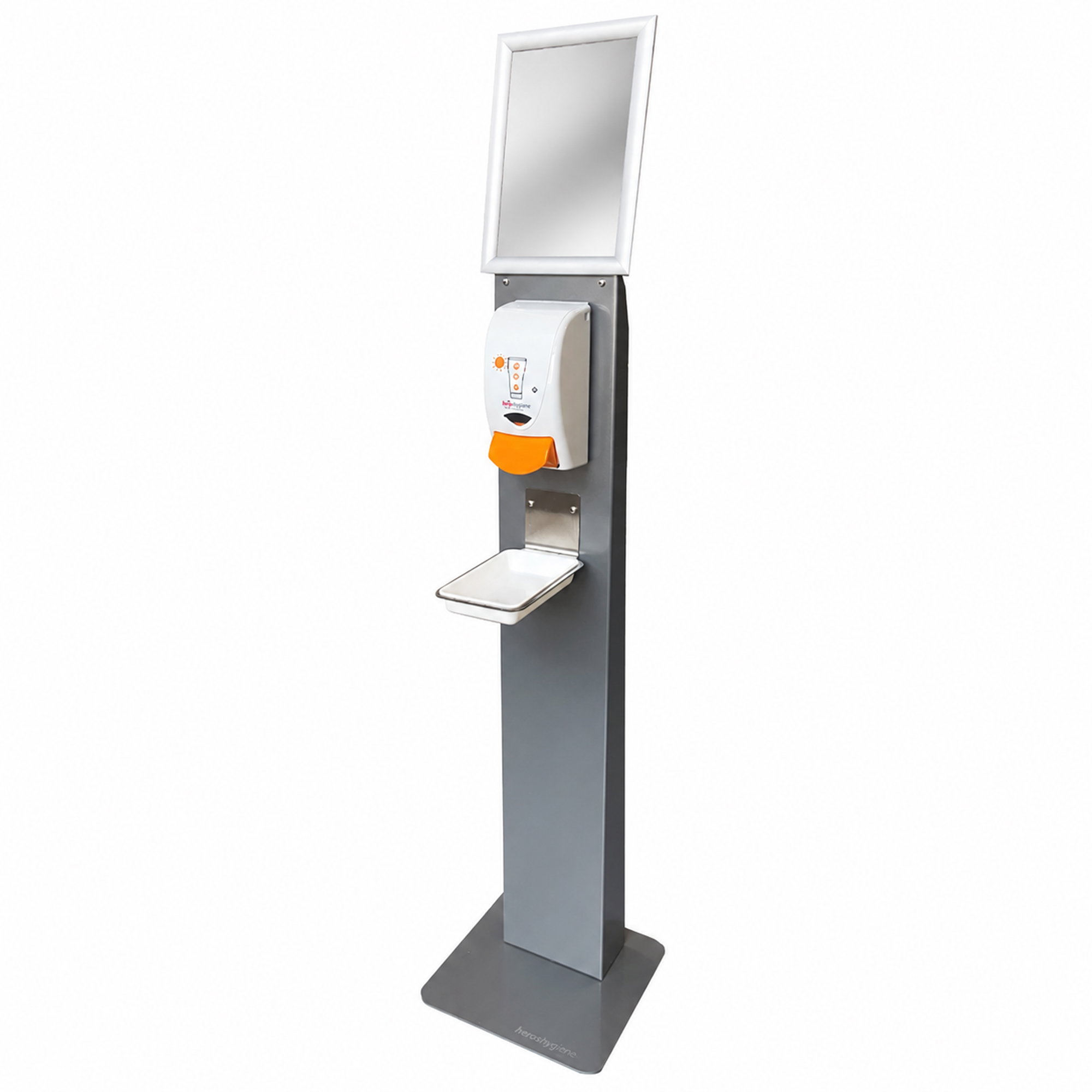
Stationary sunscreen dispensers on stands are particularly practical. They can be positioned flexibly and are ideal for entrance areas, sports fields or public facilities. At the same time, such systems can also be used temporarily or rented seasonally, which is especially interesting for events or municipalities.
Sun protection for babies and children: Stricter requirements apply here
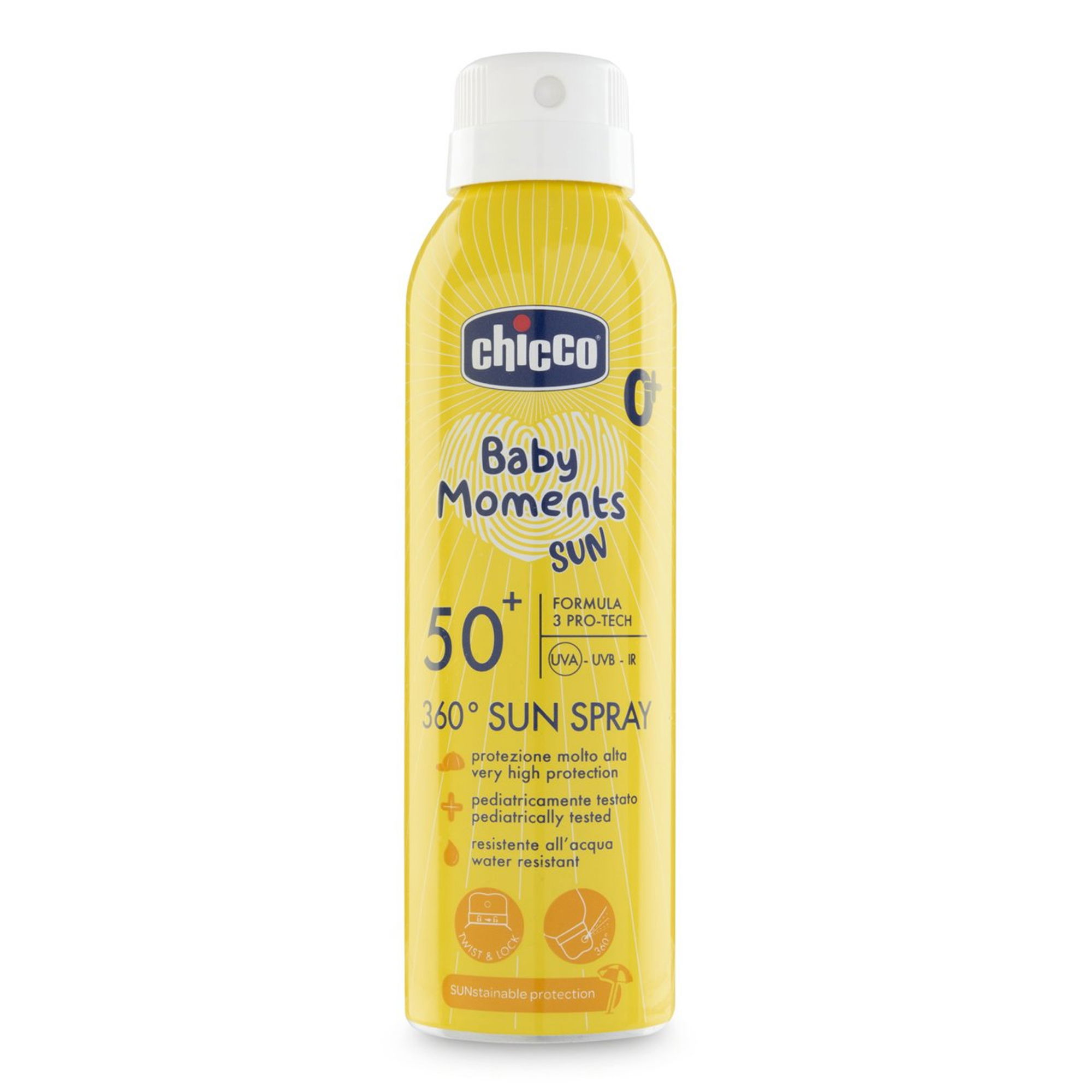
For babies and small children, ordinary sun protection is often not enough. Their skin reacts more sensitively and requires particularly well-tolerated products. Brands such as Chicco offer specially developed sunscreens for babies and children. The focus is on skin-friendly formulations, high tolerability and reliable UVA and UVB protection.
Despite using sunscreen, the following still applies to babies: direct midday sun should be avoided whenever possible. Clothing, shade and head coverings remain the most important protective measures.
Why dispenser systems are becoming increasingly important in everyday life
Companies in particular often face a practical problem: sunscreen is available, but it is not used regularly. Small tubes get lost, are forgotten or are not available where they are needed.
This is where professional dispenser systems make a major difference. When sun protection is visible and easily accessible, actual use increases significantly.
Modern systems offer several advantages: the products remain hygienically protected, dispensing can be controlled, and refill systems reduce waste as well as ongoing costs. At the same time, permanently installed sunscreen dispensers look professional and signal care towards employees, customers and visitors.
Common mistakes when using sun protection
In practice, the same problems appear again and again.
Many people only apply sunscreen once the skin already feels warm or looks red. Others use a high sun protection factor, but apply far too little product. Another common issue: sensitive areas such as the ears, neck, hands or tops of the feet are forgotten.
Another misconception concerns cloudy days. UV radiation remains active even then and can still affect the skin, even when the sun is barely visible. Especially in everyday working life, this often results in continuous UV exposure over many years.
Sunscreen is no longer purely a summer or leisure product. Today, it is part of responsible basic equipment in many areas, both in private life and in professional environments. What matters is not only the quality of the products, but also their availability and ease of use in everyday life. This is exactly why professional dispenser systems, large containers and industry-specific solutions are becoming increasingly important. Those who consistently integrate sun protection not only protect the skin in the long term, but also demonstrate a sense of responsibility towards employees, customers and families.