Spring is window season
After the long, cold winter months, the first thing many people notice in buildings is: the windows look dull, smeared, or covered with pollen and road grime. A thorough spring clean is therefore part of proper care for homes, offices, schools, or commercial premises. Clean windows not only improve the amount of light coming in, but also create a well-maintained impression and convey a positive feeling to the outside.
But window cleaning is more than just water and a cloth. The right processes, tools, and techniques ensure the glass shines streak-free without unnecessary effort or rework.
The right timing and basic preparation
To make spring cleaning a success, it pays to choose the timing carefully. Ideally, you clean windows on a mild, slightly overcast day. Strong sunlight can cause cleaning agents to dry too quickly and leave unsightly streaks. A cloudy spring day or late afternoon is therefore better.
Before you start with water and cleaning agent, remove coarse dirt from the window sill, frame, and glazing using a soft brush or paintbrush. This prevents coarse dirt from being dragged across the pane later and causing new streaks.
Step by step to a streak-free clean
1. The right solution
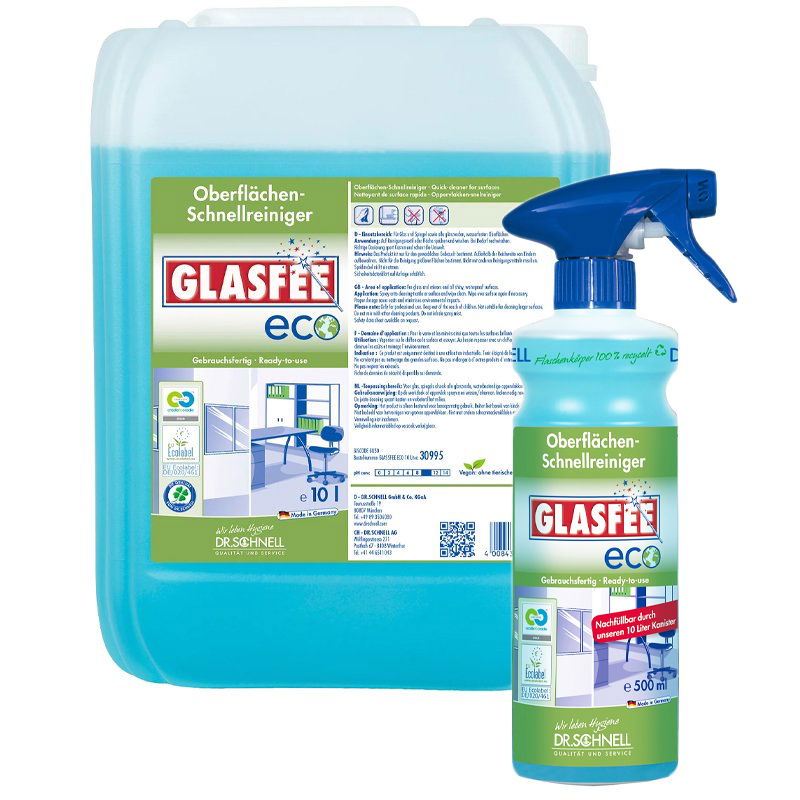
For window cleaning, a mixture of warm water and a little mild dish soap is suitable. This combination effectively removes fine dust, pollen, and greasy residue. In many cases, this solution is sufficient to achieve clean windows. Special glass or window cleaners can be beneficial, especially for stubborn dirt. Make sure they are suitable for your window frames.
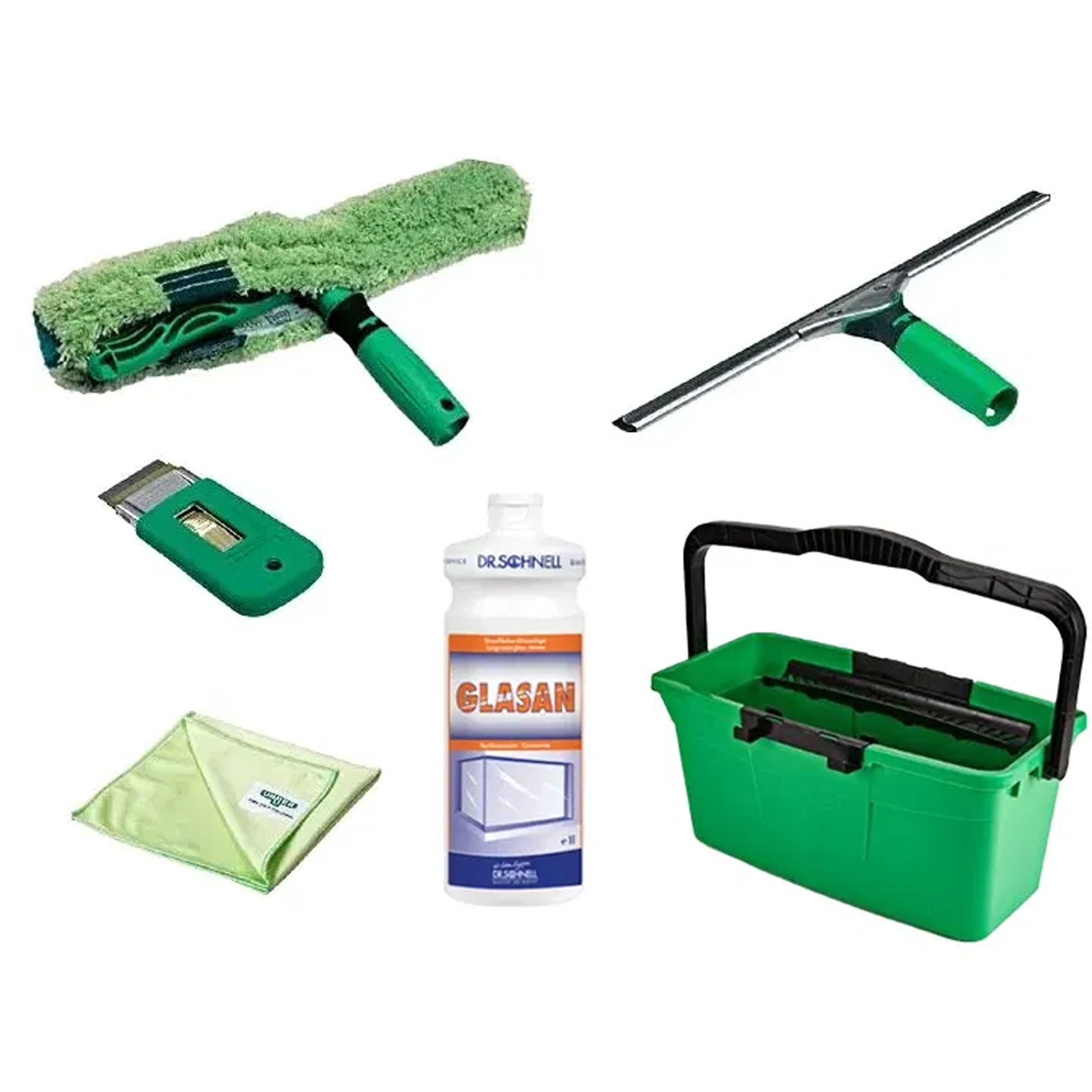
2. Tools for efficient work
Even the best worker is nothing without the right tools. The same applies to glass cleaning.
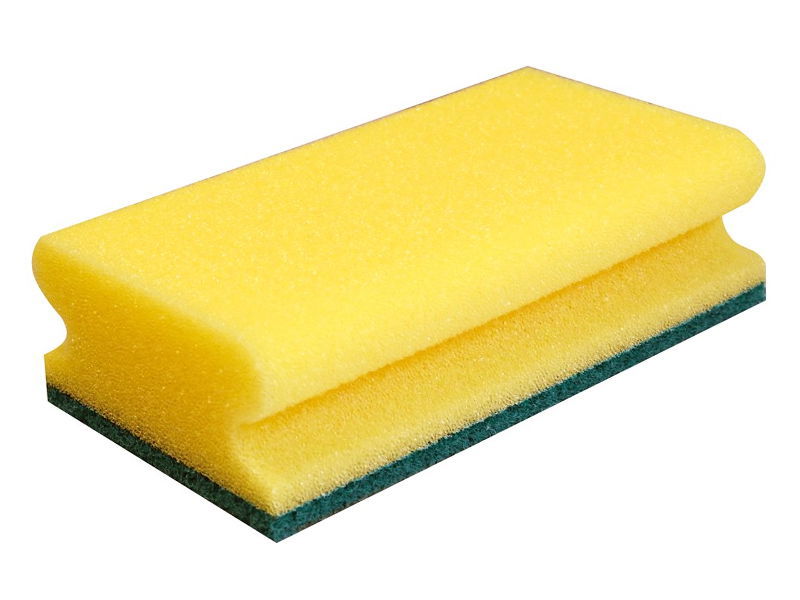
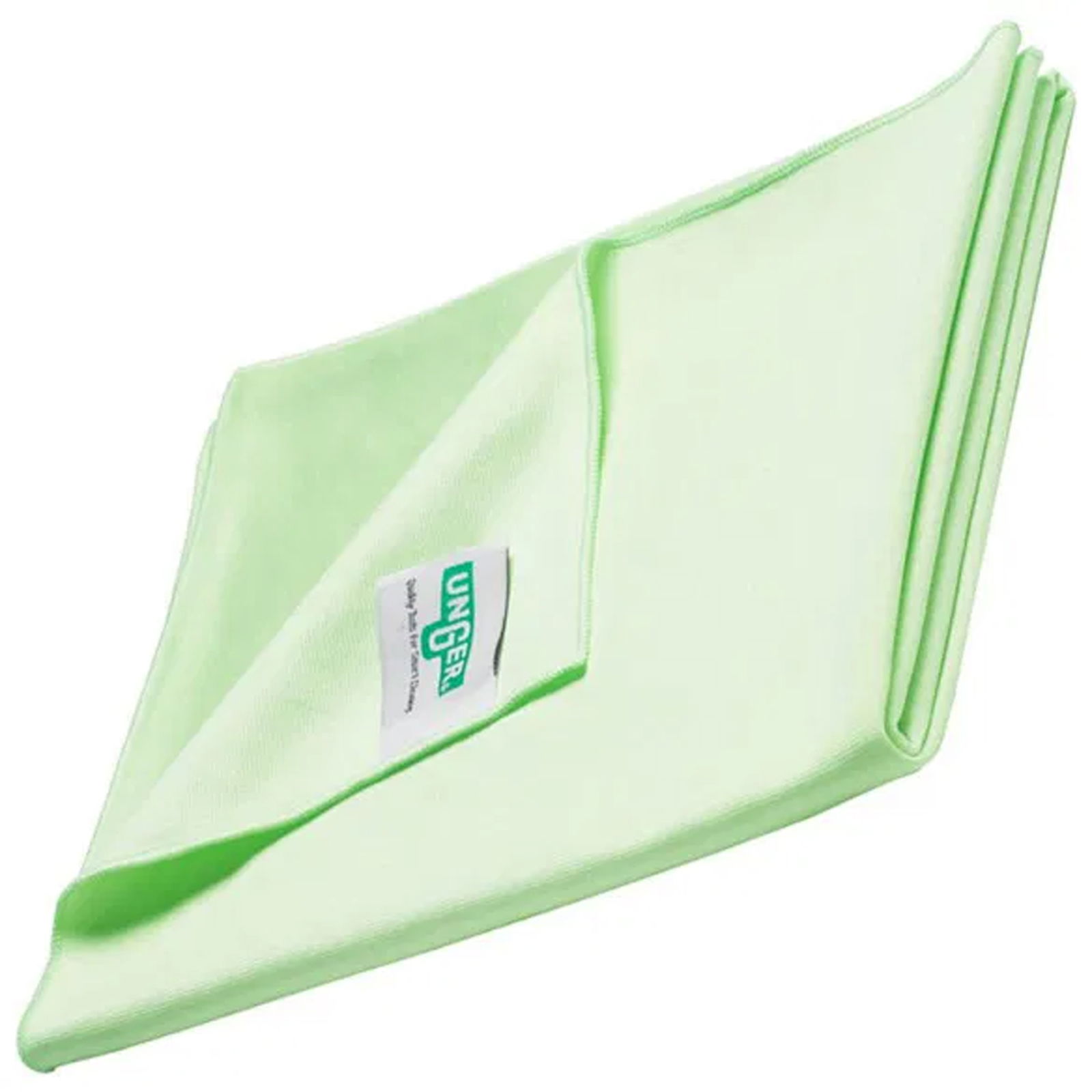
- A small microfiber cloth or sponge to apply the cleaning solution.
- A window squeegee with a rubber blade to remove the water without streaks.
- Optional: a telescopic pole for high windows or hard-to-reach areas.
A squeegee with a clean rubber blade ensures the cleaning water is pulled off evenly, without drip marks and with minimal polishing required.
3. The right technique
The secret to streak-free windows is a systematic motion:
1) Soak the sponge or cloth in the cleaning solution and spread it over the pane.
2) Start at the top left and work downward in even strokes.
3) Use the squeegee from top to bottom and wipe the squeegee blade with a clean cloth after each stroke.
4) Then polish corners and edges with a lint-free cloth.
Avoid common mistakes
Cleaning windows in direct sunlight
Many start spring cleaning when the sun is shining. But direct sunlight dries cleaning agents too quickly, often resulting in unattractive streaks. Choose overcast periods of the day instead.
Too little cleaning solution and incorrect application
For heavily soiled windows, it helps to apply the solution generously and let it sit for a few seconds before squeegeeing. This loosens dirt before it gets spread around.
Not working systematically
If you work in a random pattern, residues and water spots can easily remain. Plan your strokes and work cleanly from top to bottom.
Tips for special cases
High windows and hard-to-reach areas
With a telescopic pole and professional cleaning tools, you can clean even large glass surfaces quickly and safely.
Stubborn soiling
Stubborn dirt, pollen residue, or small animal hairs are often best soaked first before washing off.
Window frames and seals
Don’t forget to clean frames and rubber seals separately and wipe them dry so no new contamination accumulates.
Successful spring cleaning means more than just water and a rag: the right timing, professional tools, and a well-thought-out approach ensure windows are cleaned quickly, efficiently, and without streaks. Whether in commercial spaces, residential buildings, or public facilities, clean windows not only improve light intake but also the overall well-kept appearance. Working systematically and with the right tools also makes it easy to handle larger window areas.