
What is a resuscitation mask?
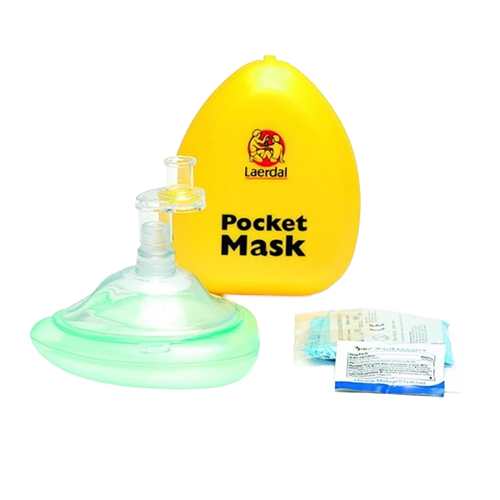
A resuscitation mask is a compact aid used to perform rescue breathing when a person is no longer breathing independently. The mask is placed over the patient's face and seals the mouth and nose area. Air can be blown in through a valve without direct contact with the patient.
Resuscitation masks protect both parties:
• The patient, because the ventilation is more effective and controlled.
• The helper, because there is no direct mouth contact and exposure to saliva, blood, or vomit is reduced.
Resuscitation mask | Effective rescue breathing with protection for helpers and patients
In a medical emergency, such as cardiac arrest, every second counts. Effective ventilation can save lives. But many people hesitate to provide help for hygiene or personal reasons. A resuscitation mask, also known as a pocket mask, allows for safe and hygienic mouth-to-mouth ventilation, both for lay responders and professional emergency personnel.
Who should have a resuscitation mask?
A resuscitation mask belongs in every well-equipped first aid kit, especially for:
• Private individuals with first aid training
• Emergency services, firefighters, police
• Emergency physicians and nursing staff
• Sports clubs, schools, kindergartens
• Workplace first responders and security personnel
• Travel and outdoor gear
It should also be part of any emergency kit in cars, during travel, or at events. Most masks are compact, lightweight, and ready to use immediately.
What is the difference between a resuscitation mask and a pocket mask?
The terms are often used interchangeably but refer to slightly different designs:
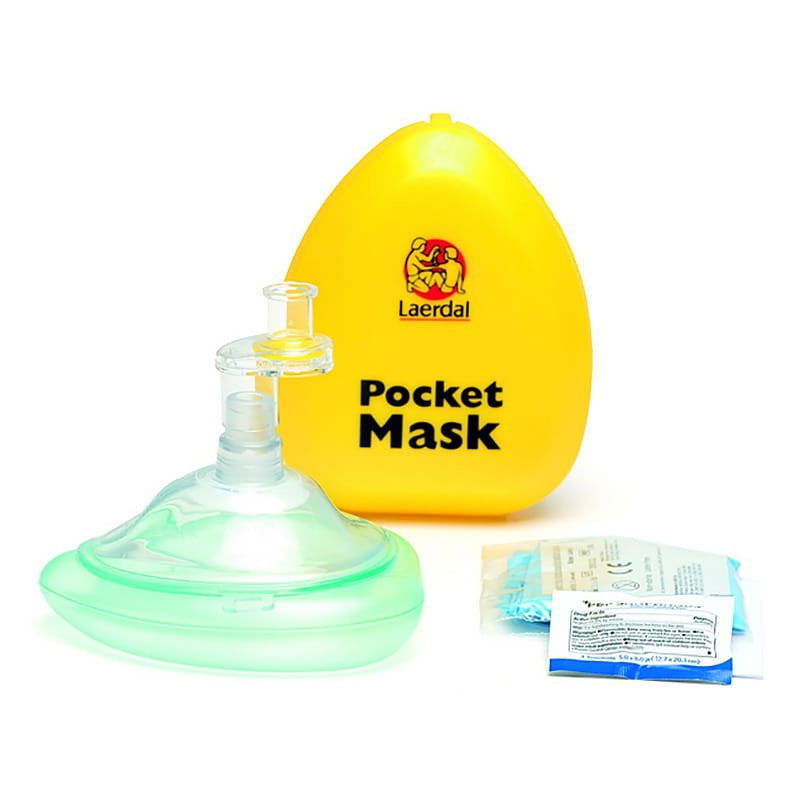
• Pocket mask: A higher-quality version with a rigid silicone mask, one-way valve, and often an O2 port. Suitable for both laypeople and professionals.
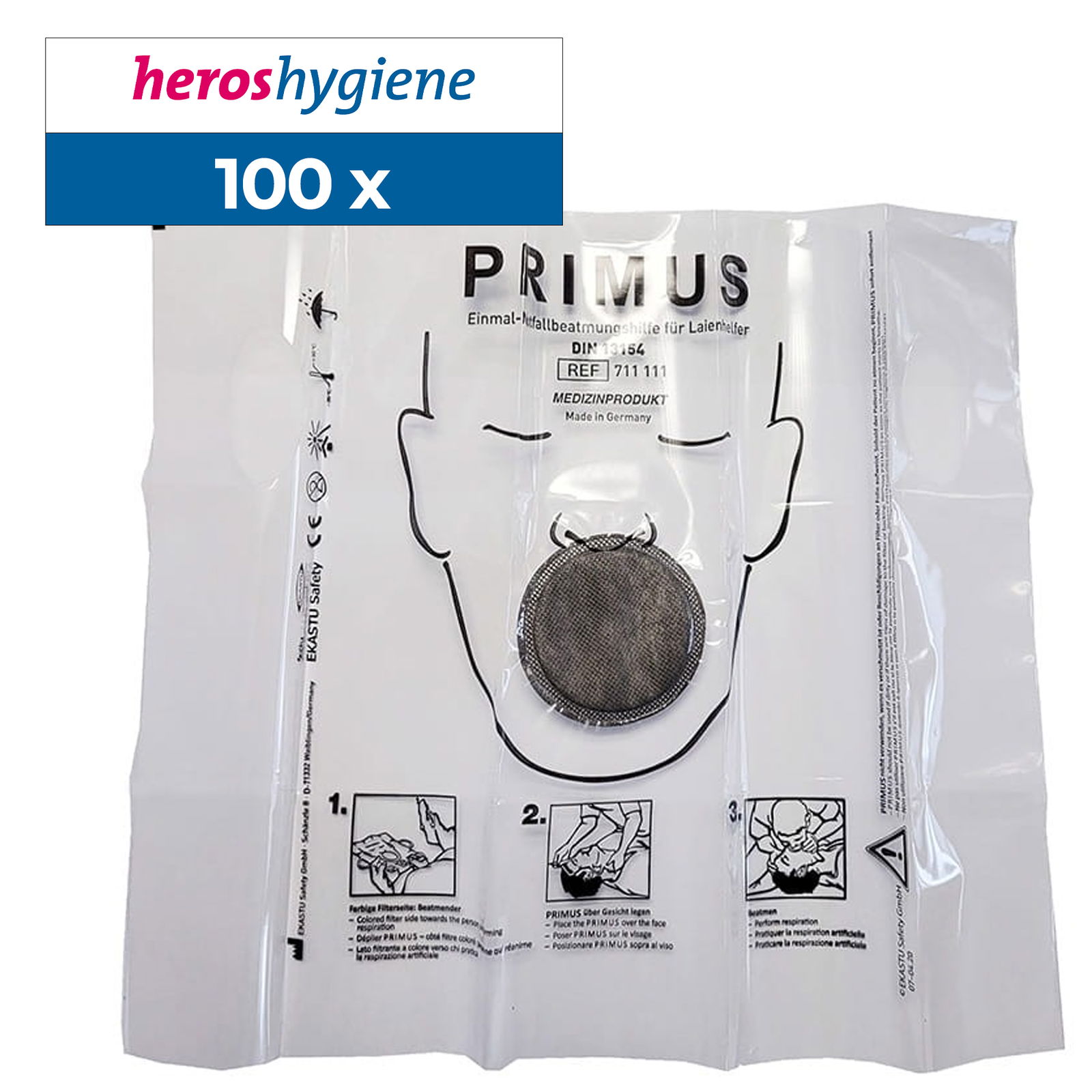
• Resuscitation mask: Ultra-compact version, usually a disposable product with an integrated one-way valve. Very useful in emergencies, but less robust.
In any case: better to use a simple resuscitation barrier than provide no ventilation at all. Every bit of help counts in an emergency.
How does a resuscitation mask work?
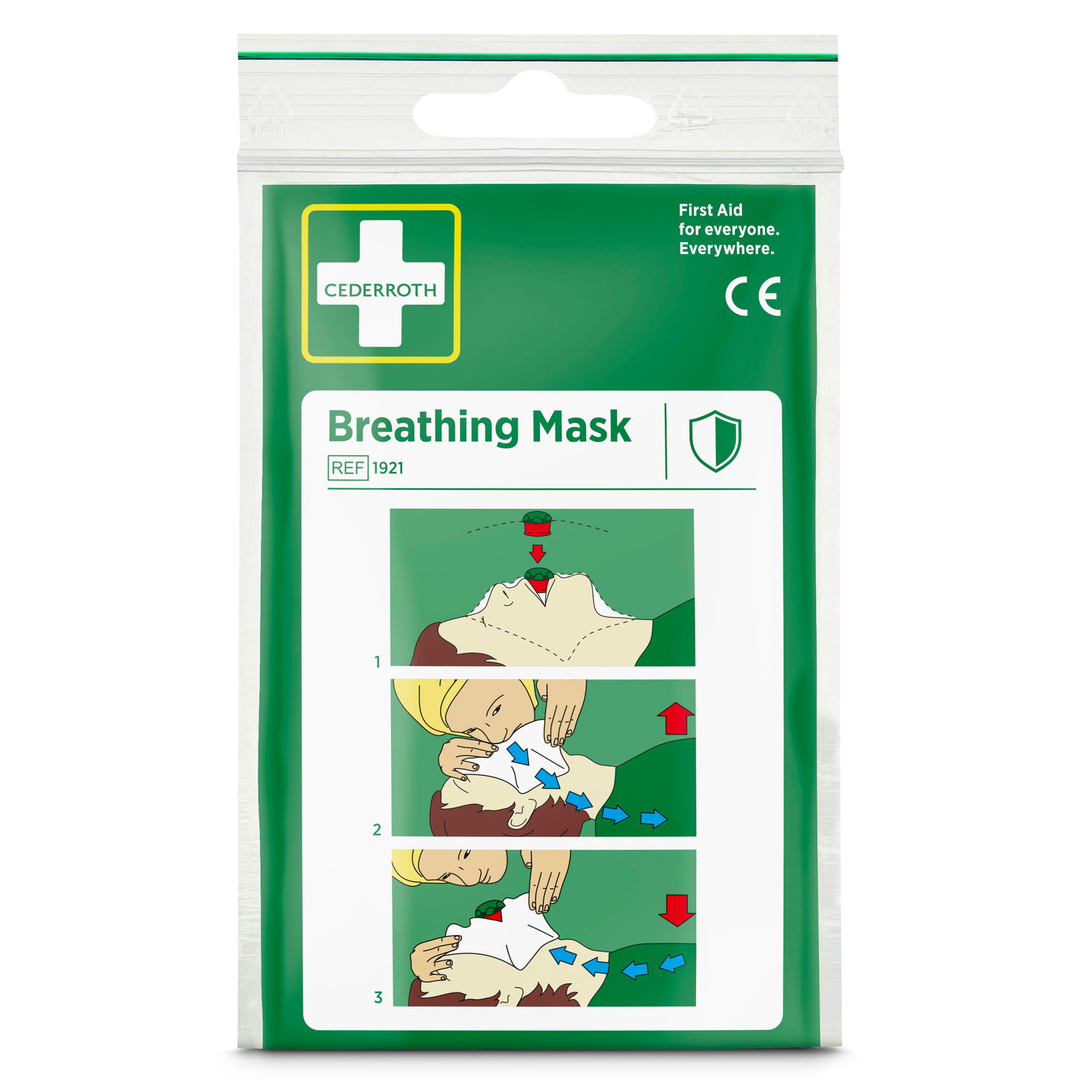
The handling is simple and can be performed by laypeople in just a few steps:
- Remove the mask from its case
- Place it over the patient’s face, covering both nose and mouth completely
- Press down with both hands to create a tight seal
- Blow air through the one-way valve – typically 2 breaths alternating with chest compressions, depending on training
- Watch for chest rise
Pocket masks with oxygen connectors also allow for supplemental oxygen delivery, e.g., from emergency kits or ventilation devices.
What are the advantages of a resuscitation mask?
✅ Protection for both helper and patient
✅ Avoids direct mouth-to-mouth contact
✅ Easy to use by first responders
✅ One-way valve prevents rebreathing
✅ Compatible with O2 connection (for certain pocket masks)
✅ Compact & ideal for any emergency kit
What to consider when buying a resuscitation mask
One-way valve
Disposable valves prevent the return of air, fluids, or pathogens. Strongly recommended for safe use.
Mask shape and material
Flexible silicone masks adapt well to the face and are reusable (after disinfection). Disposable plastic masks are lighter but less durable.
Packaging
High-quality pocket masks come in a hard case or box. Disposable barriers usually come in plastic sleeves.
O2 connection
Professional masks offer an oxygen port – especially relevant for EMTs or medical offices.
Hygiene and storage
Sterile single packaging or disinfectable masks with replaceable valves ensure safe reuse.
Safety and hygiene when using a resuscitation mask
• Wear gloves if possible
• Disinfect or replace the mask after each use
• Use each valve only once – do not reuse
• For reusable masks: order replacement valves
• Store in a dry, dust-free place – e.g., in a first aid kit or emergency bag
FAQ | Frequently asked questions about resuscitation masks
Why should I have a resuscitation mask in my first aid kit?
It protects you from direct contact with saliva, blood, or vomit and makes ventilation more hygienic and easier.
What’s the difference between a pocket mask and a resuscitation mask?
Pocket masks are more robust, reusable, and often have an oxygen port. Disposable masks are more affordable, compact, and ideal for mobile emergencies.
Can anyone use a resuscitation mask?
Yes. Even laypersons can use them safely after brief instruction or with first aid knowledge.
How should I store a resuscitation mask?
Cool, dry, and dust-free. A storage case or first aid kit is ideal. Disposable models should remain sealed until use.
How often can I use a resuscitation mask?
Disposable masks are for one-time use only. Reusable pocket masks with replaceable valves can be used multiple times if properly disinfected.
Are there resuscitation masks for children?
Yes. Some models are available in different sizes. Look for products marked “pediatric” or masks that suit both adults and children.
Buy resuscitation masks online
In the Swiss online shop of Heros Hygiene, you’ll find a targeted selection of resuscitation and pocket masks – suitable for laypeople, professionals, and organizations:
✅ Disposable masks with one-way valve for first aid
✅ Pocket masks with O2 connection for medical personnel
✅ Reusable models with silicone cushion
✅ Hygienically packaged and ready for use
✅ Accessories such as emergency backpacks, first aid stations, first aid kits, disinfectants, and disposable gloves
Our resuscitation masks comply with common standards and provide the protection you need in emergencies.