
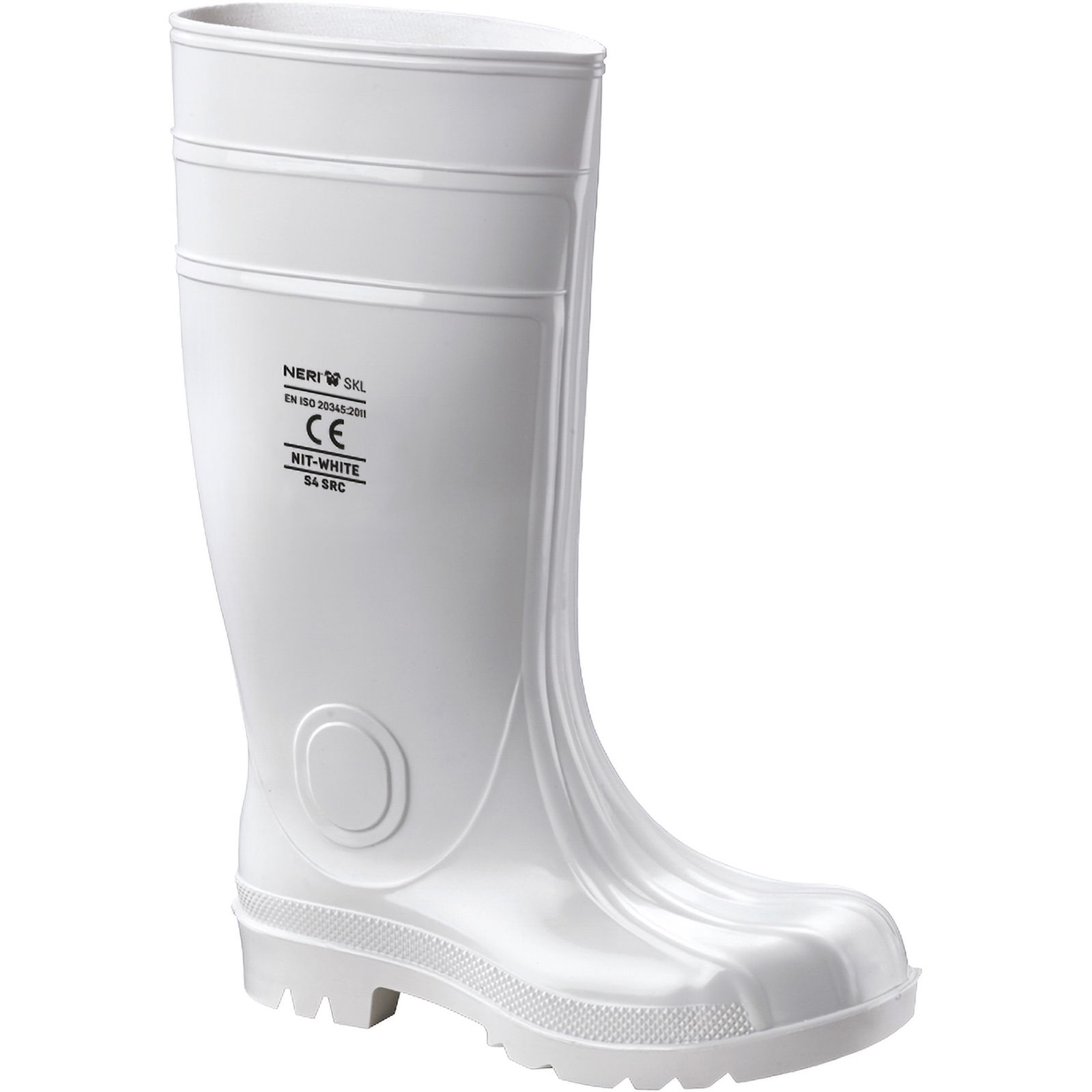
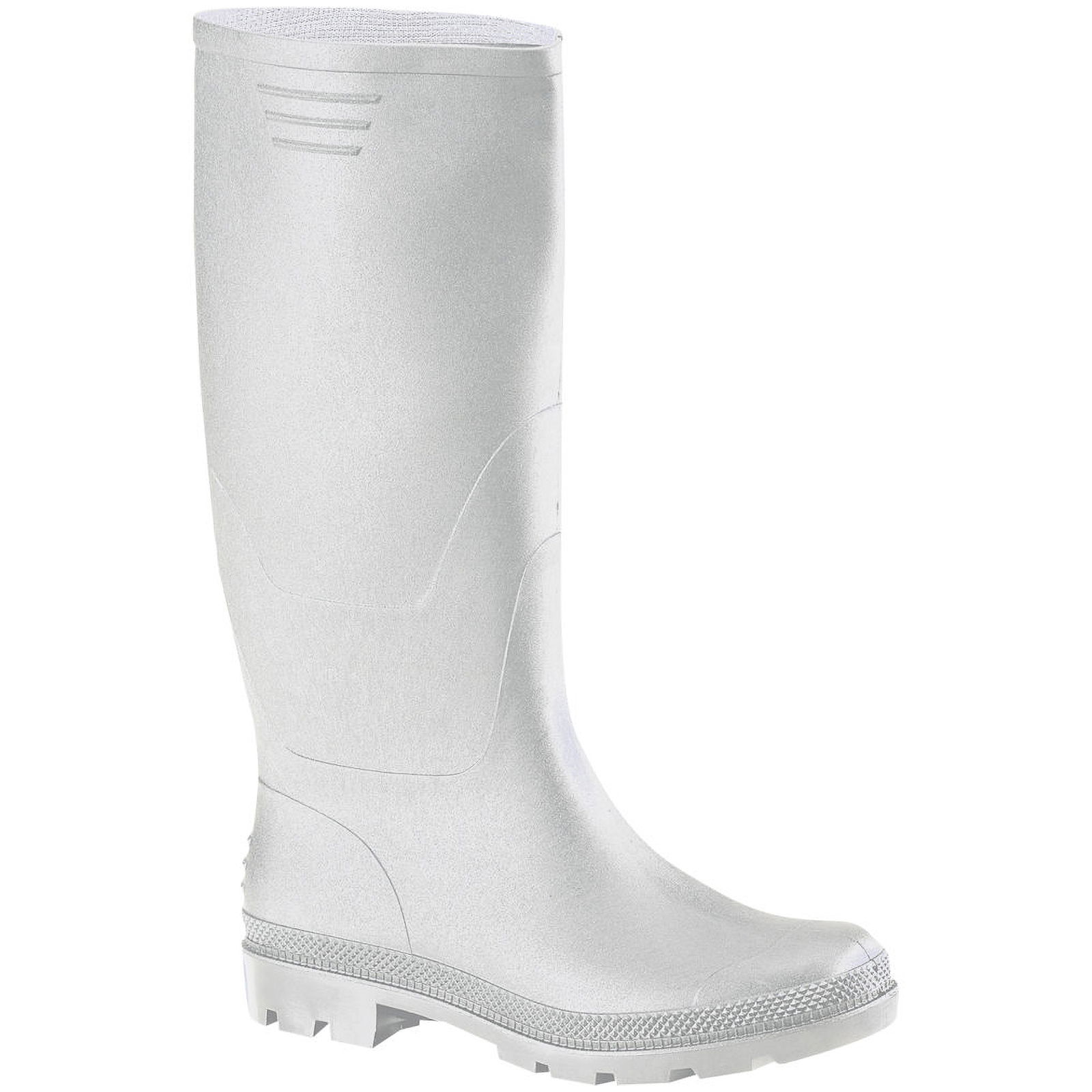
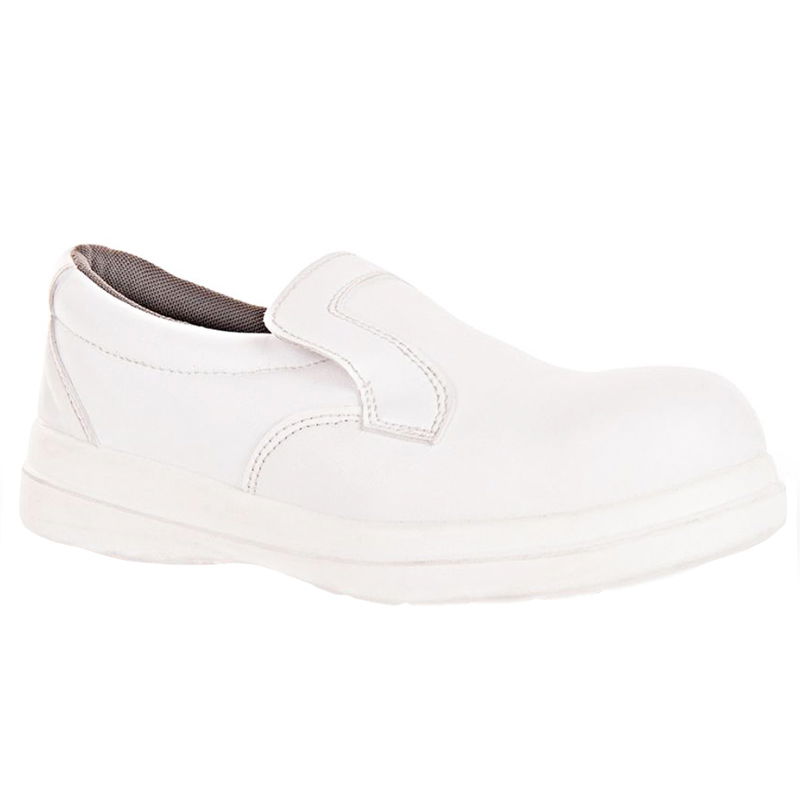
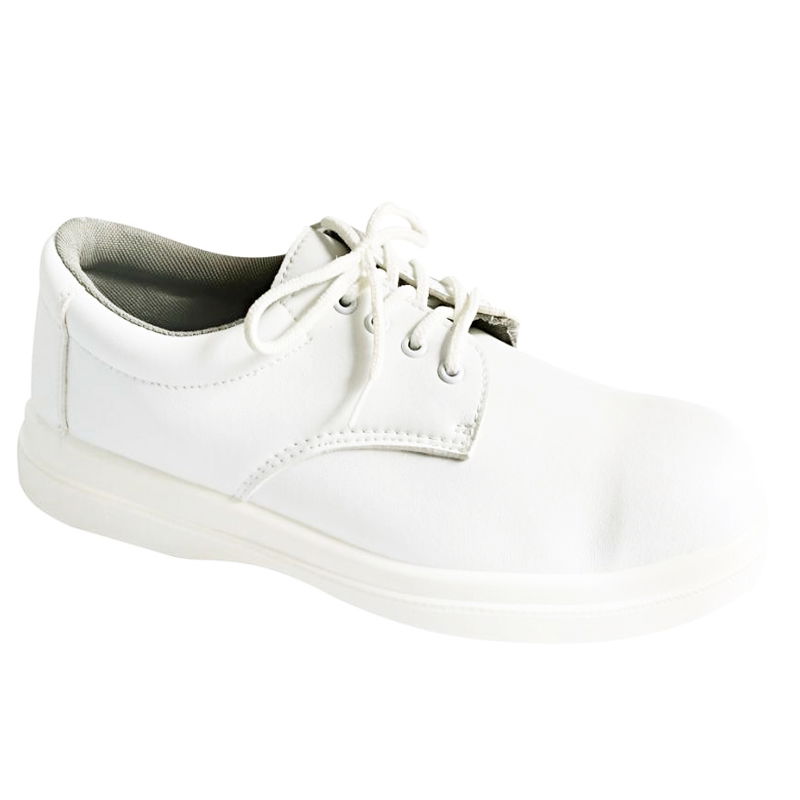
Safety boots S4 | NERI NIT-WHITE | PVC & nitrile rubber
Content: 1 pair
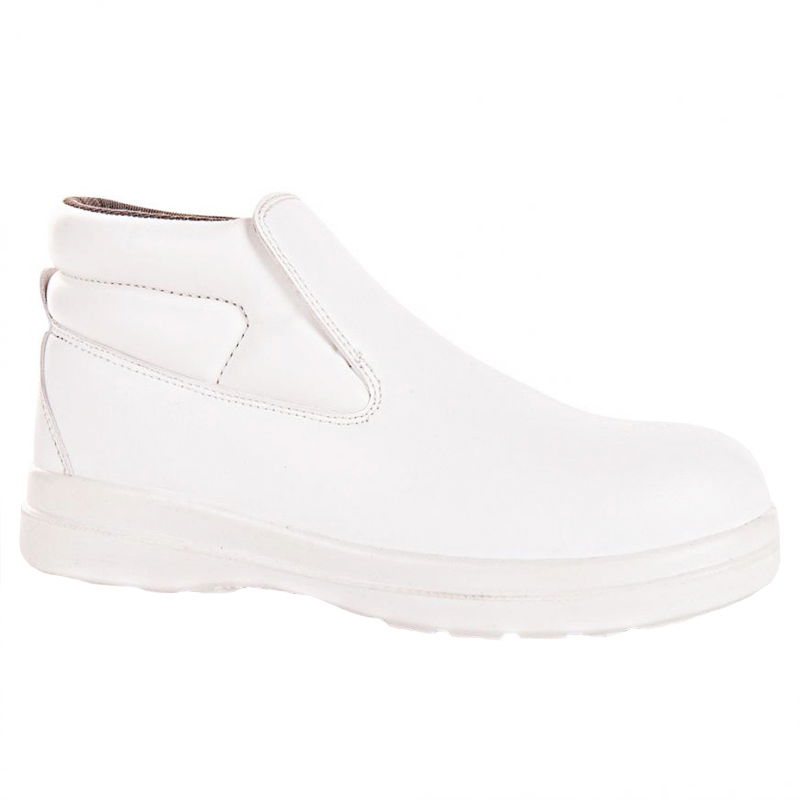
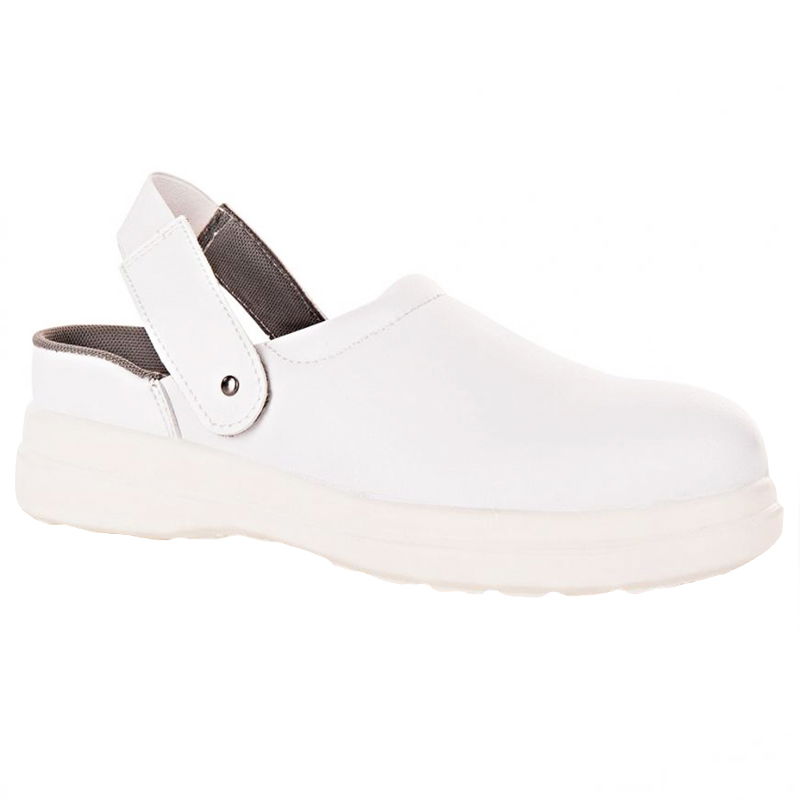
Safety shoes slip-on half-high with protective toe cap
Content: 1 pair
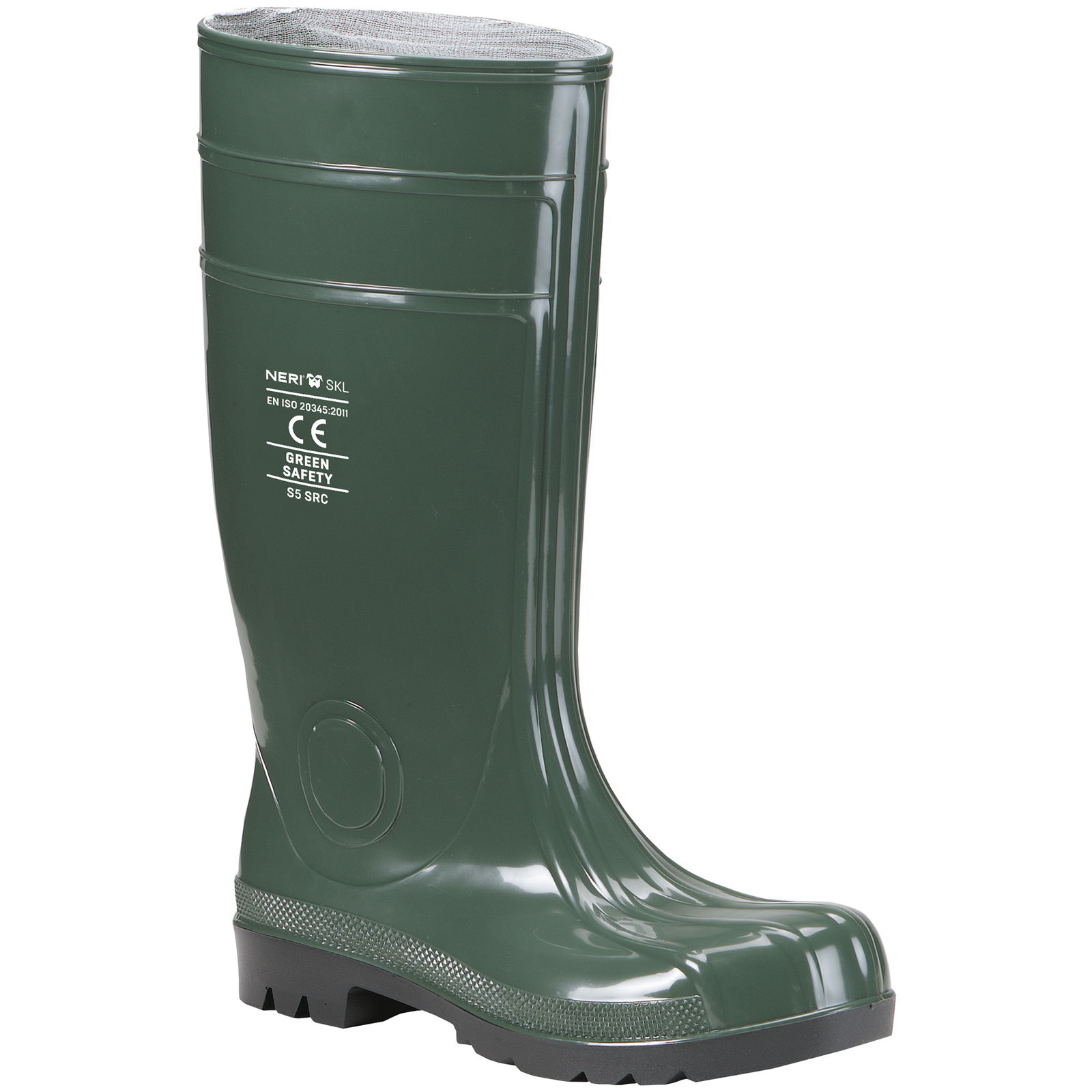
Safety boots S5 | NERI GREEN SAFETY S5 SRC | PVC & nitrile rubber
Content: 1 pair
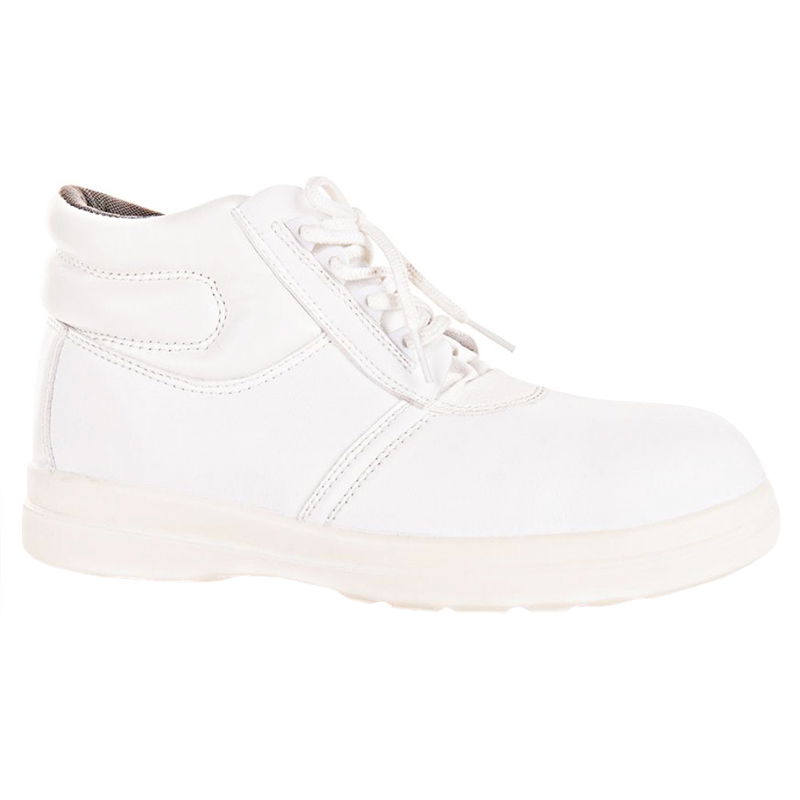
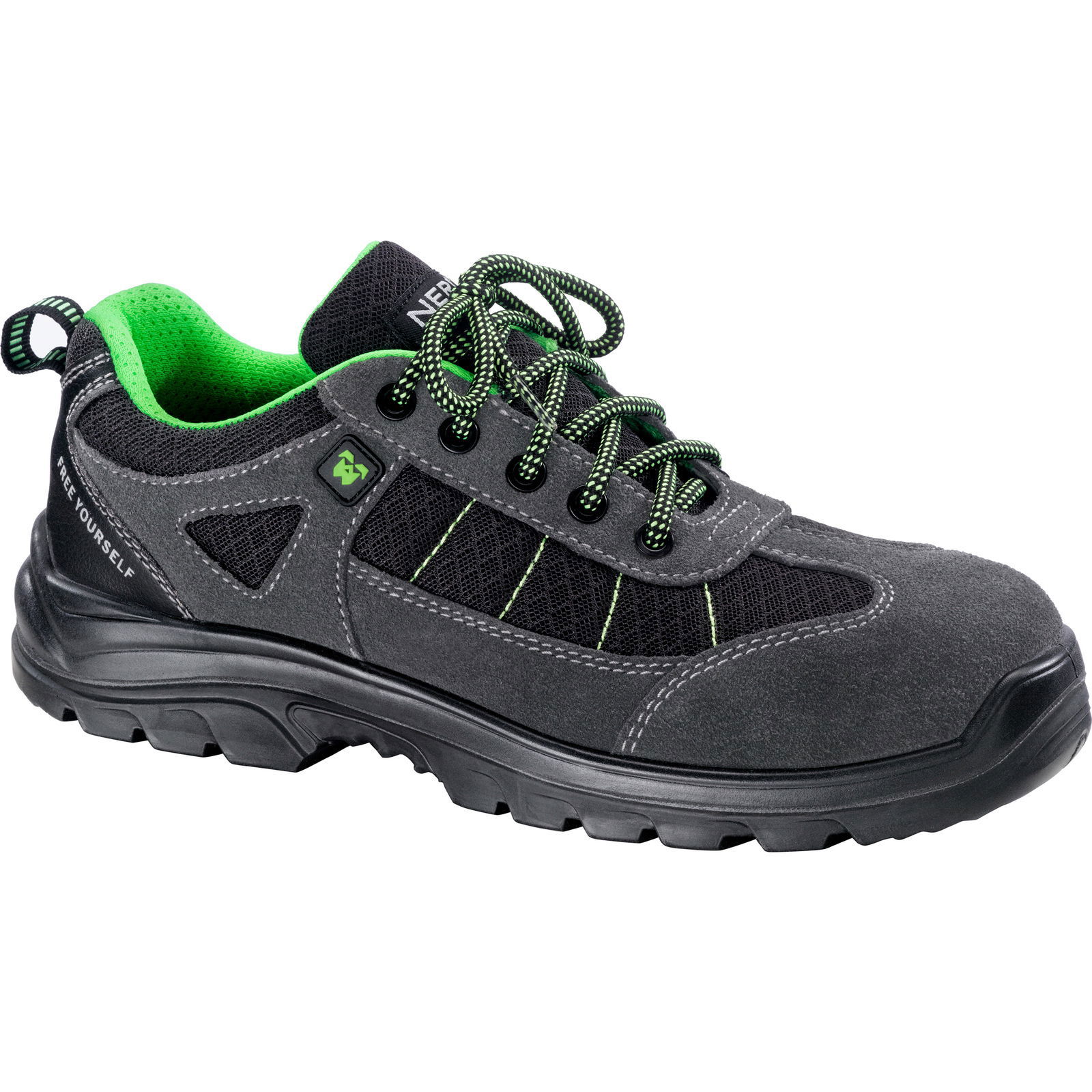
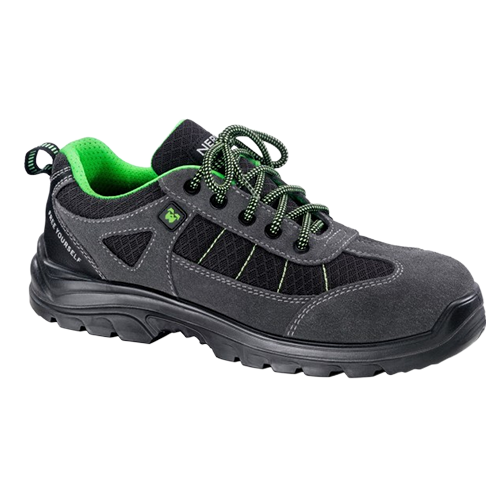
Safety shoes S1P | NERI TOPGEAR S1P SRC | Suede split leather
Content: 1 pair

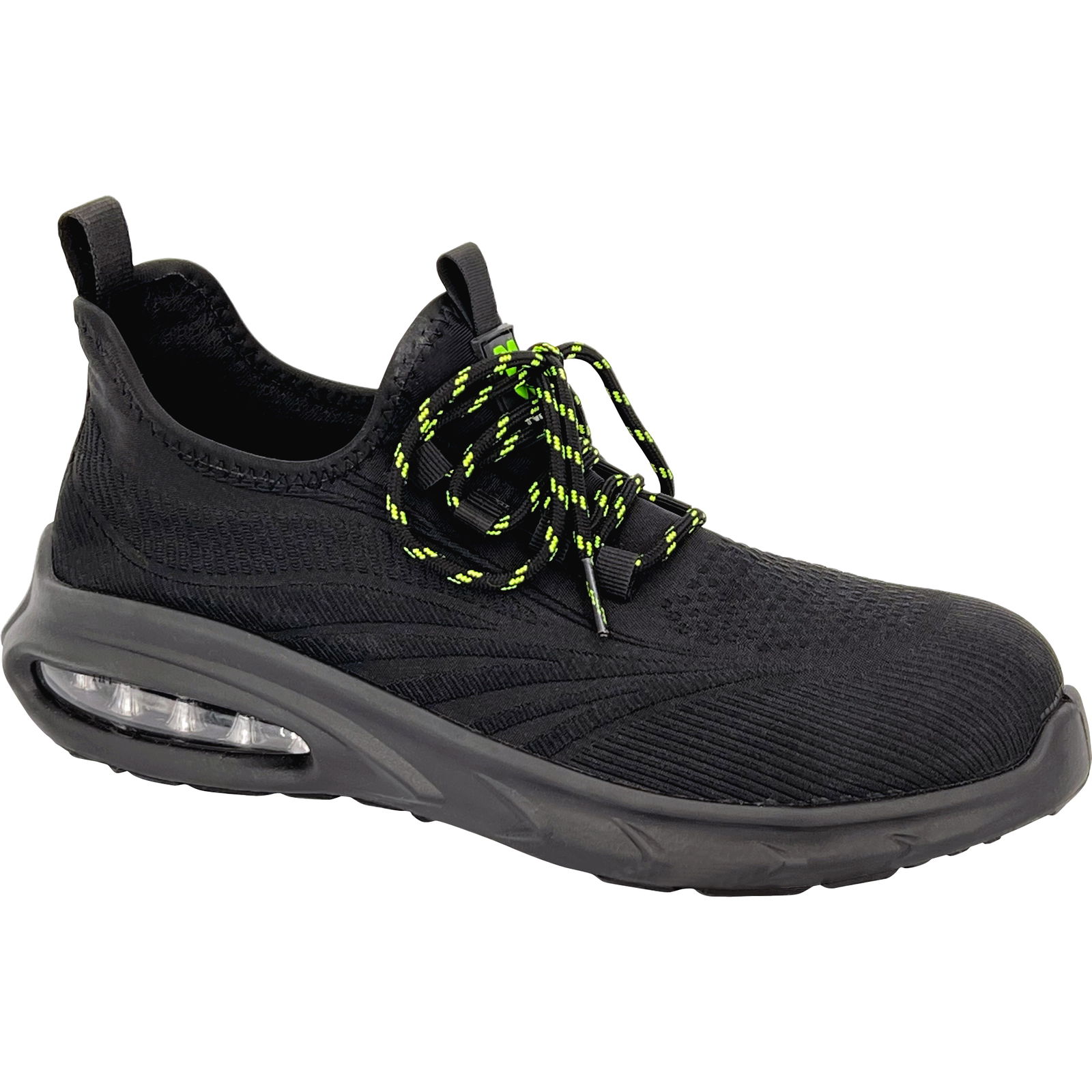
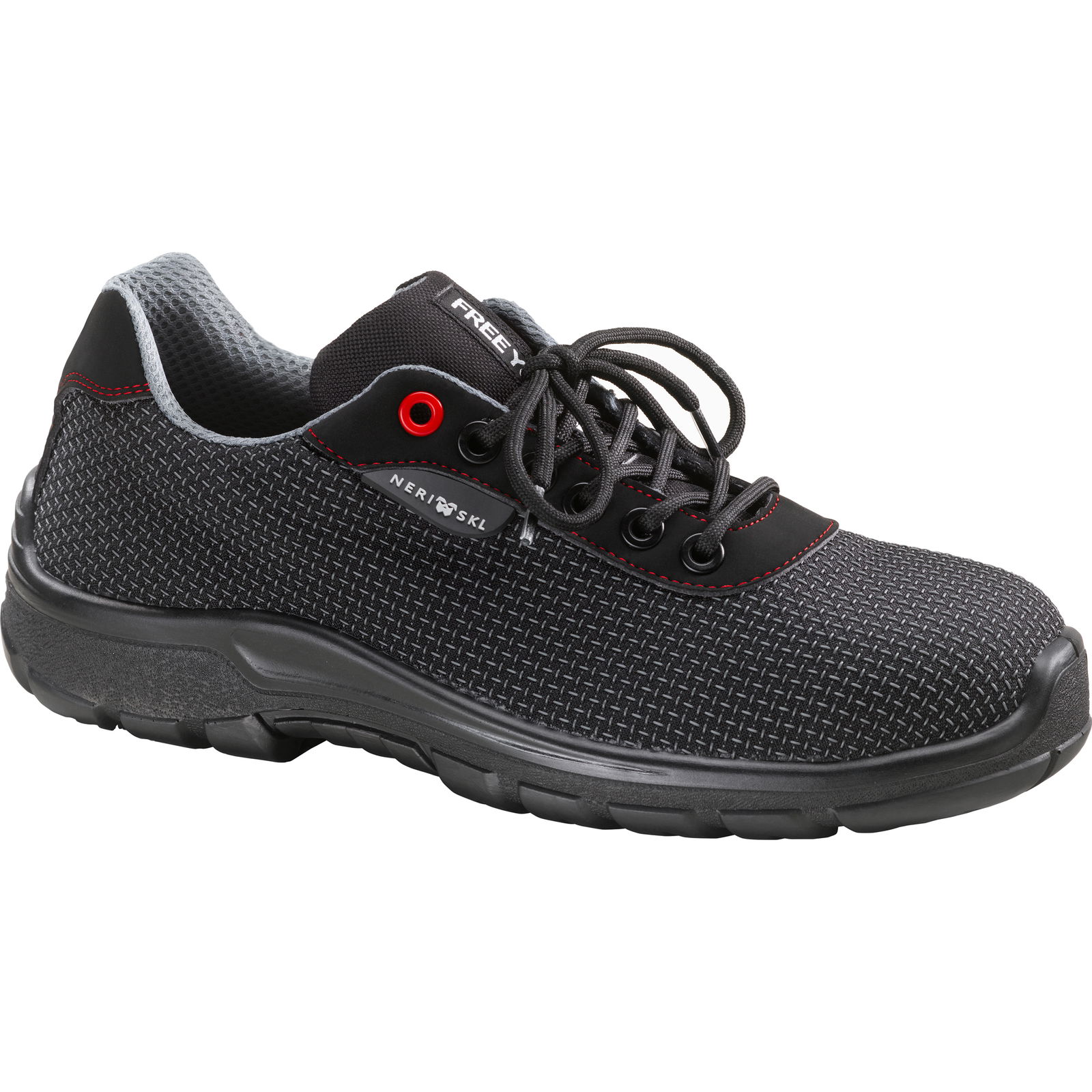
Safety shoe S1PL | NERI RUSH-998 S1 PL FO SR | technical fine knit
Content: 1 pair
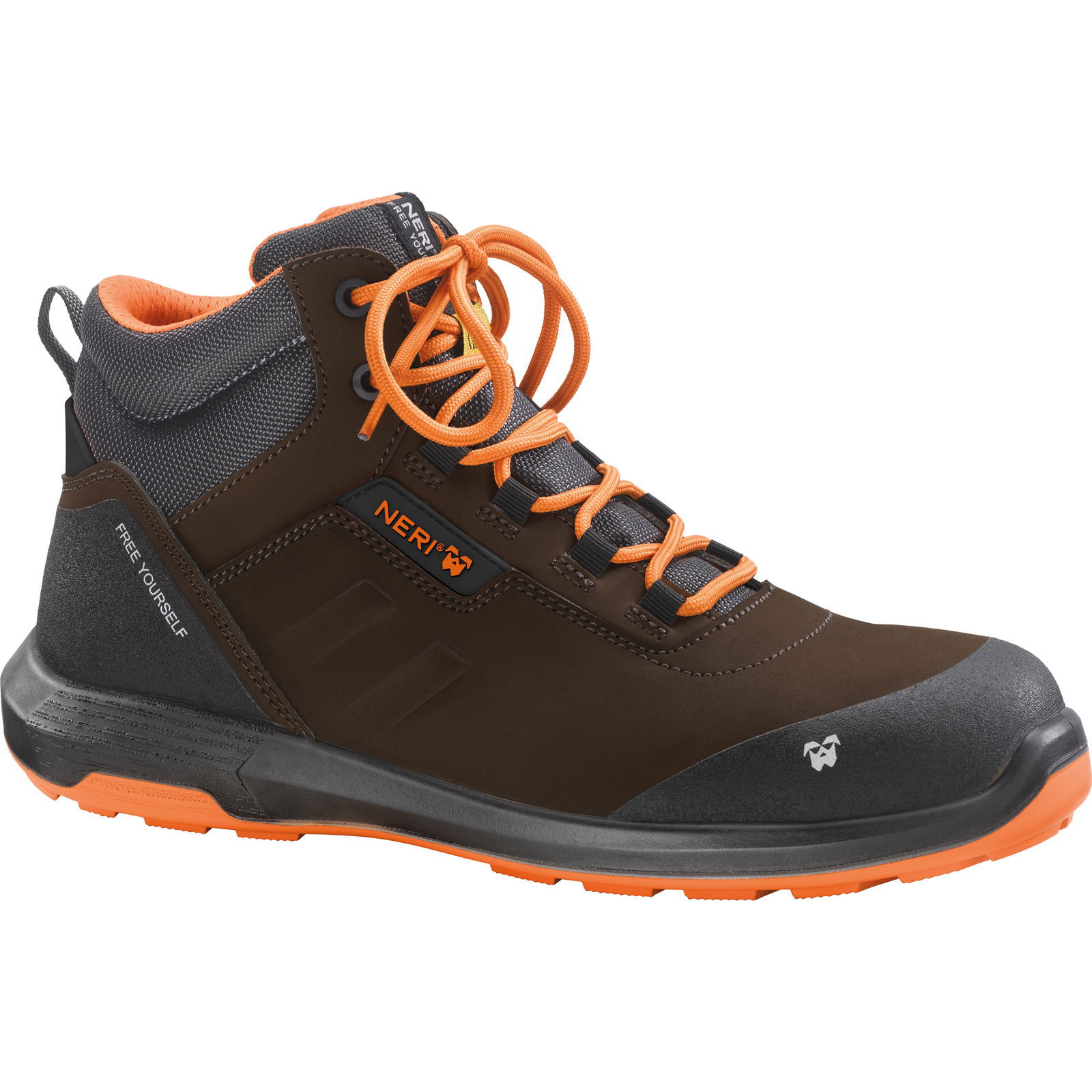
Safety shoes S3 | NERI STREET H6 S3 SRC ESD | Nubuck leather
Content: 1 pair

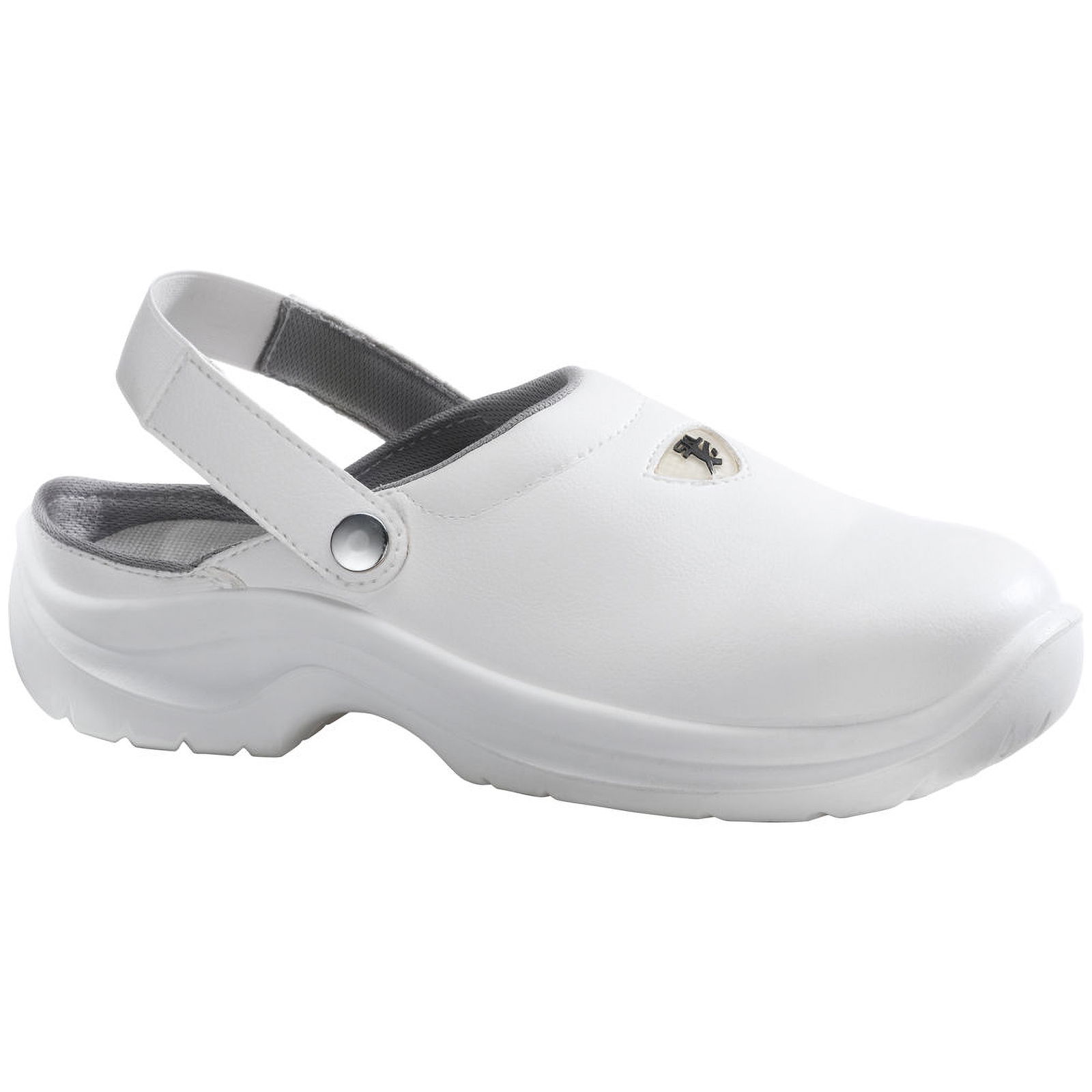
Safety sandals SB | NERI 112C SB A E WPA FO SR | Microfiber
Content: 1 pair
Why Safety Shoes Are Essential
In everyday professional life, it’s not just efficiency that matters, but also protecting your own health. Anyone working in manual, industrial, or logistics professions should protect their feet specifically. At Heros Hygiene, we see every day how important the right protective clothing is, especially safety shoes. They minimize the risk of injuries caused by nails, tools, or slippery floors and are not only recommended but also legally required in many workplaces in Switzerland.
Differences Between Safety Classes S1, S2, and S3
Safety shoes are standardized according to EN ISO 20345 and divided into different classes. These classes define the scope of protective features.
S1 work shoes offer basic protection: a toe cap, antistatic properties, and a cushioned heel sole.
S2 models additionally feature water-repellent uppers, making them suitable for slightly damp working environments.
S3 safety shoes combine all the above features and add a penetration-resistant sole and a slip-resistant tread. This makes them the most comprehensive protection option and the most commonly used class on Swiss construction sites and in workshops.
Which Class for Which Profession
The choice of the right safety class depends directly on the work environment. In dry indoor areas such as warehouses or offices with technical equipment, class S1 is usually sufficient. S2 is particularly suitable for professions with occasional contact with liquids, such as in the catering industry or in cleaning. An S3 safety shoe is the optimal choice for work on construction sites, in landscaping, woodworking, or metalworking. Those who work outdoors daily or handle sharp-edged tools benefit from the extended protection of this class.
Advantages of S3 Safety Shoes
If you want to be on the safe side, choose S3 — the class with the most comprehensive protection package for demanding working conditions. These shoes combine multiple protective functions in one model that is not only robust but also comfortable.
Waterproof
In Switzerland, you often have to deal with changing weather conditions. S3 shoes are water-repellent and provide reliable protection in rain, snow, or on wet floors. This keeps your feet dry even during longer outdoor shifts.
Steel Toe Cap
The toe cap, usually made of steel or lightweight composite material, protects against falling tools or heavy loads. The risk of injury is significantly reduced without compromising comfort.
Penetration Protection
Thanks to the integrated midsole made of metal or special Kevlar material, you’re well protected from below as well. Nails, glass shards, or sharp metal parts cannot penetrate the shoe. This protection is indispensable on uneven or hazardous surfaces.
Work Shoes vs. Safety Shoes – What’s the Difference
The terms work shoes and safety shoes are often used interchangeably, but there is a crucial difference. Work shoes primarily provide comfort, foot support, and slip-resistant soles. Safety shoes, on the other hand, must meet specific standards and be equipped with at least a toe cap. In many industries, the use of safety shoes is mandatory when mechanical, chemical, or thermal hazards are expected.
Materials and Technologies of Modern Safety Shoes
Modern safety shoes have little in common with the heavy, uncomfortable models of the past. Today, high-quality materials such as breathable microfiber, durable nubuck leather, or lightweight textiles are used. The soles are made of advanced rubber or PU blends with excellent slip resistance. Many models feature ergonomic footbeds, breathable linings, and a pleasant in-shoe climate, even during long workdays.
Design Meets Safety – Sneakers and White Safety Shoes
Today, safety goes hand in hand with design. More and more models are visually inspired by sporty sneakers or classic low shoes. White safety shoes are particularly popular in the catering industry, the medical sector, or food production. These models offer the same level of protection as other safety shoes but look more modern and visually fit better into hygienically sensitive environments.
Swiss Quality: Work Shoes and Safety Shoes from Switzerland
At Heros Hygiene, we place great importance on regional quality. Many of the brands we carry come from Switzerland or neighboring Europe. Swiss work shoes stand for durability, solid craftsmanship, and exceptional comfort. This is reflected in both functionality and design. Buying regionally not only benefits from short delivery routes but also supports local manufacturers with high standards.
Care and Lifespan of Safety Shoes
Proper care is essential to maintain the protective function of safety shoes for a long time. After work, they should be cleaned and dried in an airy place, not directly on a heater. Regular waterproofing protects against moisture and extends their lifespan. Soles and seams should also be checked regularly. Depending on usage, it is recommended to replace the shoes every 12 to 24 months to ensure full protection.