
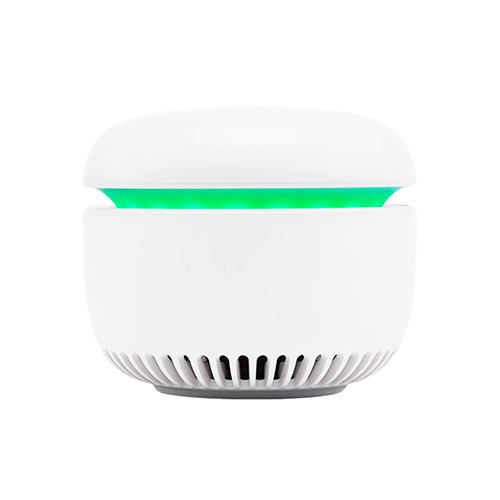
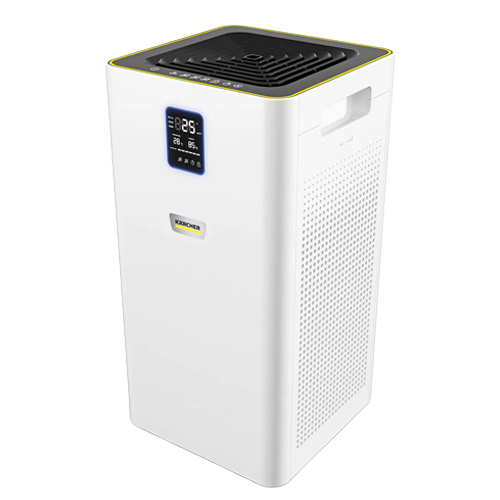
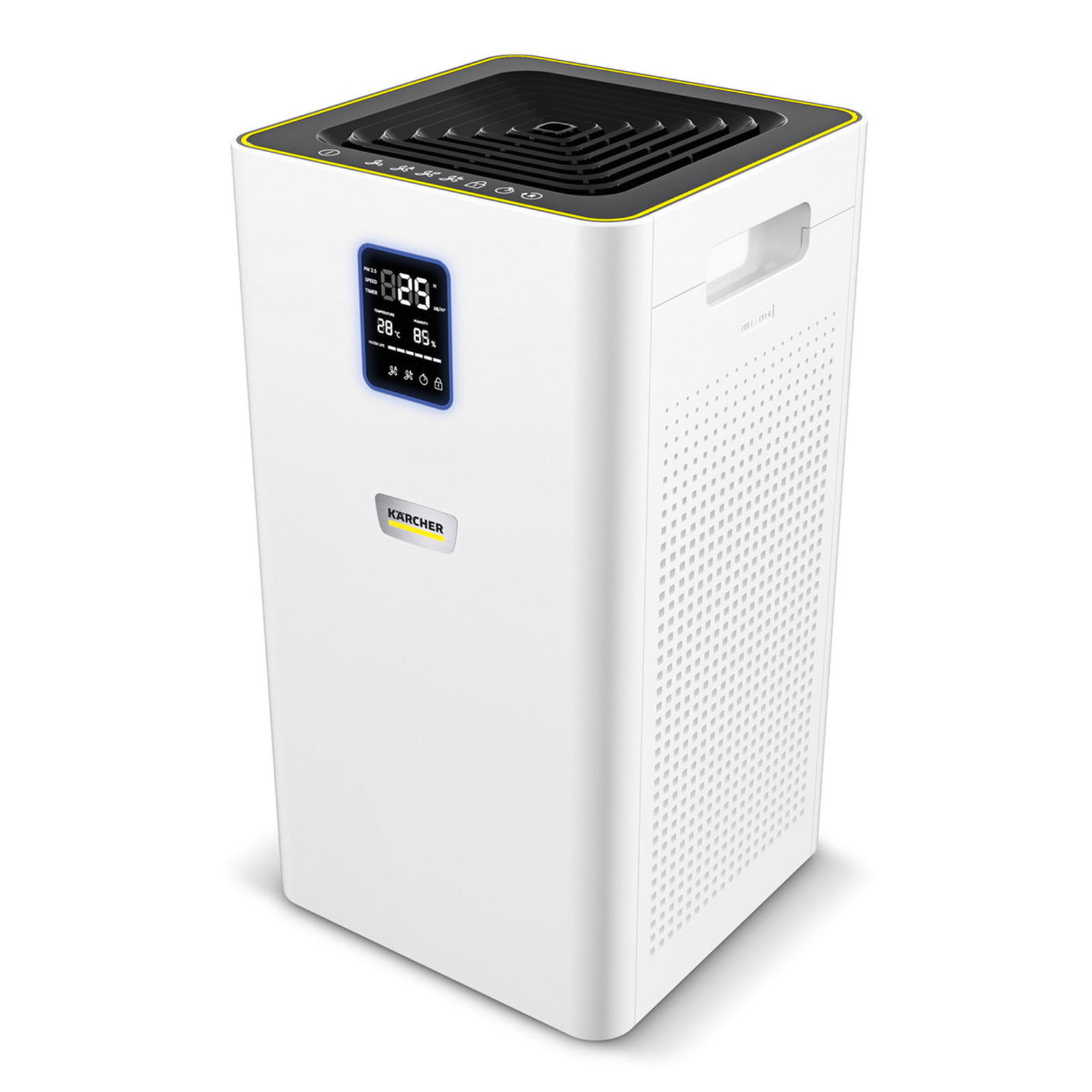
Air purifier | 30 m² - 40 m² | Activated carbon & HEPA filter | Kärcher AF 30
Content: 1 piece(s)
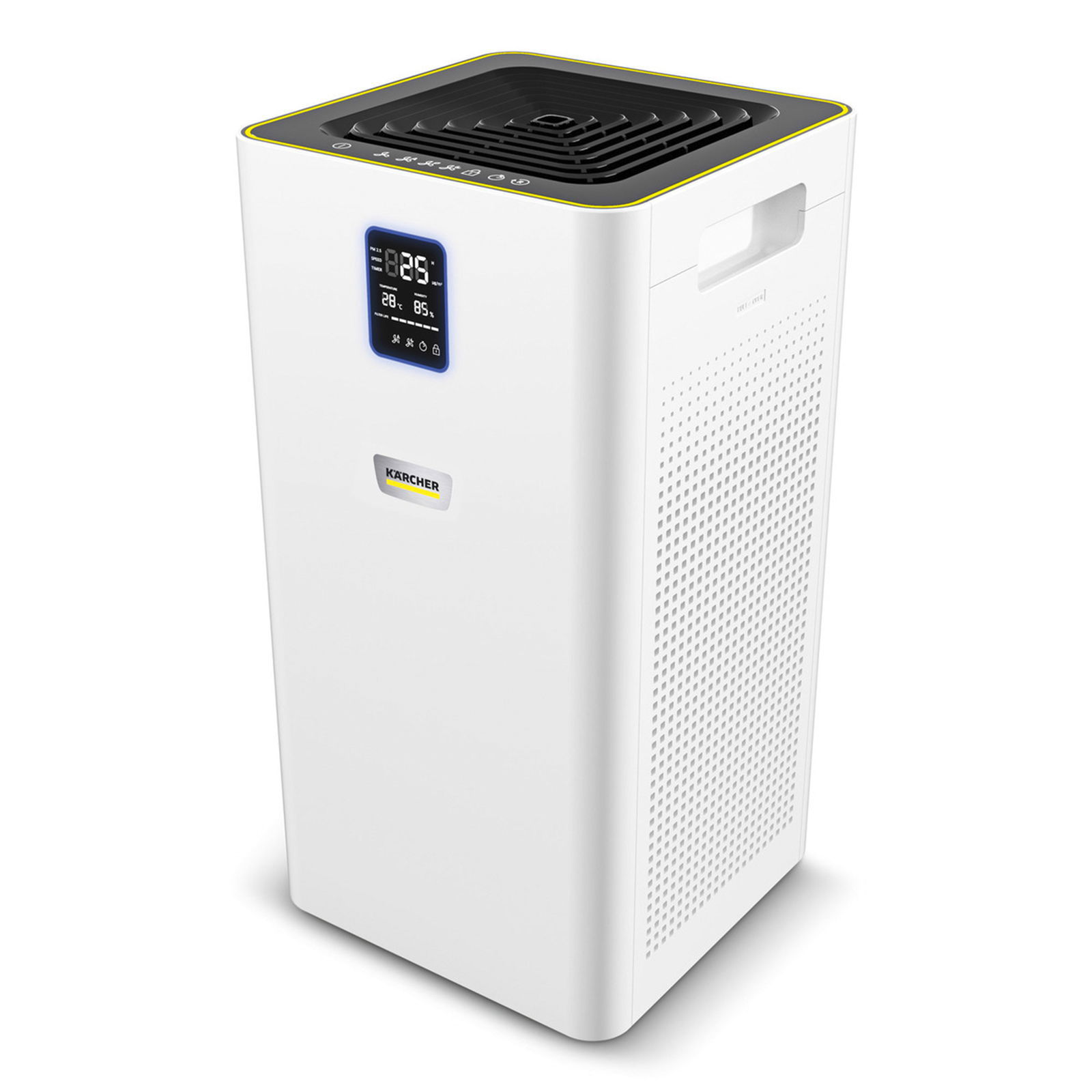
Air purifier | 50 m² - 65 m² | Activated carbon & HEPA filter | Kärcher AF 50
Content: 1 piece(s)
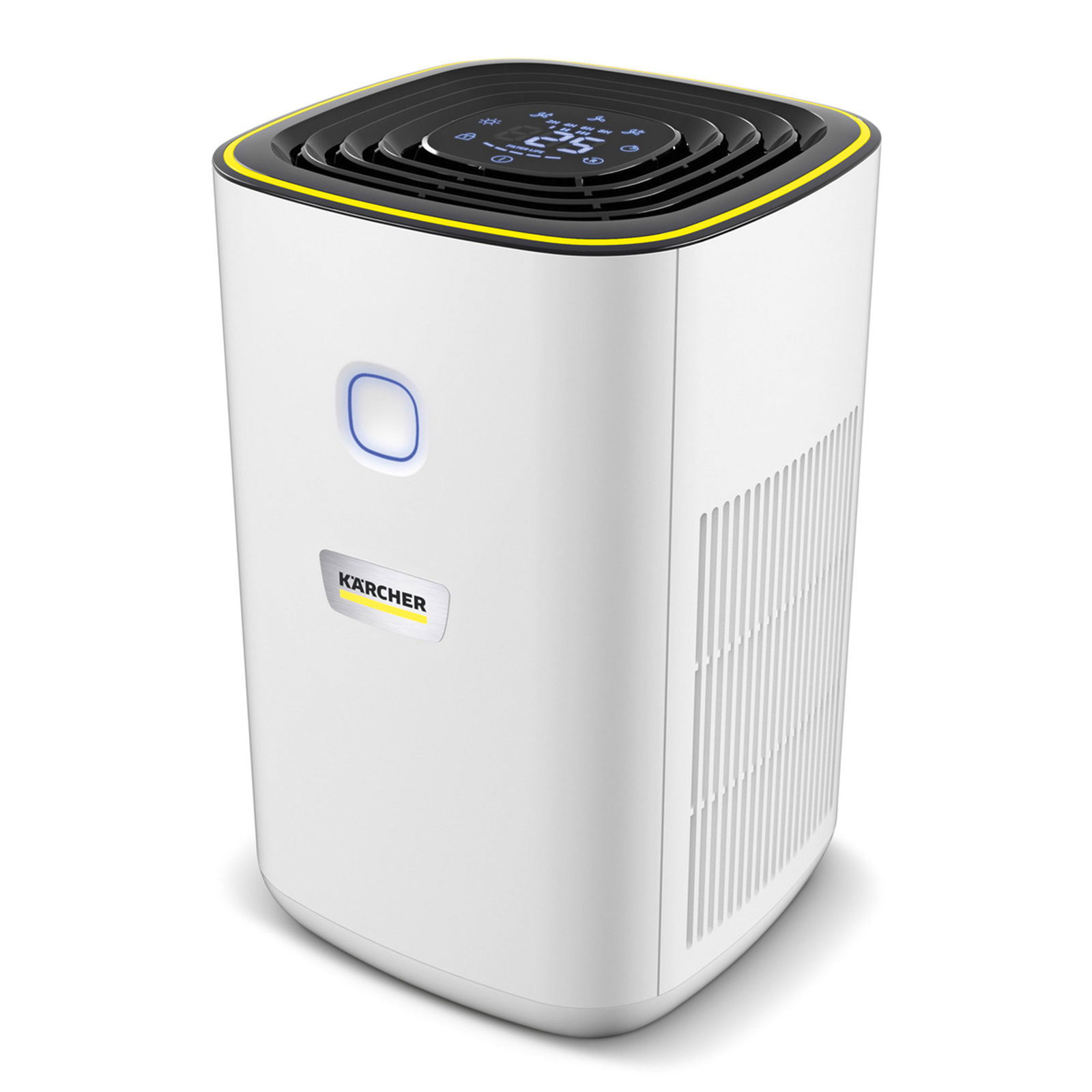
Air purifier | 20 m² - 40 m² | Activated carbon & HEPA filter | Kärcher AF 20
Content: 1 piece(s)
Why an Air Purifier Is Important
The quality of indoor air is crucial for well-being. As science continues to explore indoor climate, more devices are being developed to improve it. Many factors, such as humidity, bacteria, viruses, or CO₂ levels, influence indoor air.
Humidifiers are widely used as they provide comfortable humidity levels during colder months. Less well-known but just as important are air purifiers. These devices specifically remove pollutants from the air, creating a healthier environment. Depending on the model, they filter fine dust, allergens, microorganisms, or unpleasant odours.
For allergy sufferers, asthmatics, or people who spend a lot of time indoors, an air purifier can significantly improve well-being. In addition, CO₂ monitors are a useful tool to track CO₂ levels and support proper ventilation habits.
How Often Should You Change an Air Purifier Filter?
A clean filter is essential for effective air purification. The replacement frequency depends on the technology and usage of the device. HEPA filters should be replaced every 6 to 12 months, depending on air pollution levels. Activated carbon filters have a shorter lifespan and generally need replacing every 3 to 6 months, as they absorb odours and gases. Pre-filters should be cleaned or replaced every few weeks, depending on the model. Some air purifiers are equipped with sensors that indicate when a filter needs to be replaced. Those who use their air purifier daily, such as in offices or homes with pets, should check the filter regularly to maintain cleaning performance.
The Different Types of Air Purifiers
Not all air purifiers operate using the same technology. In our range, you will find different models tailored to various needs. HEPA air purifiers remove up to 99.97% of all particles, including fine dust, pollen, mould spores, and bacteria. UV-C air purifiers use ultraviolet light to neutralise germs and viruses. Activated carbon filters absorb unpleasant odours and volatile organic compounds. Ionisers charge particles electrically, so they are removed from the air. TPA air purifiers work with high voltage and a cold plasma field for ultra-fine filtration. The best air purifier for you depends on your individual requirements.
Air Purifiers for Allergy Sufferers – Help for Hay Fever and Asthma
Allergy sufferers are particularly affected by pollen, dust mites, and pet hair. An air purifier with a HEPA filter can provide effective relief by removing even the finest particles from the air, reducing allergic reactions. Asthmatics also benefit from clean indoor air. Fine dust and other pollutants can irritate the airways and worsen symptoms. An air purifier can help minimise exposure and significantly improve air quality.
Our tip: Allergy sufferers should opt for a model with multi-stage filtration technology. HEPA filters combined with activated carbon filters deliver the best results.
Air Purifiers Against Dust and Fine Particles
Fine dust is one of the invisible air pollutants that can cause long-term health issues. It enters indoor air through open windows, heating systems, or carpets and settles in the respiratory system.
Air purifiers with HEPA or electrostatic filters are particularly effective against fine dust. They capture even the smallest particles, ensuring noticeably better air quality. Those who want to create a dust-free environment benefit from a powerful air purifier that effectively removes fine dust, pollen, and dust mites.
Air Purifiers and Houseplants – A Natural Combination?
Houseplants are often considered natural air purifiers as they produce oxygen and filter pollutants from the air. But can they compete with a technical air purifier?
The answer is no – but they are a valuable addition. While plants like ivy or snake plants can bind certain pollutants, they cannot remove fine dust, allergens, or viruses. However, the combination of an air purifier and houseplants creates a particularly pleasant atmosphere. While the air purifier ensures clean air, plants increase humidity and improve the overall indoor climate.
Buying an Air Purifier – What to Look For
When purchasing an air purifier, consider the following factors:
• Filter type: HEPA for allergy sufferers, activated carbon for odours, UV-C for germs.
• Room size: The device must be suitable for the room size.
• Noise level: Especially important for bedrooms or offices.
• Energy consumption: Efficient models help avoid high electricity costs.
• Additional features: Some air purifiers come with sensors or app control.
Our tip: If you're unsure which model is right for you, browse our online shop for detailed product descriptions or seek advice from our experts.
Humidifier or Air Purifier – Which Is Better?
Humidifiers and air purifiers serve different purposes. A humidifier increases humidity levels and helps with dry air symptoms. An air purifier filters pollutants and ensures clean air. During dry winter months, a humidifier can make the indoor climate more comfortable. However, for those suffering from allergies or poor air quality, an air purifier is the better choice.
Our tip: A combination of both devices often provides the best solution for an optimal indoor climate.
Buy Air Purifiers & CO₂ Monitors at Heros Hygiene
Order your new air purifier directly from our Heros Hygiene online shop and benefit from fast delivery from our Swiss warehouse. Our air purifiers are specifically designed for households, offices, schools, and commercial spaces, offering the ideal solution for clean and healthy indoor air. If you have any questions about our products, our customer service team is happy to help.