
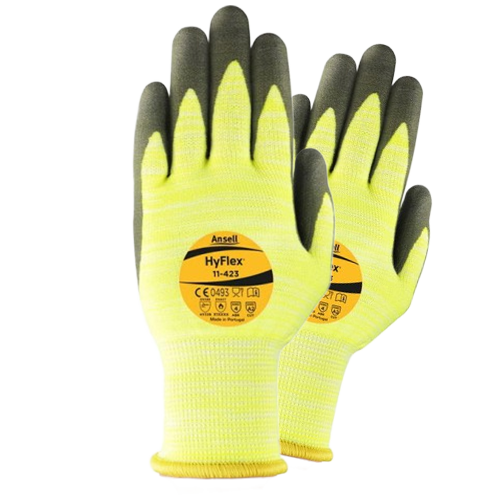
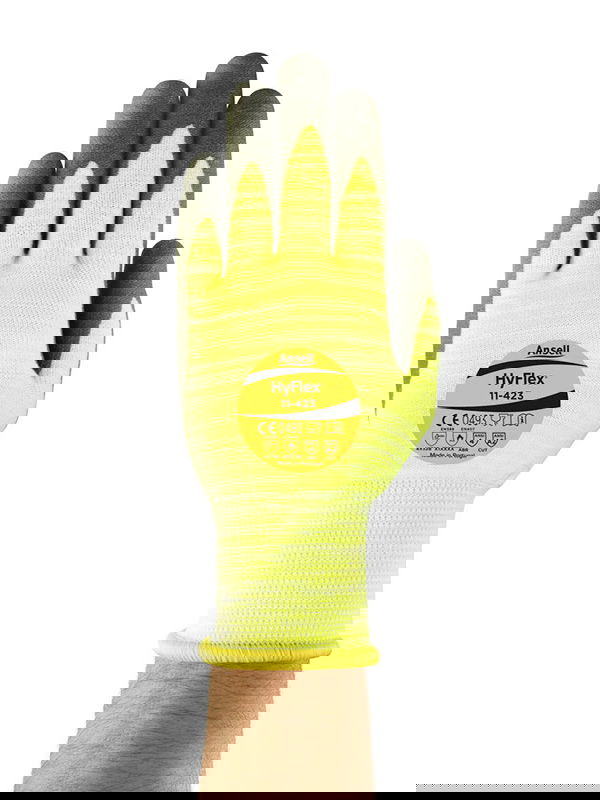
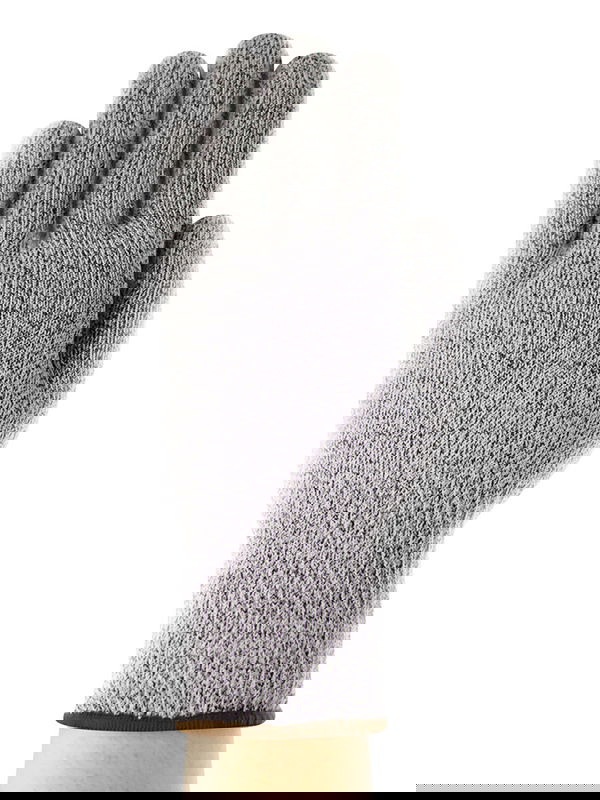
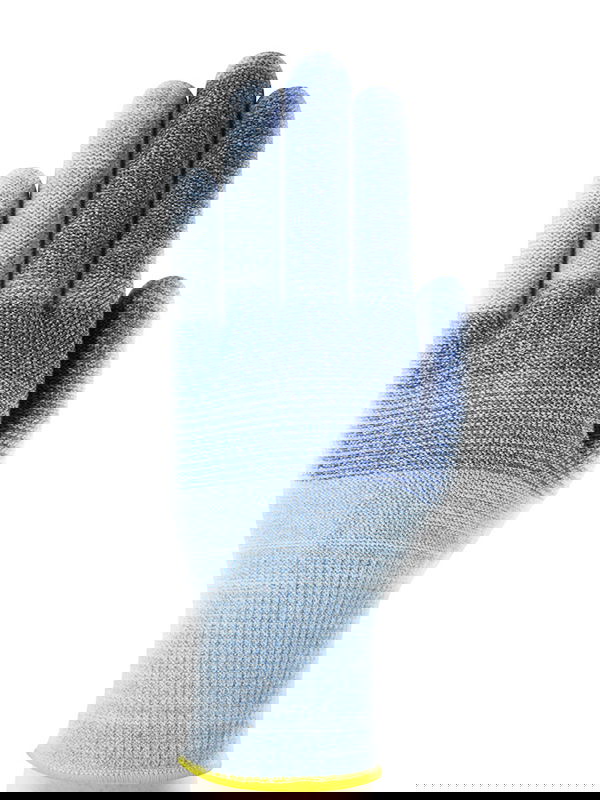
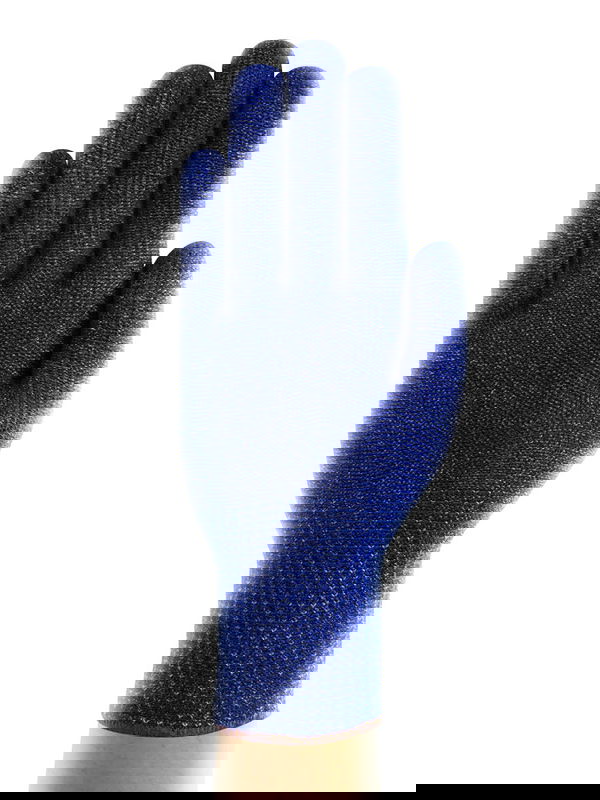
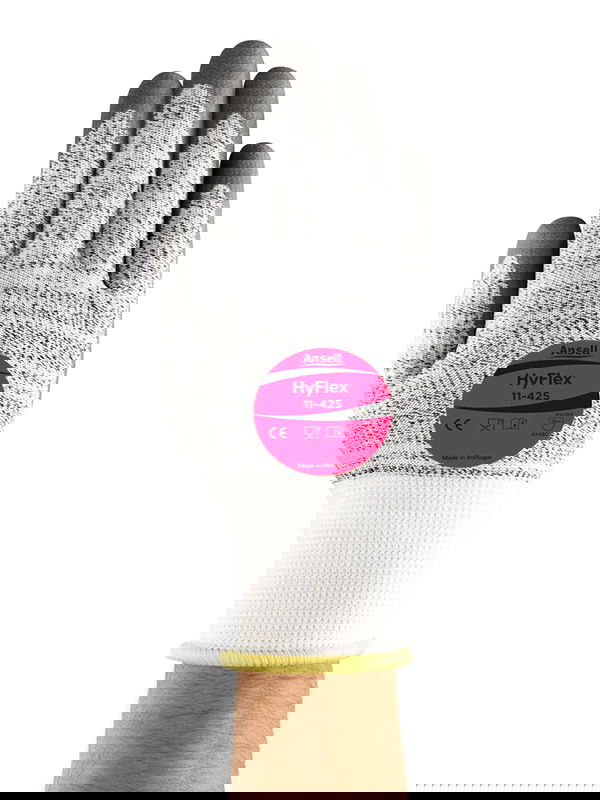
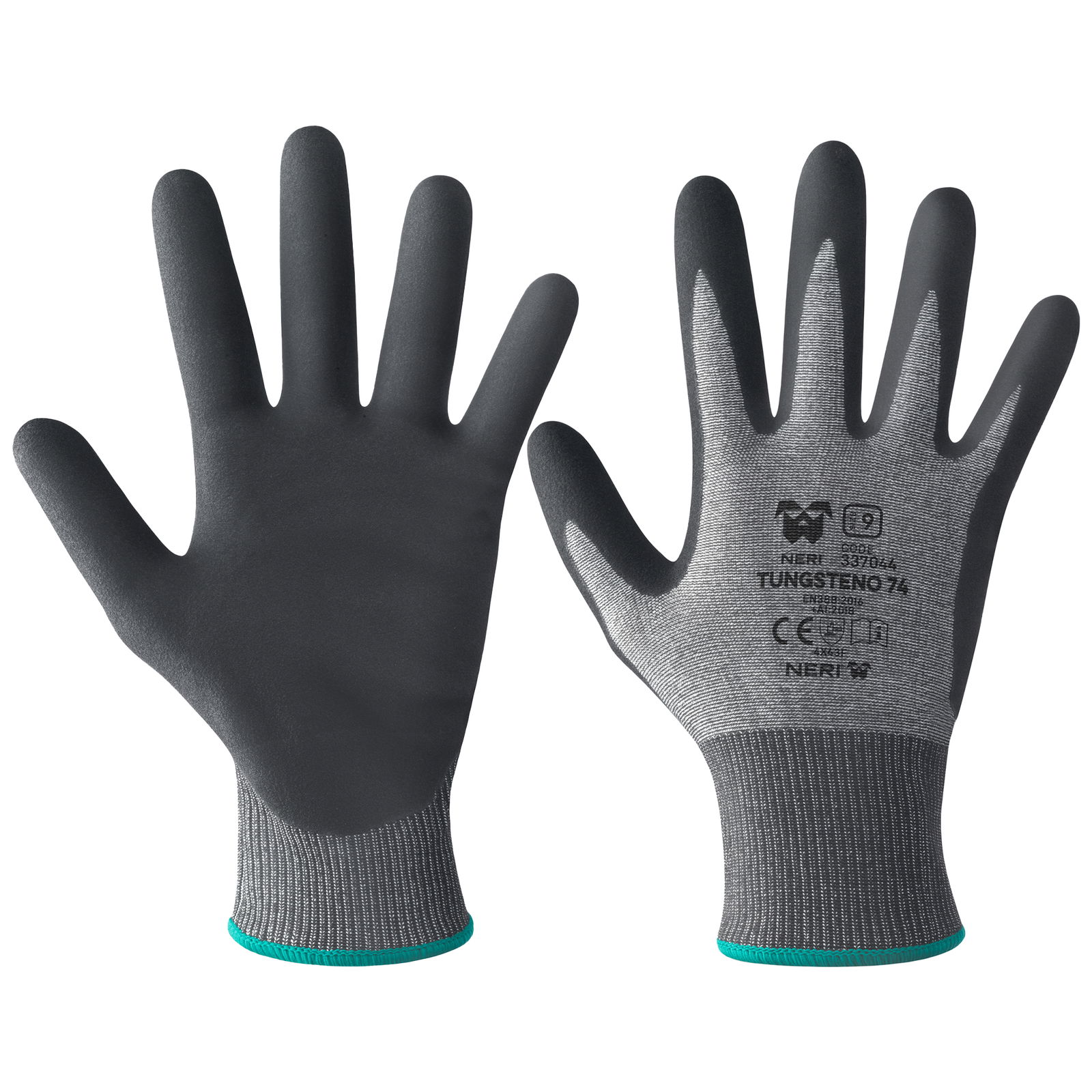
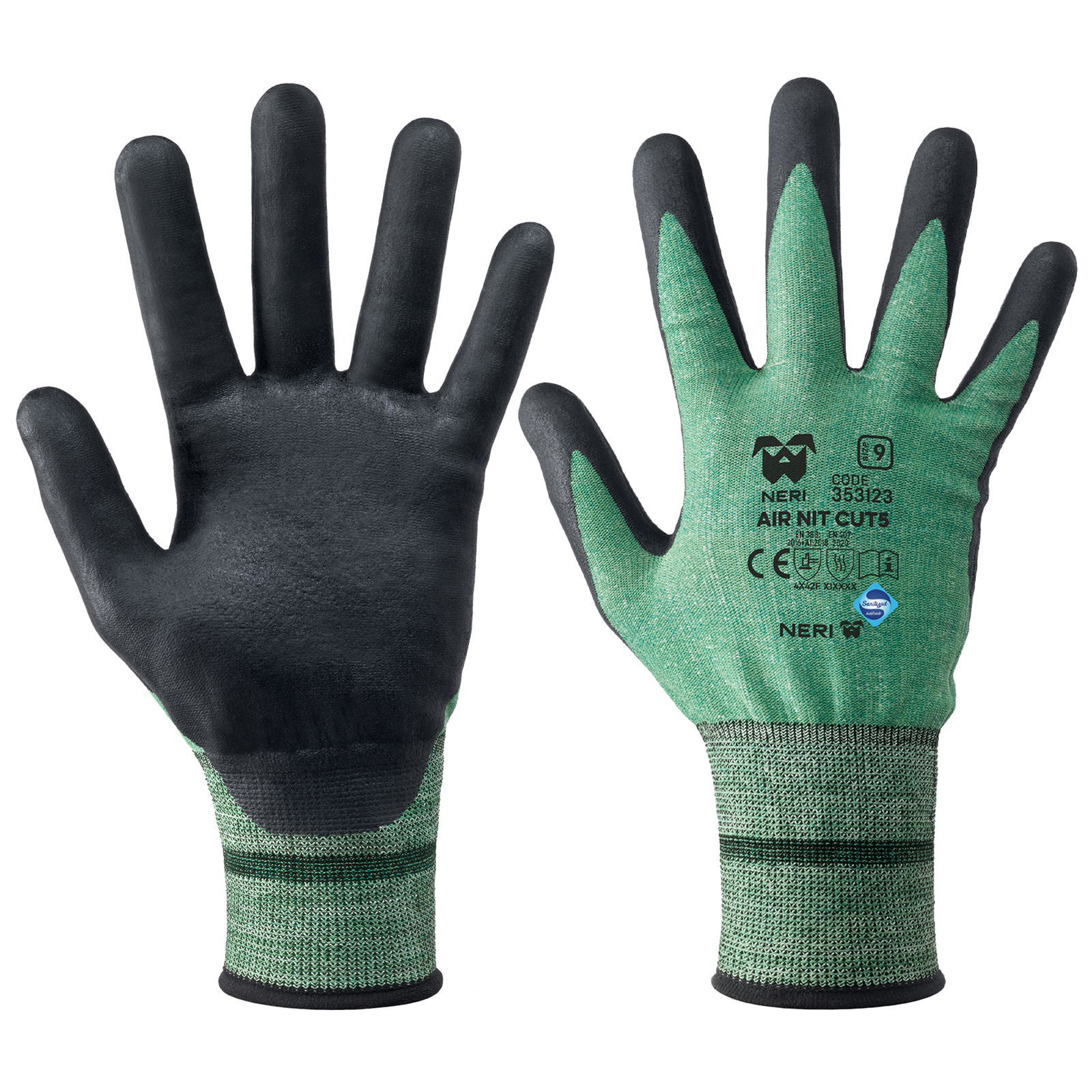
Cut protection gloves | NERI AIR NIT CUT5 | 15 gauge
Content: 12 pair
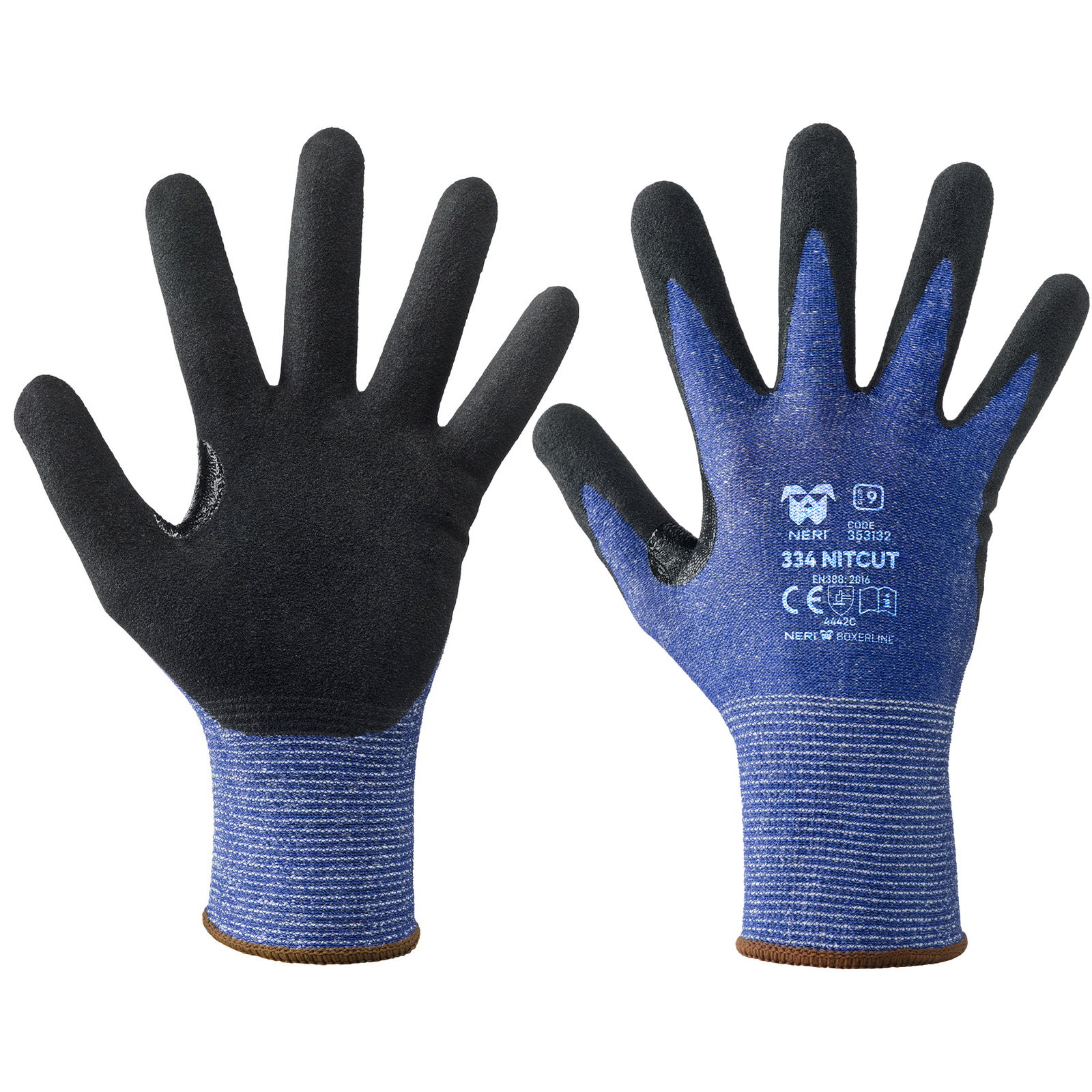
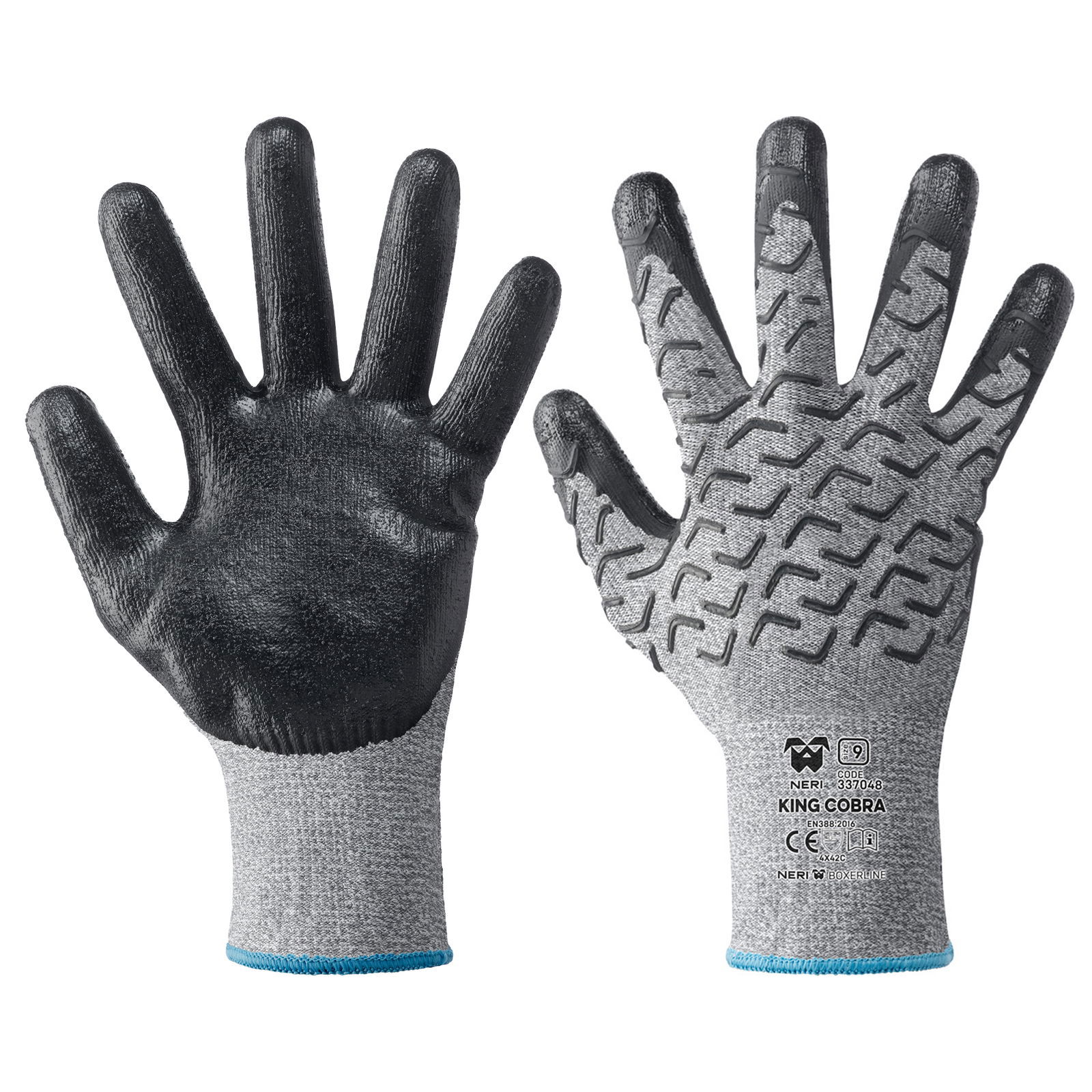
What Are Cut-Resistant Gloves?
Cut-resistant gloves are specially designed gloves that protect your hands from dangerous cuts and injuries. They are made from particularly robust materials such as Kevlar, HPPE, or stainless steel fibres. Depending on the protection class, they are ideal for tasks involving sharp tools, blades, or machinery.
Why Are Cut-Resistant Gloves Important?
In many professions or activities, there is a high risk of cuts – and this is where these gloves come into play. They significantly reduce the risk of injury and help prevent long-term complications. Whether in industry, the kitchen, or DIY projects, cut-resistant gloves not only ensure safety but also boost productivity.
Benefits and Applications of Cut-Resistant Gloves
Benefits:
• Effectively protect against cuts and injuries.
• Ergonomic design for high wearing comfort.
• Flexible and suitable for various applications.
Applications:
• Industry: Working with machinery or sharp tools.
• Kitchen: Safe handling of knives during food preparation.
• DIY projects: Perfect for gardening, woodworking, or renovations.
Materials and Protection Classes of Cut-Resistant Gloves
What Materials Are They Made Of?
• Kevlar: Lightweight, cut-resistant, and heat-resistant – ideal for versatile applications.
• HPPE: Highly durable and cut-resistant.
• Stainless steel fibres: Provide maximum protection, even when working with extremely sharp tools.
What Do the Protection Classes Mean?
According to the EN 388 standard, cut-resistant gloves are classified from A to F, depending on their cut resistance:
Classes A to C: Suitable for light tasks such as cooking or gardening.
Classes D to F: Designed for high-risk tasks, e.g., with circular saws or in metalworking.
Tip: Choose the protection class that matches your task – higher protection provides greater safety.
Requirements for Specific Areas
In the Food Industry
In this sector, cut-resistant gloves must not only be safe but also hygienic and food-grade. HPPE and stainless steel fibres meet these requirements and are often dishwasher-safe.
• Butchers: Protection when cutting meat.
• Chefs: Precise and safe knife handling.
• Home cooks: Extra safety when slicing food.
In the Industry
Industrial cut-resistant gloves are particularly robust and withstand even intensive use. Some models combine cut resistance with additional features like heat protection, puncture resistance, or abrasion resistance.
Cut-Resistant Gloves for DIY and Hobby Projects
Whether gardening, woodworking, or DIY projects, hobbyists also benefit from cut-resistant gloves. Choose models with a good fit and ergonomic design for maximum comfort.
Tips for Home Use:
Ensure a good price-performance ratio.
The work gloves should fit comfortably and not restrict hand movement.
What to Look for When Buying Cut-Resistant Gloves
Fit and Comfort:
The gloves should fit snugly without pinching. This enhances safety and reduces hand fatigue.
Certifications:
Look for the EN 388 standard, which guarantees that the gloves are cut-resistant.
Quality over Price:
High-quality products may cost more but are more durable and offer better protection.
Care and Cleaning of Cut-Resistant Gloves
Proper care extends the lifespan of your protective gloves:
Wash them regularly with lukewarm water and a mild detergent.
Air dry them – avoid harsh chemicals or high temperatures. We have special chemical protective gloves for this purpose.
Material-Specific Tips:
Stainless steel fibres: Rinse with water or place in the dishwasher.
Kevlar/HPPE: Wash gently at low temperatures and air dry.
When Should Gloves Be Replaced?
• When visible tears, holes, or other damage occur.
• If the protective function diminishes after frequent use.
• In hygiene-critical areas such as food processing, regular replacement is especially important.
Conclusion: Safety First with Cut-Resistant Gloves!
Whether in the kitchen, industry, or DIY projects, cut-resistant gloves are essential to prevent injuries. With the right selection and care, you can ensure that your hands are always well protected. Visit us to find high-quality, certified models that perfectly meet your requirements.