
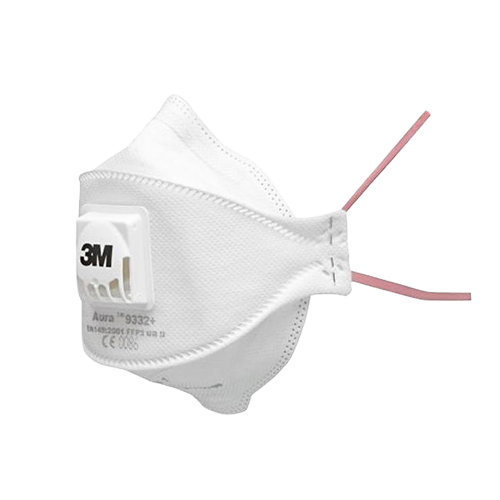
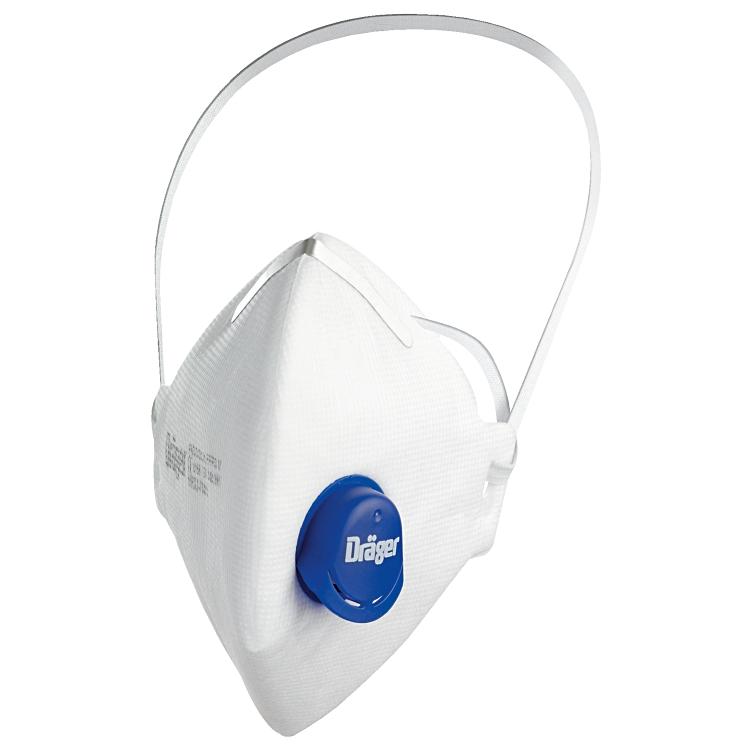
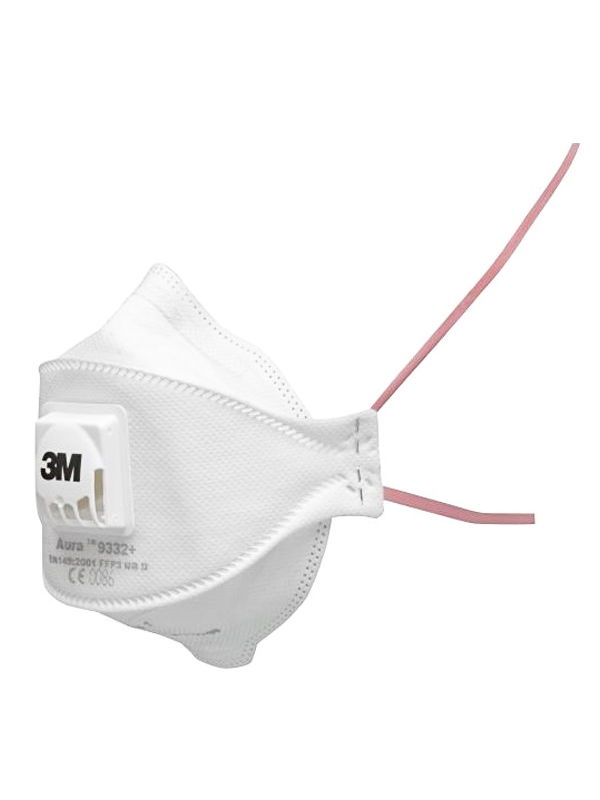
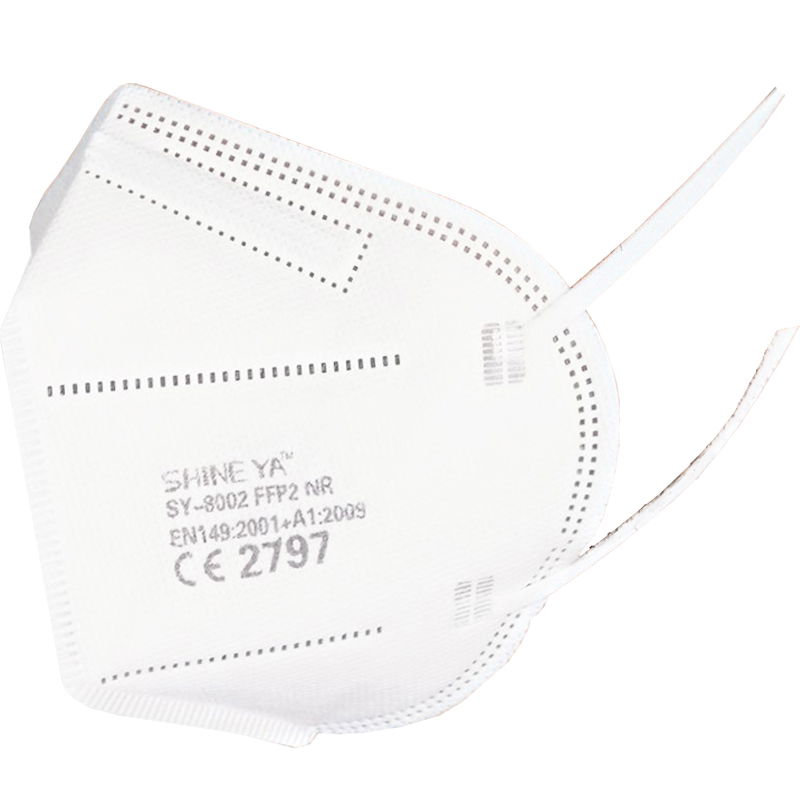
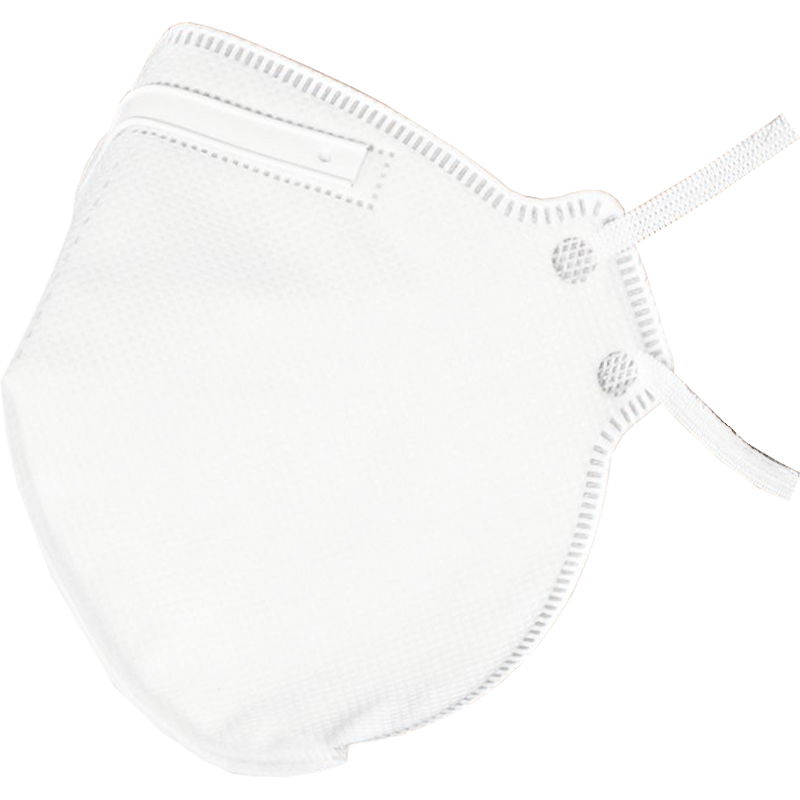
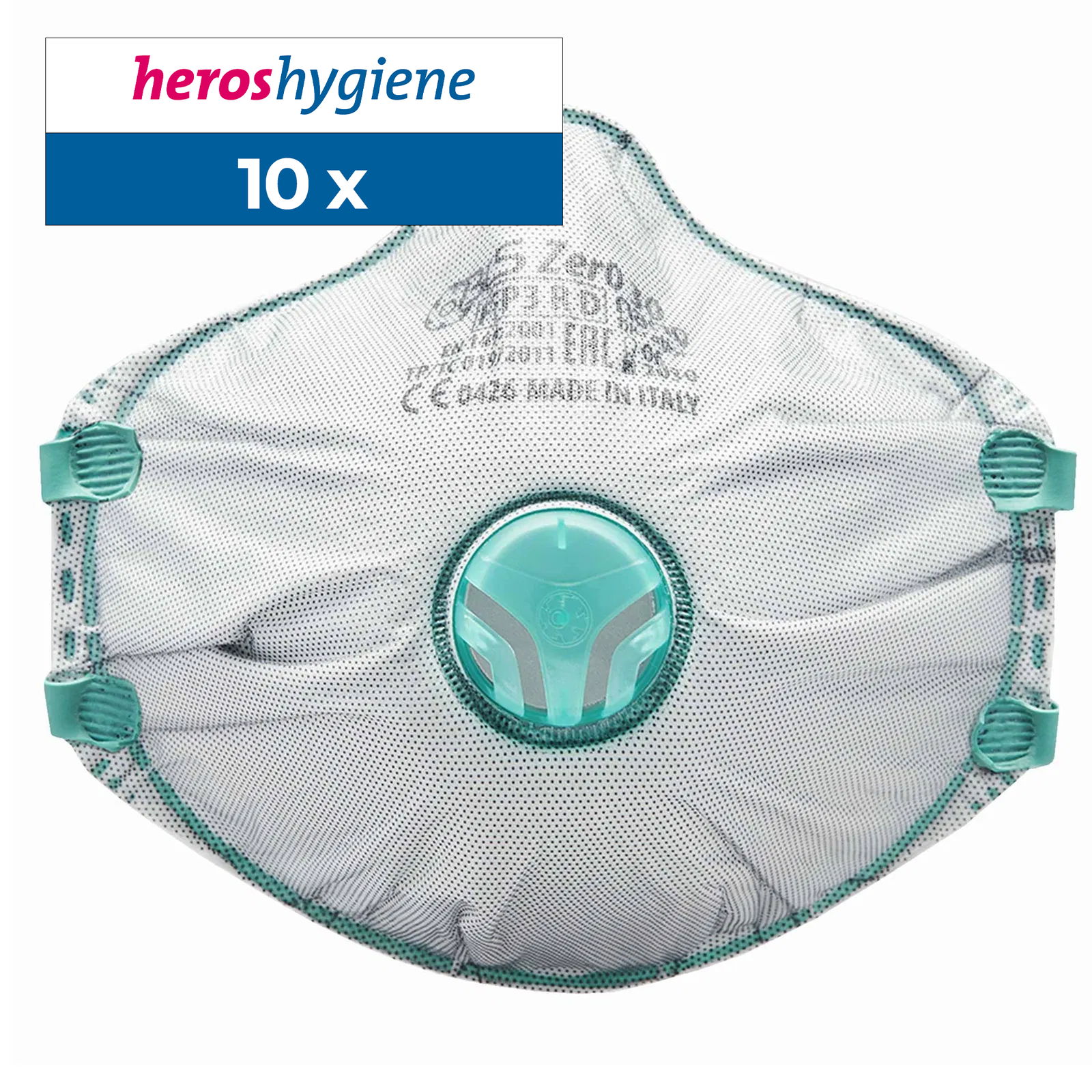
FFP3 respirator BLS Zer0 31 | molded mask with filter and sealing tape
Content: 10 piece(s)
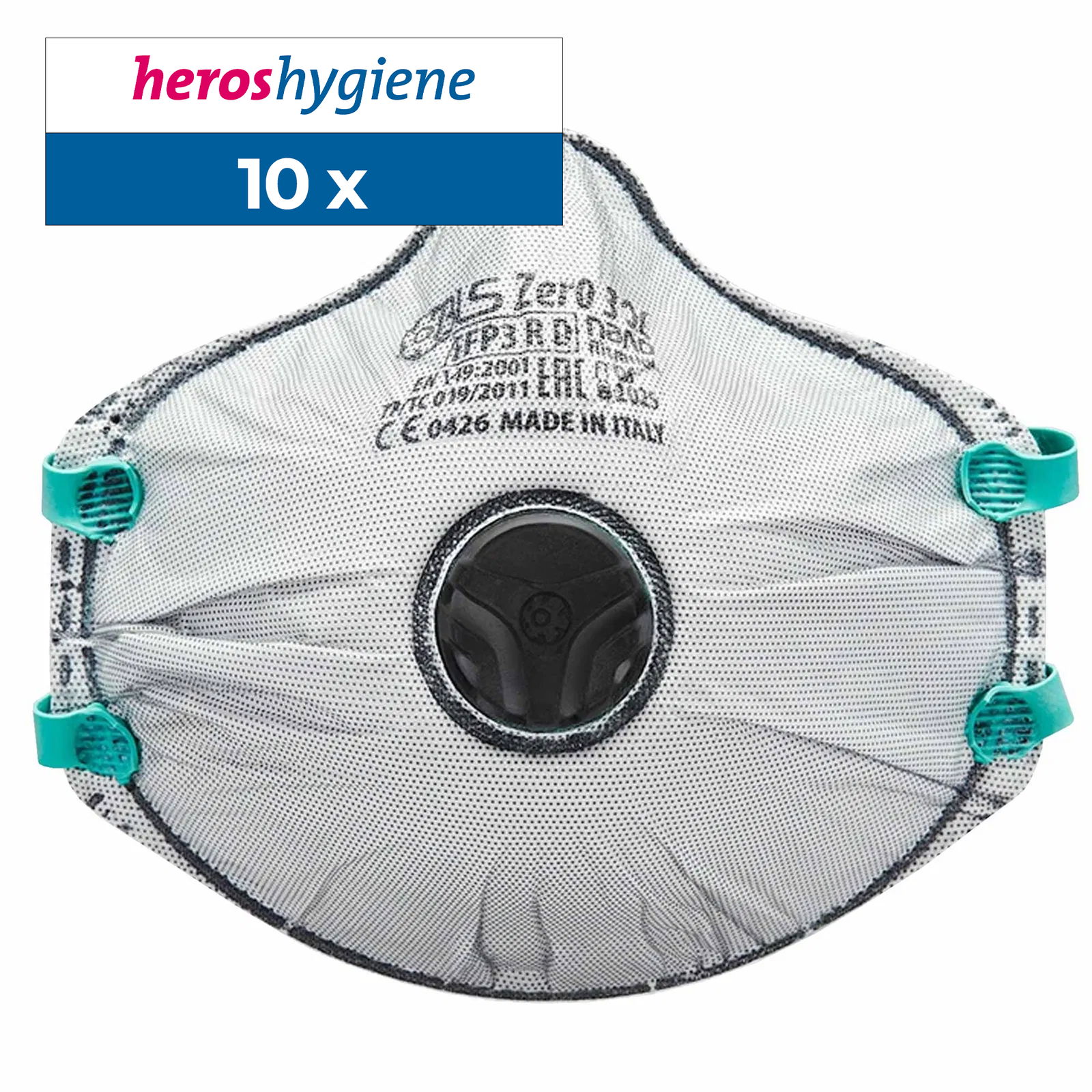
FFP3 respirator BLS Zer0 31C | molded mask with valve and activated carbon
Content: 10 piece(s)
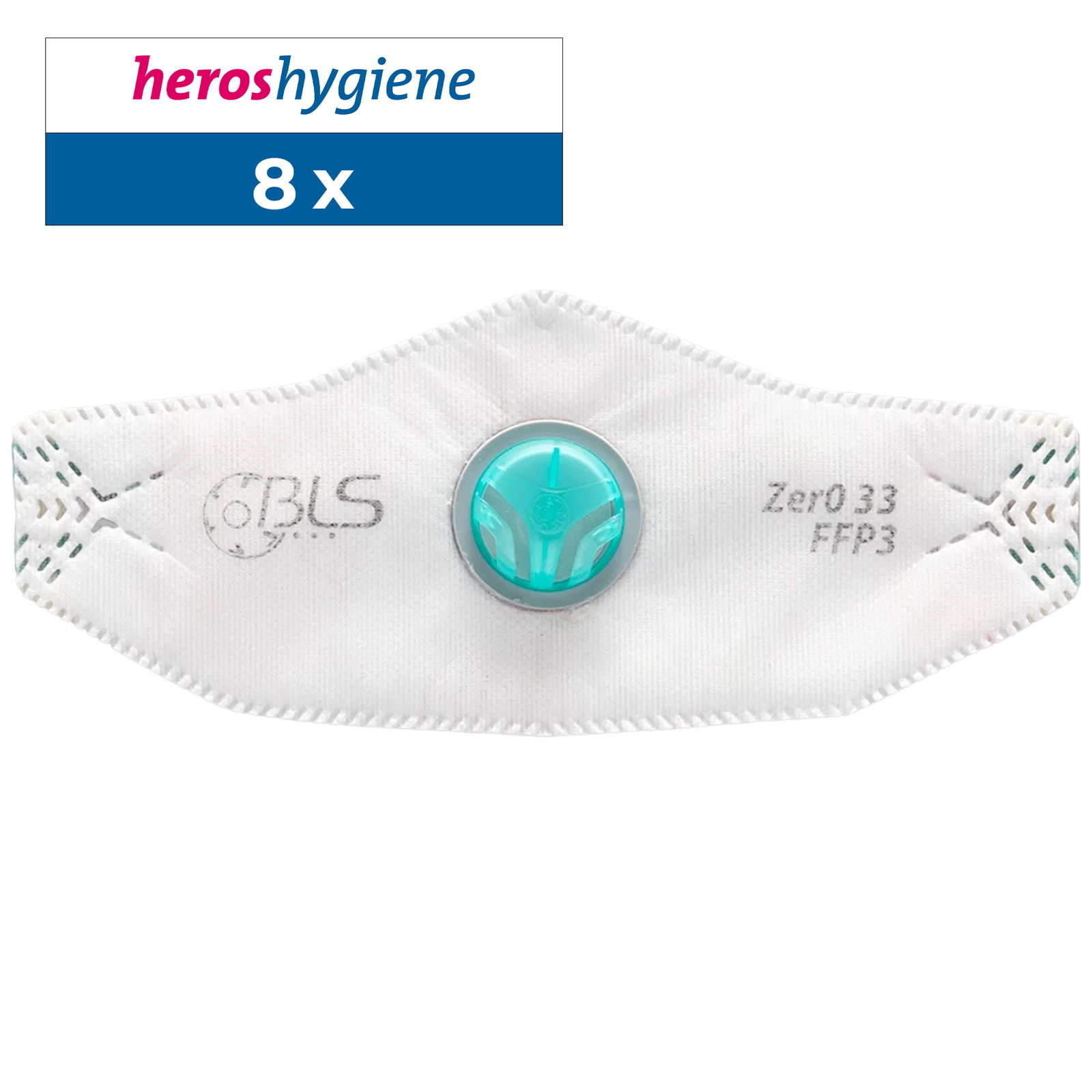
FFP3 respirator BLS Zer0 33 Flat | Folding mask with valve
Content: 8 piece(s)
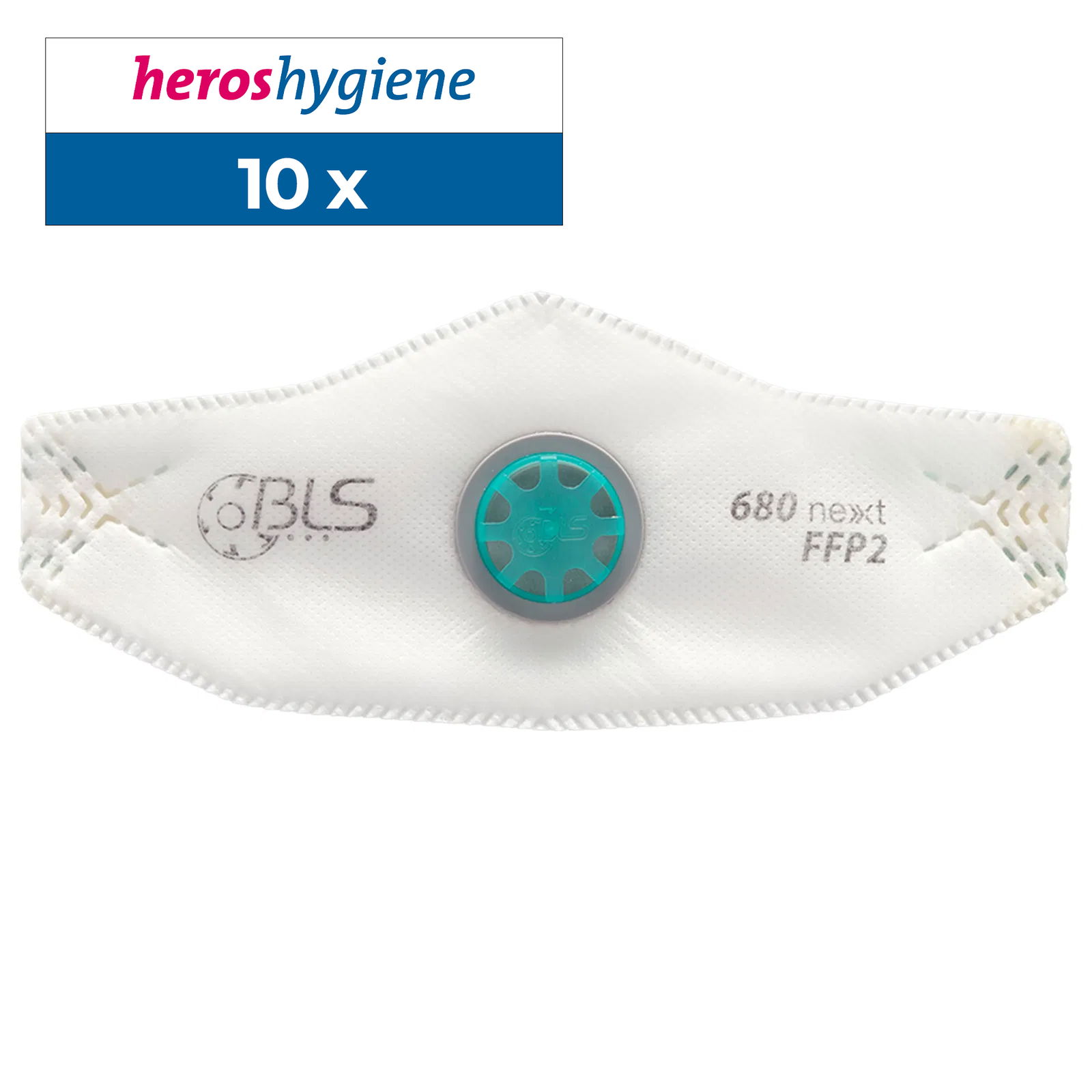
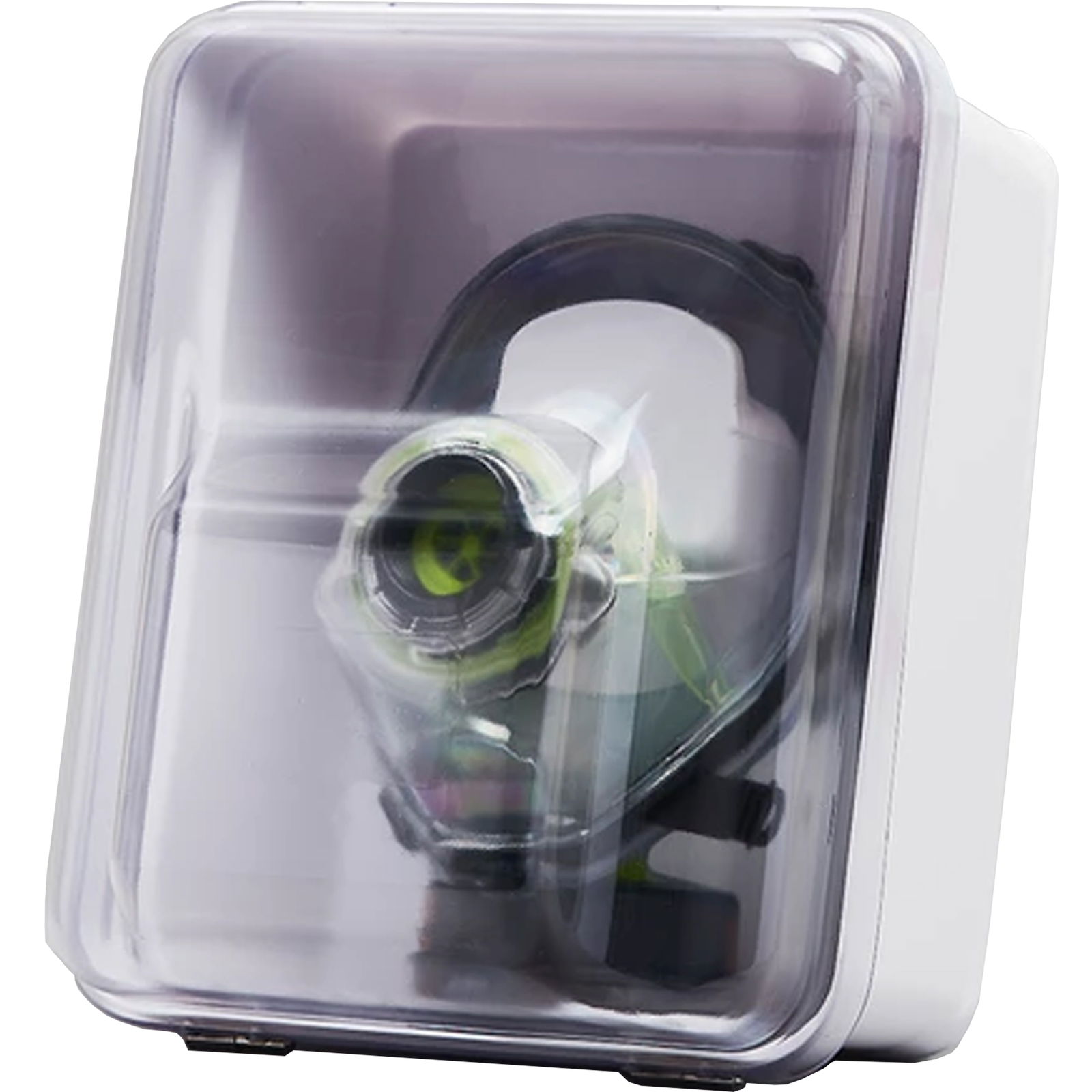
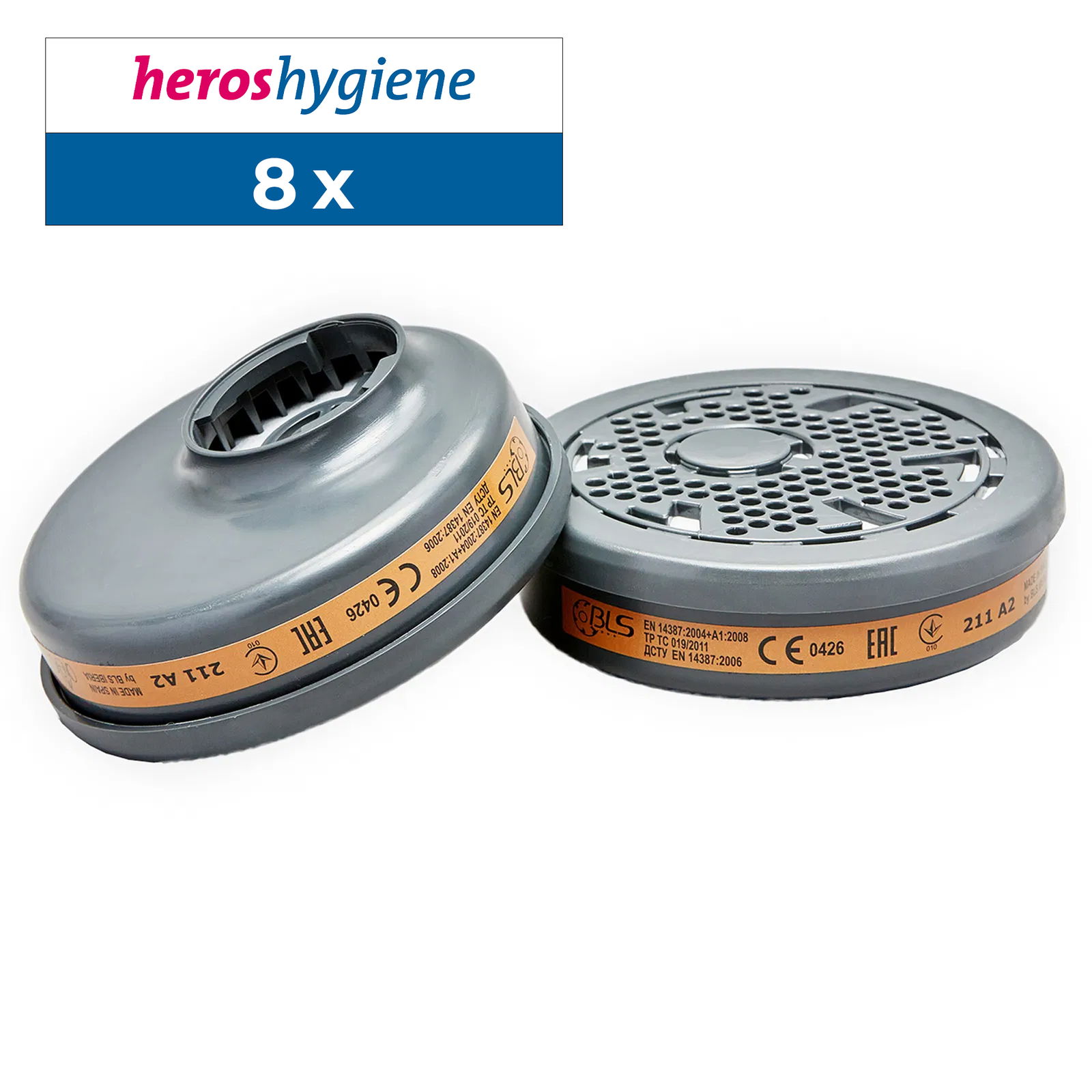
Respiratory protection filter BLS 211 A2 | Gas filter for half masks
Content: 8 piece(s)
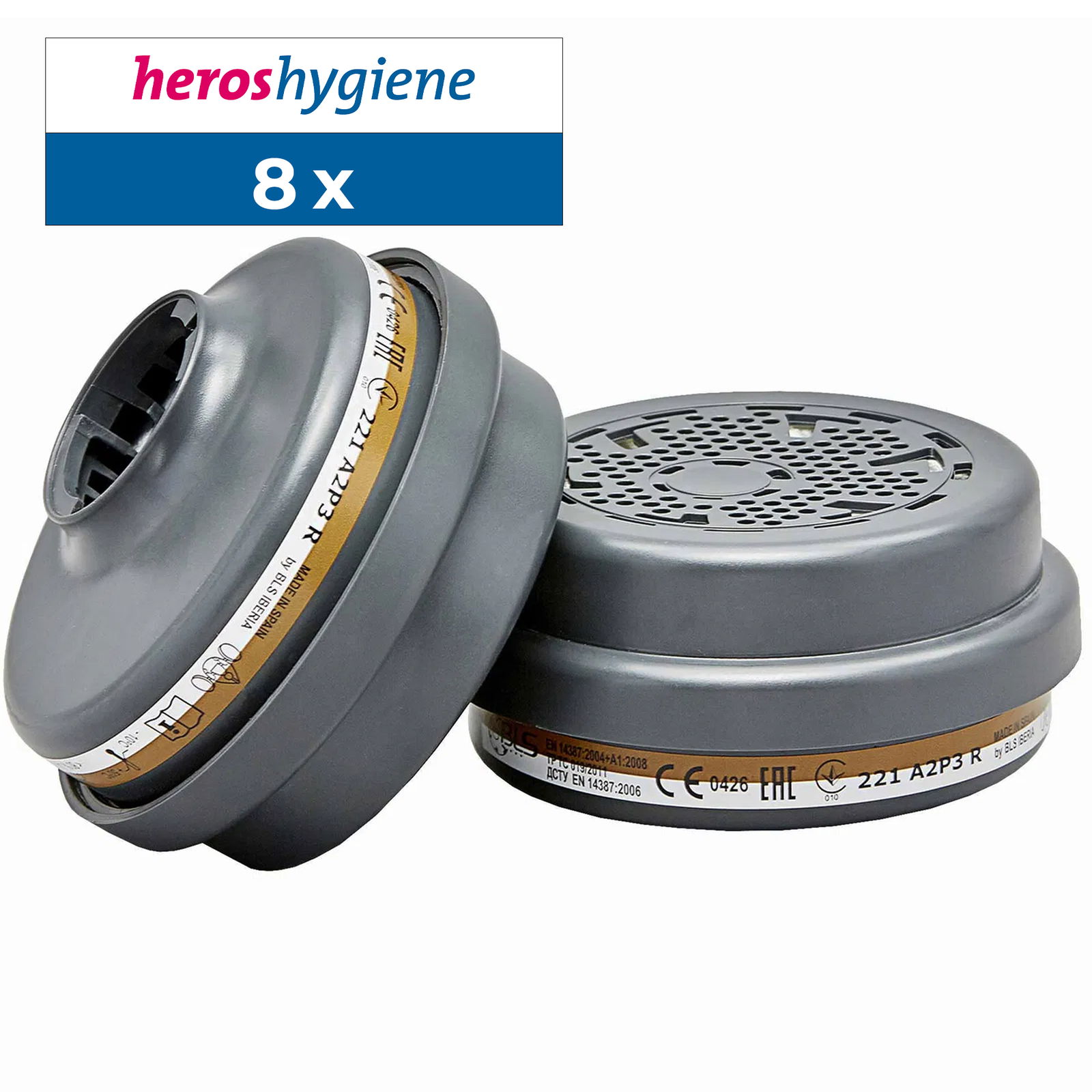
Respiratory protection filter BLS 221 A2 P3R | Combi filter for half masks
Content: 8 piece(s)
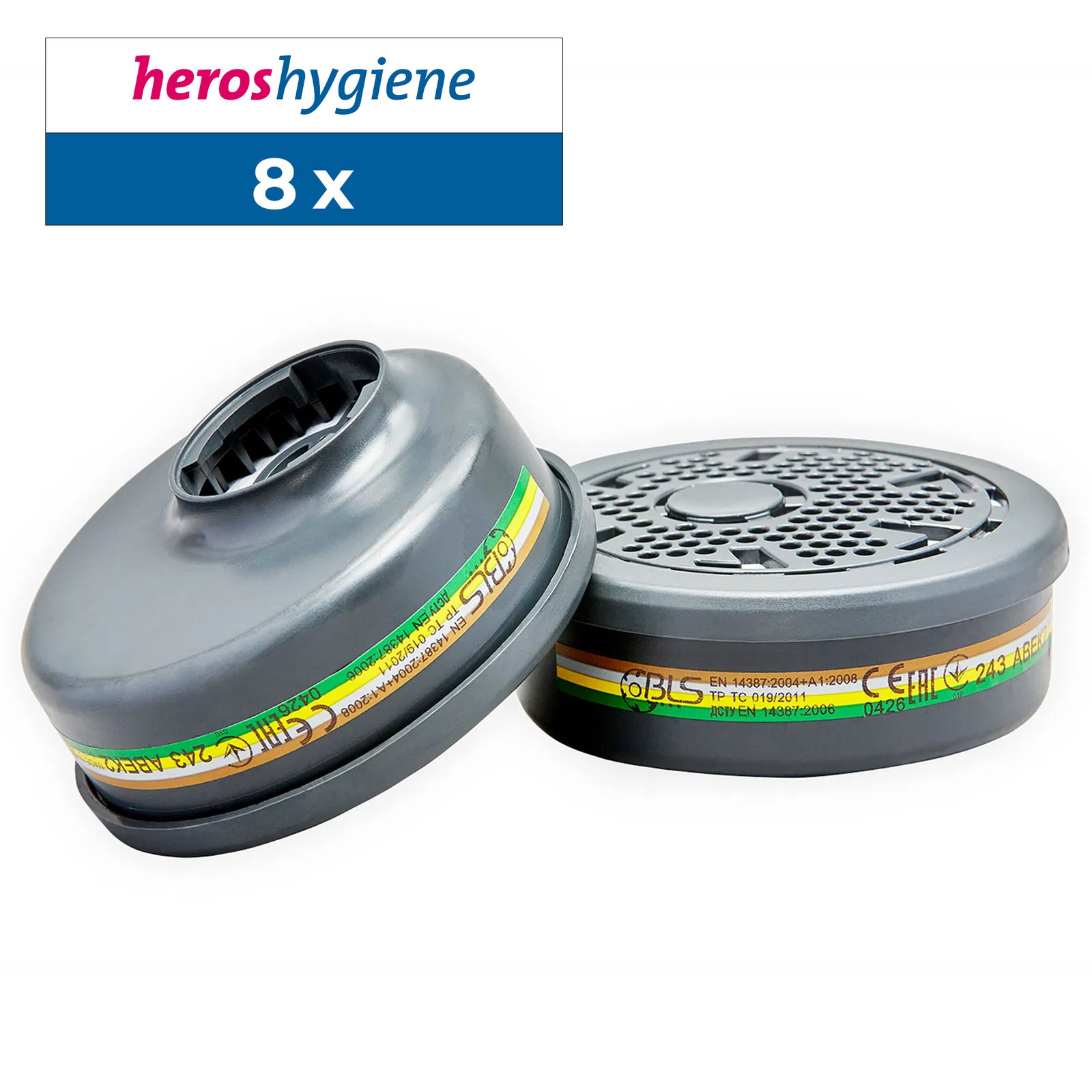
Respiratory protection filter BLS 243 ABEK2 | Gas filter for half masks
Content: 8 piece(s)
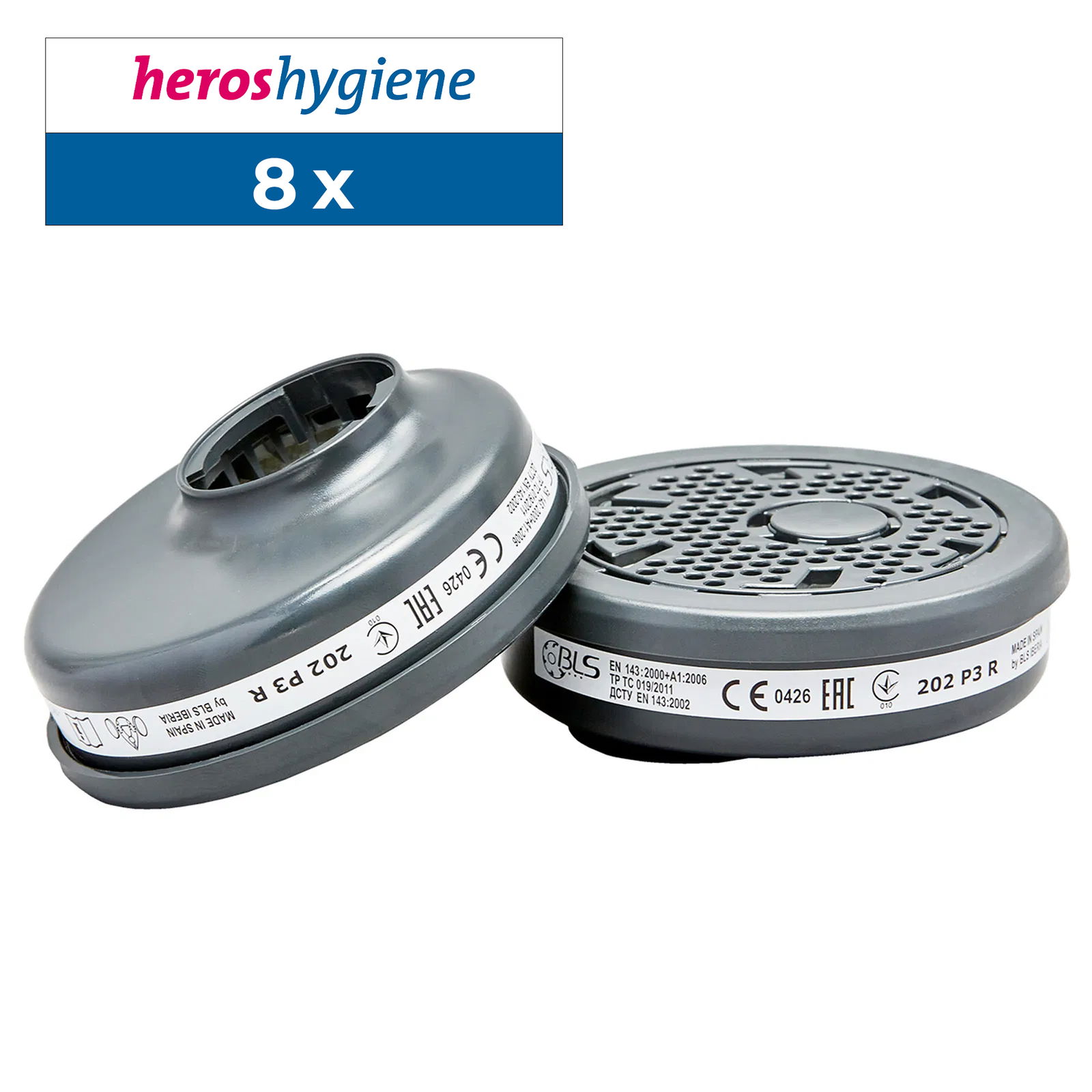
Respiratory protection filter BLS 202 P3R | Particle filter for half masks
Content: 8 piece(s)
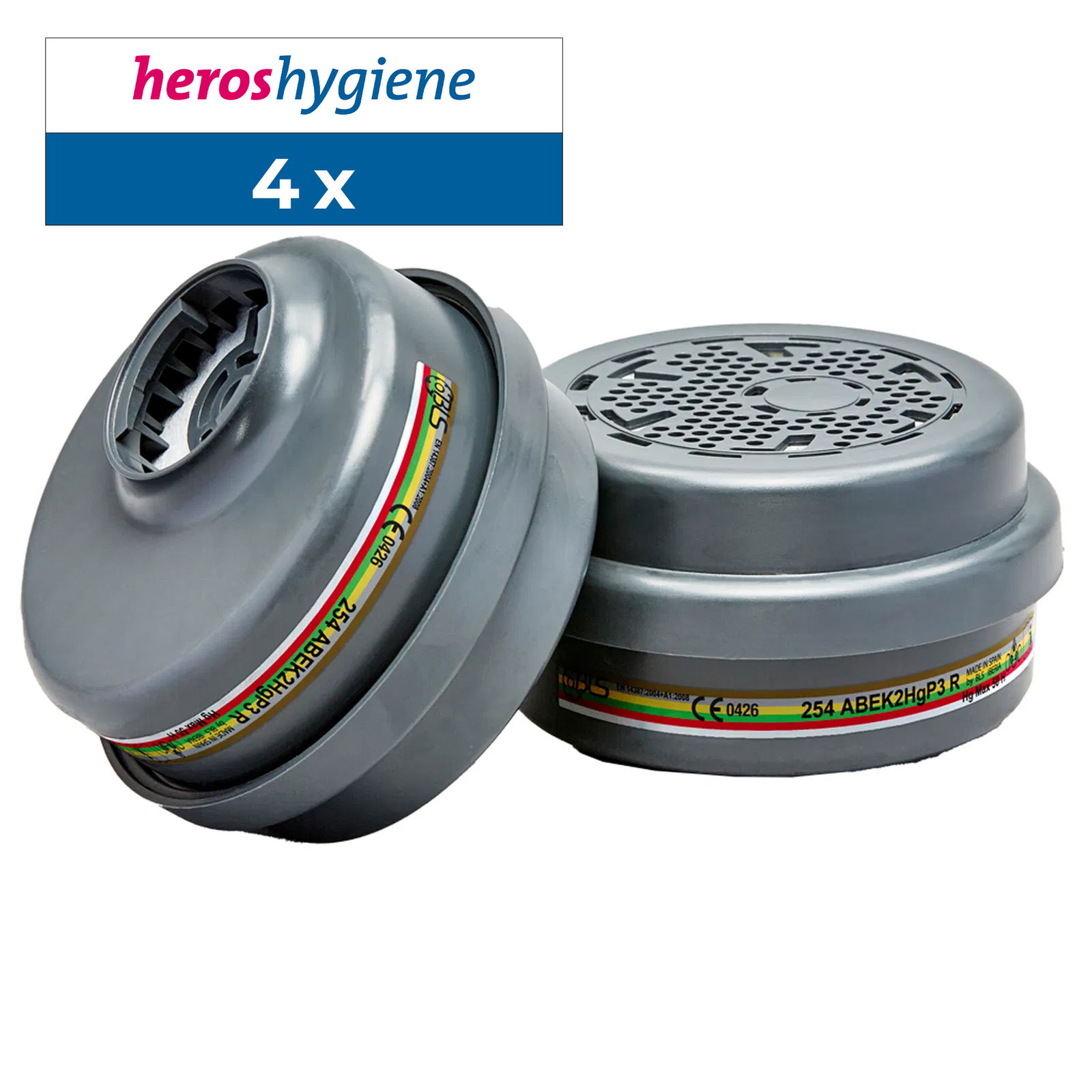
Respiratory protection filter BLS 254 ABEK2Hg P3R | Combi filter for full face masks
Content: 4 piece(s)
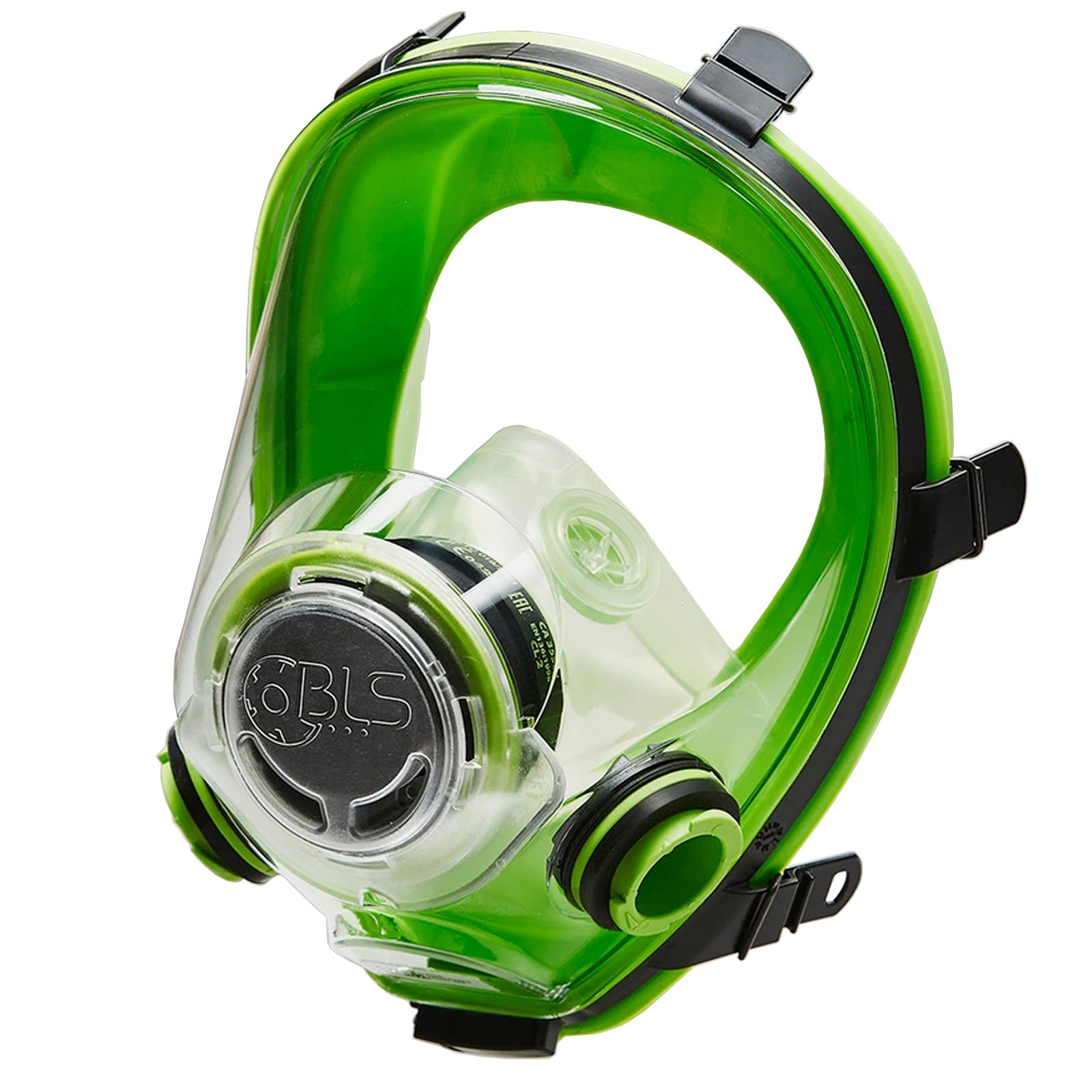
Why Respiratory Masks Are Essential
In professional settings, protecting the respiratory system is a central concern. Whether on construction sites, in industry, or firefighting, wherever dust, fumes, or gases are present, a suitable respiratory solution is needed. A good mask not only protects against acute irritation but also long-term health damage. At Heros Hygiene, we know how important reliable respiratory protection is and support our customers with high-quality products and practical advice.
Different Types of Respiratory Masks
Not all respiratory protection is the same. Depending on the area of application, different mask types are used. Our range includes particle masks, masks with replaceable filters, and combined protection systems for demanding conditions. For every need, there is the right solution – the key is knowing the specific purpose of use.
Half Masks vs. Full Masks
Half masks cover the nose and mouth and provide a good balance between protection and comfort. They are ideal for shorter tasks with low to medium exposure. Full masks, on the other hand, also protect the eye area and ensure complete sealing of the face. They are preferred in environments with high levels of contaminants or for prolonged use.
Filter Types: P1, P2, P3 – What Do They Mean?
Choosing the right filter is essential for protection. The three common particle filter classes differ as follows:
P1 protects against coarse, non-hazardous dust – e.g., during simple sanding work
P2 protects against harmful dust, smoke, and aerosols – e.g., construction debris or wood dust
P3 provides the highest level of protection, e.g., against toxic dusts, viruses, or asbestos particles
Special Masks: Painting, Welding, Firefighting
Certain tasks require specialized respiratory solutions. In painting, protection against organic vapors is necessary in addition to particle protection. Welding produces harmful fumes and metal particles, where combination filters help. Firefighters and rescue services rely on robust full masks with heat resistance and maximum protection.
Applications for Respiratory Protection
Depending on the industry and activity, respiratory protection requirements vary greatly. Here is an overview of typical fields of application:
Construction and Craft
Grinding, drilling, or removing materials generates fine dust that can penetrate deep into the lungs. Effective respiratory protection is essential here.
Medicine and Laboratory
In hospitals, laboratories, or pharmaceutical facilities, respiratory protection safeguards employees, patients, and the product environment.
Industry and Chemicals
Working with chemicals or in production processes involving smoke and fumes requires masks with tested filter combinations.
Firefighting and Disaster Control
In extreme situations such as fires or hazardous material incidents, respiratory protection must be particularly robust, reliable, and compliant with standards.
Finding the Right Mask for the Right Job
Risk Assessment as a Basis
Before choosing a respiratory mask, an assessment of the work environment should be carried out. What substances are in the air? At what concentration? How long will the task last?
Selection Criteria
In addition to the hazards, wearing time, comfort, fit, and compatibility with safety glasses or helmets also play a role. The weight of the mask is also crucial for comfort.
Advice and Product Support
Our team at Heros Hygiene is happy to help in choosing the right mask. With expertise and experience, we help find the right solution for every task, whether in the shop or by phone consultation.
Half Masks – Flexible Protection for Many Areas
Half masks are among the most popular protection solutions in commercial sectors. They are lightweight, easy to use, and can be combined with different filters. They are especially practical for changing working conditions or tasks in confined spaces.
Full Masks – Maximum Protection for Demanding Tasks
When eyes, mucous membranes, and respiratory tracts all need protection, the full mask is the first choice. It is ideal for long-term use in industry, chemical environments, or firefighting and, thanks to its large visor, offers clear vision even in difficult lighting conditions.
Respiratory Masks with Filters – Safety Through Filtration
Filters are the central element of many masks. Depending on the work environment, one chooses particle filters, gas filters, or combined systems. It is important to regularly check filters and replace them in time. Only then does protection remain effective.
How Often Should a Mask Filter Be Replaced?
As soon as breathing resistance increases or odors pass through the mask, the filter must be replaced. Even when stored for long periods without use, the filter’s expiration date should be observed.
Care, Cleaning, and Storage of Respiratory Masks
For a respiratory mask to function reliably over time, it requires care. After each use, it should be cleaned and checked for damage. Storage should be dry, clean, and protected from direct sunlight. This significantly extends the mask’s lifespan.
Can I Reuse a Respiratory Mask?
Disposable masks like FFP2 or FFP3 are designed for single use. Half and full masks, however, are intended for multiple use. Regular cleaning and filter replacement are required.
How Do I Know if My Mask Fits Properly?
A properly fitting mask seals tightly without pressing. A simple fit test: Place your hand over the intake valve and inhale. If no air is felt, the mask fits correctly. If it doesn’t seal properly, there is no protection – which is why this test is particularly important.