

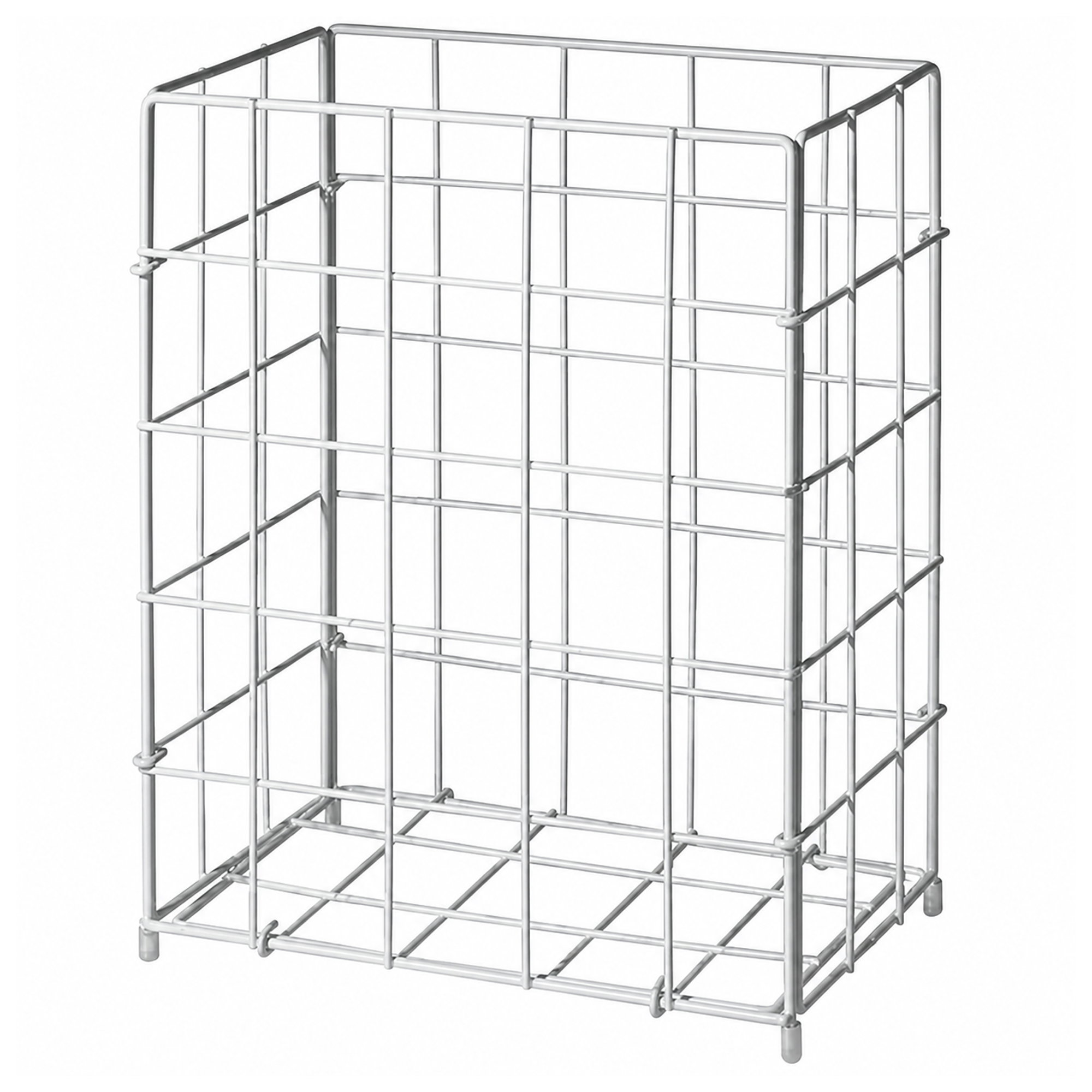
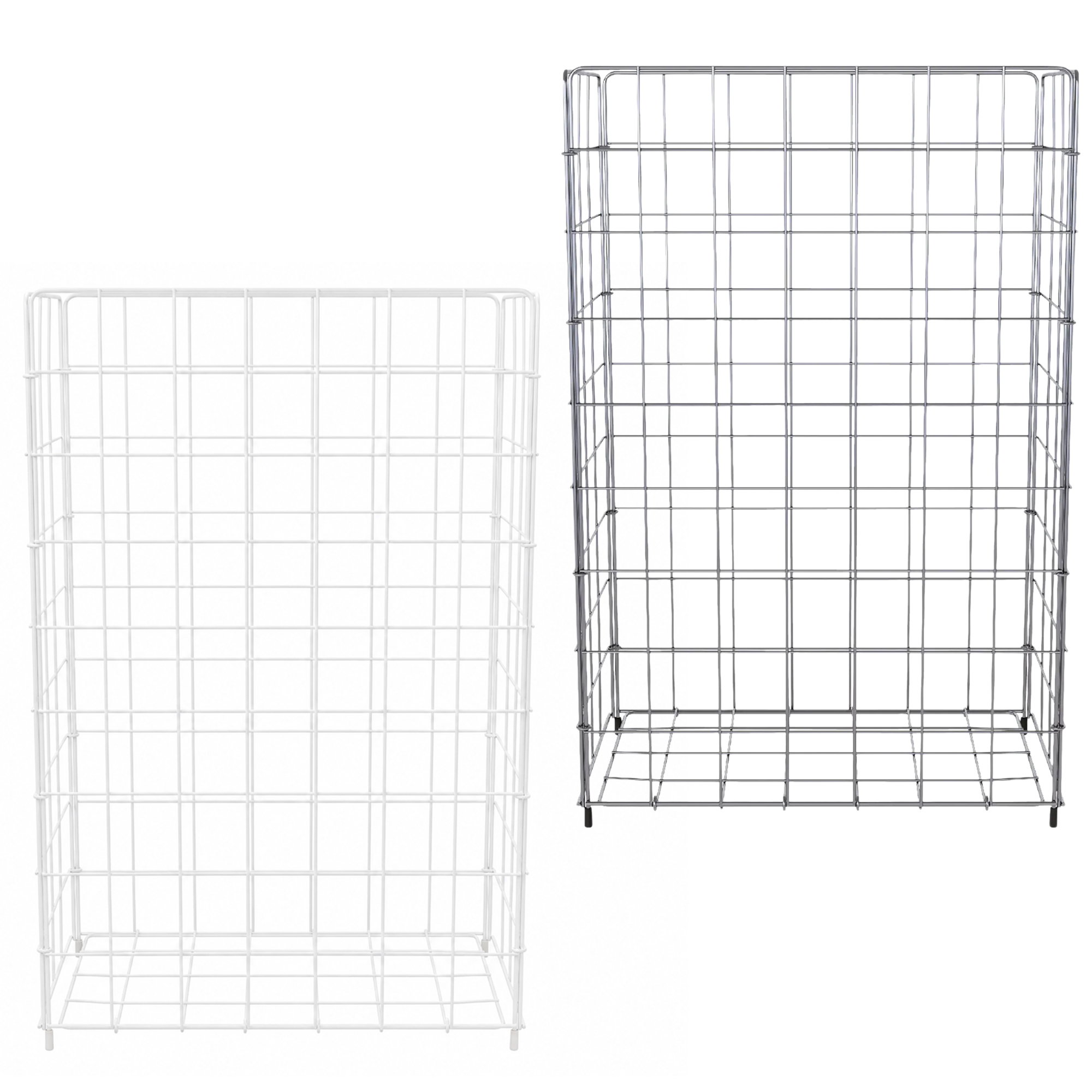
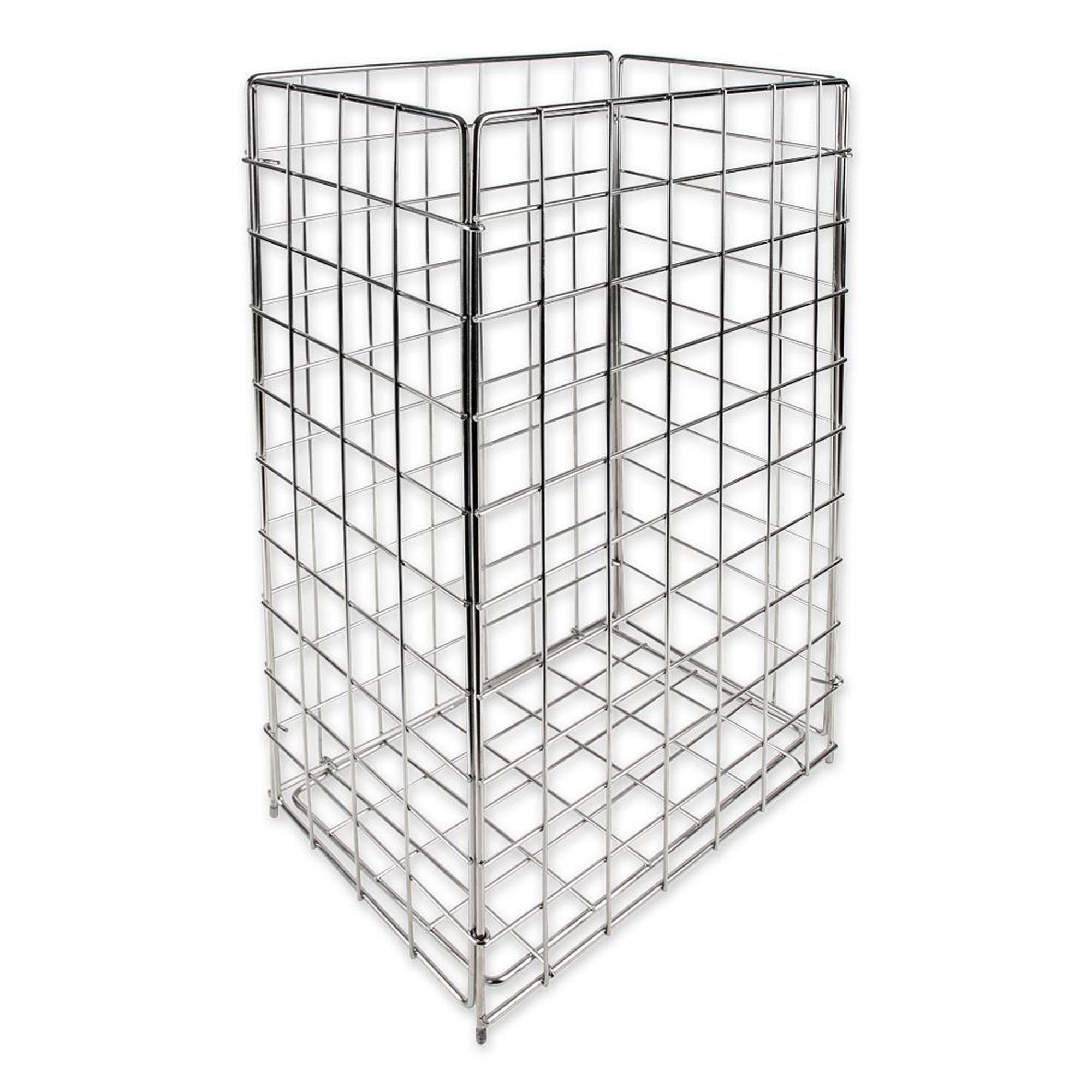
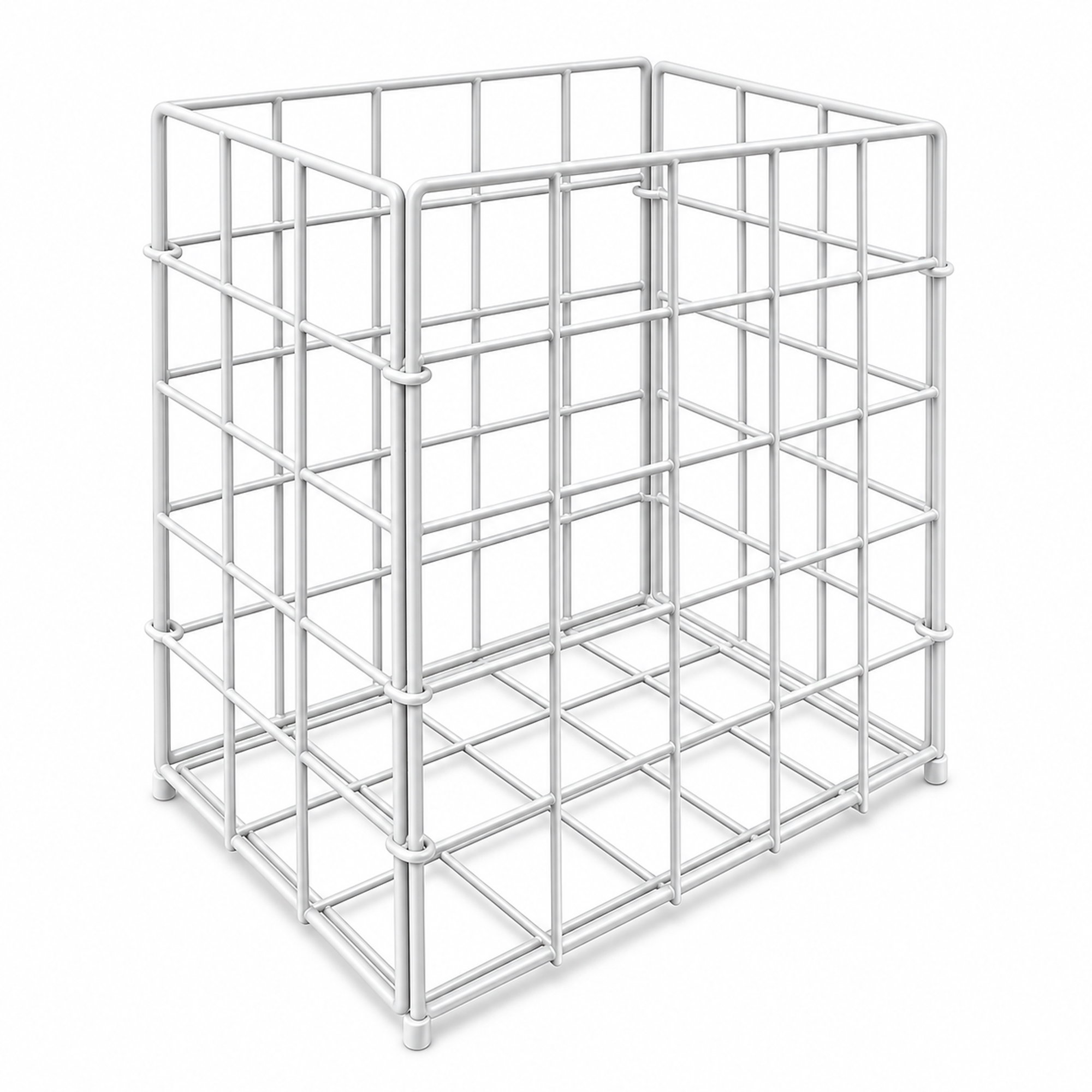
Whether in the office, at reception or in high-traffic areas, the right wastepaper bin keeps spaces tidy and waste disposal simple. At Heros Hygiene, you will find paper and waste bins in common materials and sizes, from lightweight plastic bins to elegant stainless steel models.




Content: 1 piece(s)
Content: 1 piece(s)
Content: 1 piece(s)
Content: 1 piece(s)
The right material for your location
Stainless steel has a high quality appearance and is durable, making it ideal for reception areas and spaces with customer contact.
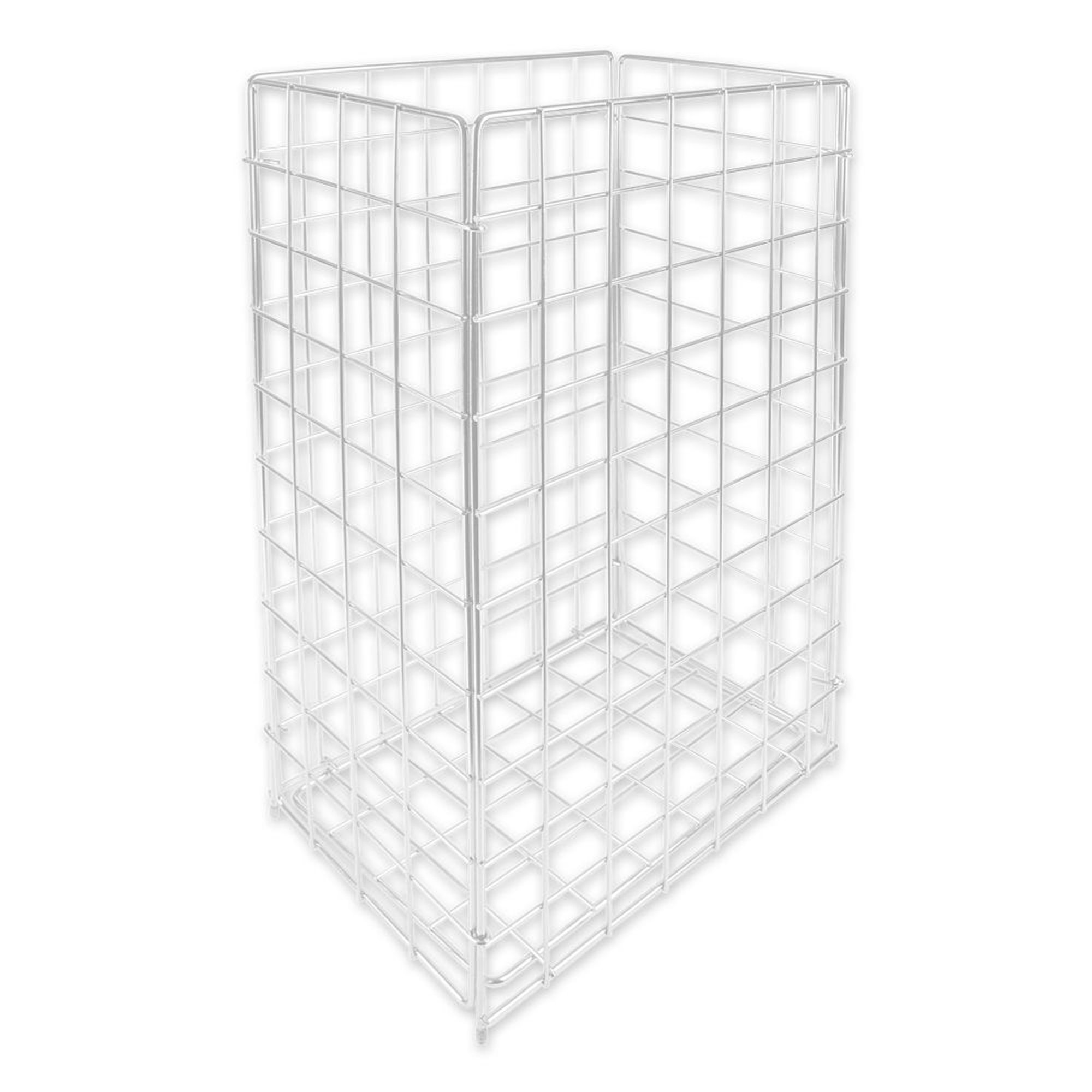
Plastic is lightweight, affordable and easy to clean, making it suitable for offices and utility rooms. Mesh and
wire waste bins are a robust classic for dry waste. In high-traffic areas, sturdy
metal bins are a sensible choice because they can withstand occasional knocks. Our range includes small
desk waste bins as well as large bins for heavily used areas, including products from Tork, CWS
and Katrin.
Waste bags and accessories
Where wet or mixed waste is also generated, it makes sense to use a bin that can be lined with a waste bag.
You can find suitable bags in the Waste Bags category and additional accessories under
Waste Bin Accessories. Make sure that the bag size matches the bin capacity: a bag that is too
small cannot be folded over the rim and will slip into the bin, while one that is too large will form folds
and hang too far down the outside.
How to find the right wastepaper bin
- Capacity: A small bin is sufficient for an individual workstation, while meeting rooms, reception areas and communal spaces require a larger capacity. In high-traffic areas, a large bin is worthwhile so that it does not become full by midday and can be emptied during the regular cleaning routine.
- With or without a bag: An open bin or wire mesh bin is sufficient for dry waste, while mixed waste requires a bin with a bag.
- Mounting: Wall-mounted models keep the floor clear and make cleaning underneath easier.
- Space: Foldable models can be stored compactly when they are not in use.
- Location: Ideally, place bins where waste is generated, such as near desks, printers and kitchenettes, so that less waste ends up on the floor.
- Appearance: When equipping several rooms, it is best to choose a consistent product range for the entire building to maintain
a uniform appearance and use matching waste bags.
Clean and hygienic in everyday use
A wastepaper bin is quick to empty, but it is often forgotten during cleaning. A bag inside the bin
makes emptying easier, especially with wet waste. Bins in kitchenettes and washrooms should
be wiped regularly with a damp cloth. Smooth plastic and stainless steel surfaces without grooves
or edges make this easy, while wire bins are more suitable for dry office waste. Where large amounts
of paper waste are generated, such as near printers, a separate container for wastepaper is worthwhile so that it can be
recycled directly.