

What are incontinence underpads?
Incontinence underpads (also called bed protection pads or medical underpads) are absorbent surface coverings designed to absorb liquids and protect sensitive surfaces. They are primarily used wherever involuntary urine leakage or other fluids may occur, for example on beds, upholstered furniture, chairs or wheelchairs in home care, nursing facilities or hospitals. Disposable incontinence underpads provide hygienic protection for mattresses and furniture by absorbing liquid and preventing it from seeping through thanks to a waterproof backing layer. This facilitates care and cleaning and ensures greater comfort and safety.
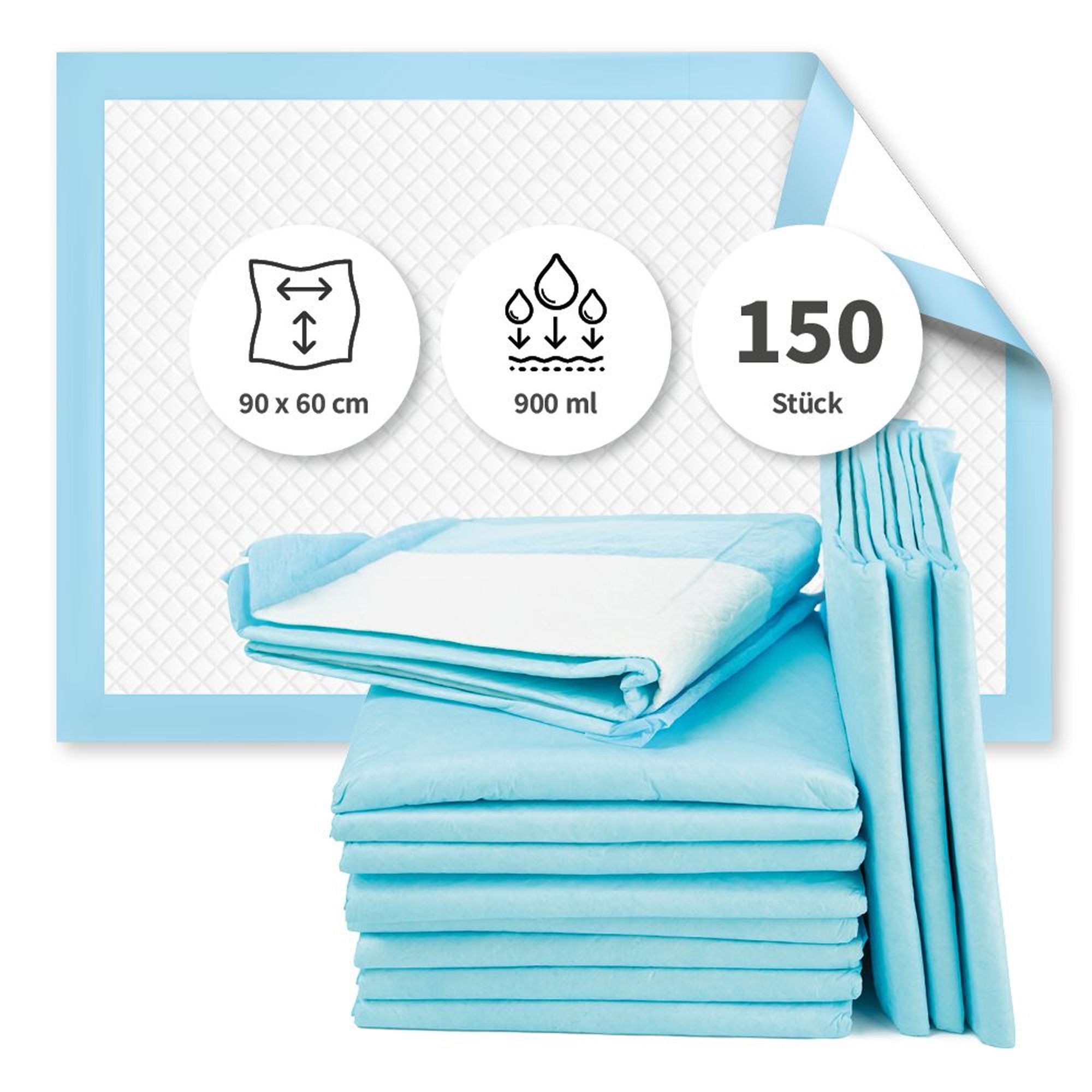
Disposable incontinence pads | 90 x 60 cm | 1-ply | Hygostar
Content: 150 piece(s)
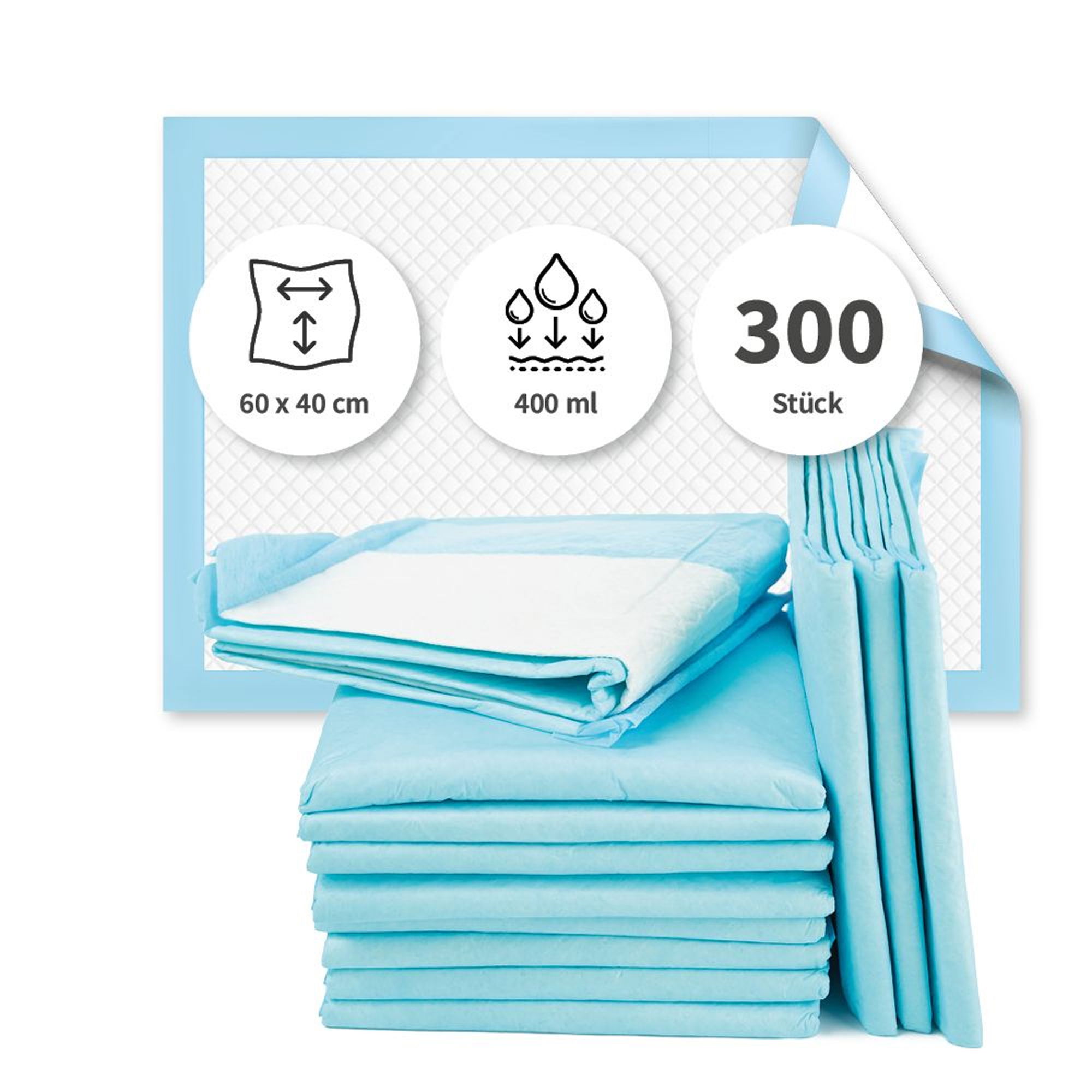
Disposable incontinence pads | 60 x 40 cm | 1-ply | Hygostar
Content: 300 piece(s)
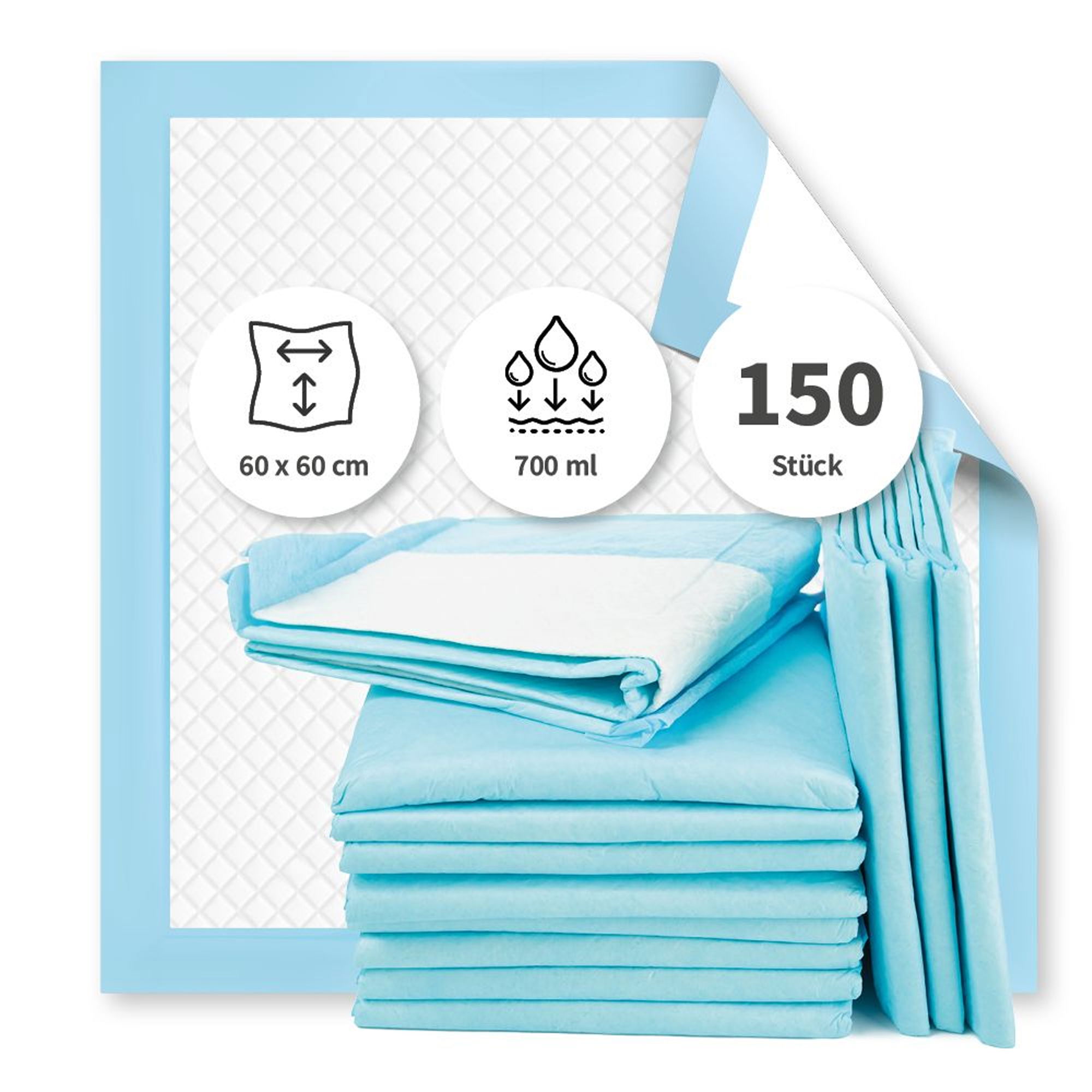
Disposable incontinence pads | 60 x 60 cm | 1-ply | Hygostar
Content: 150 piece(s)
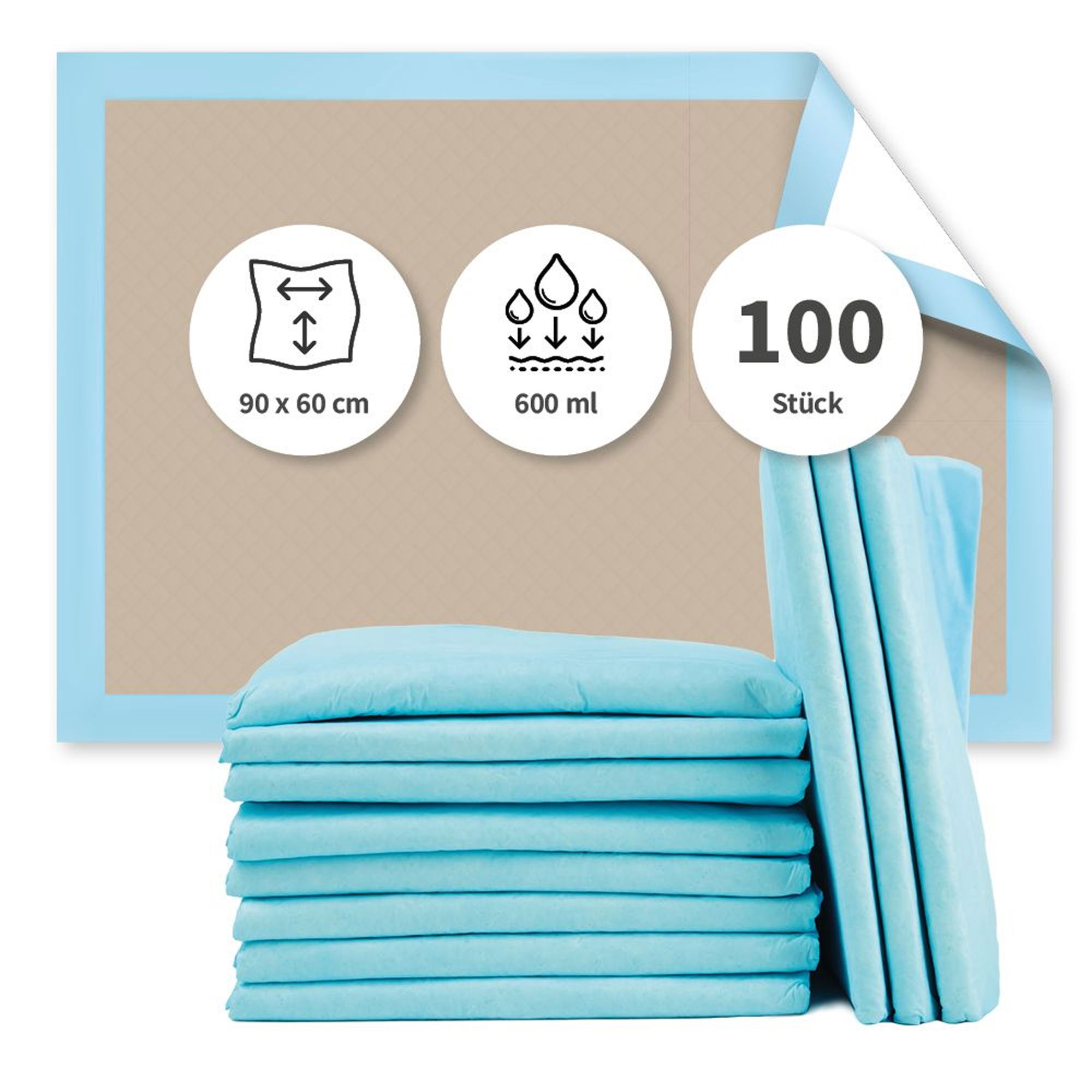
Disposable incontinence pads | 90 x 60 cm | 6-ply | Hygostar
Content: 100 piece(s)
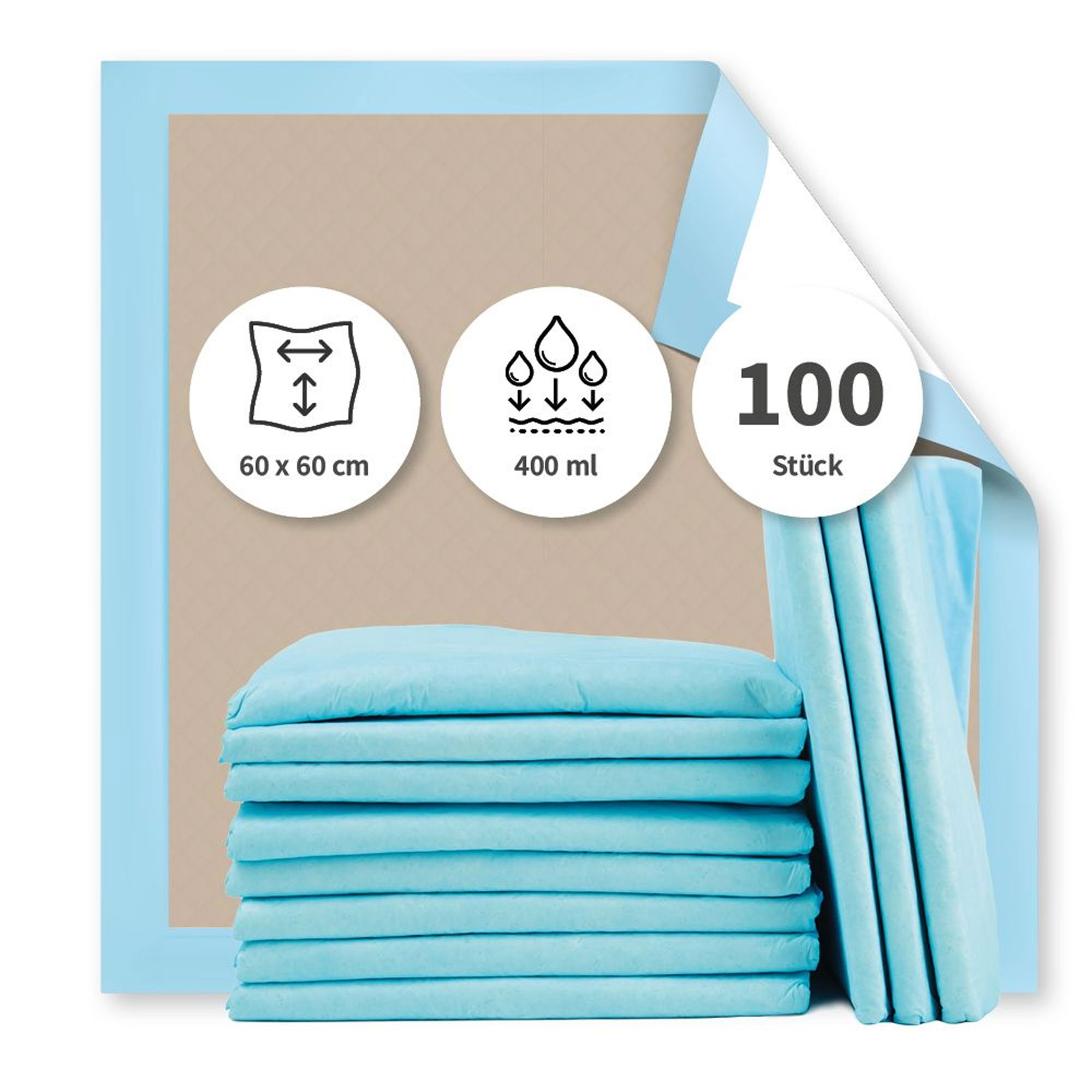
Disposable incontinence pads | 60 x 60 cm | 8-ply | Hygostar
Content: 100 piece(s)
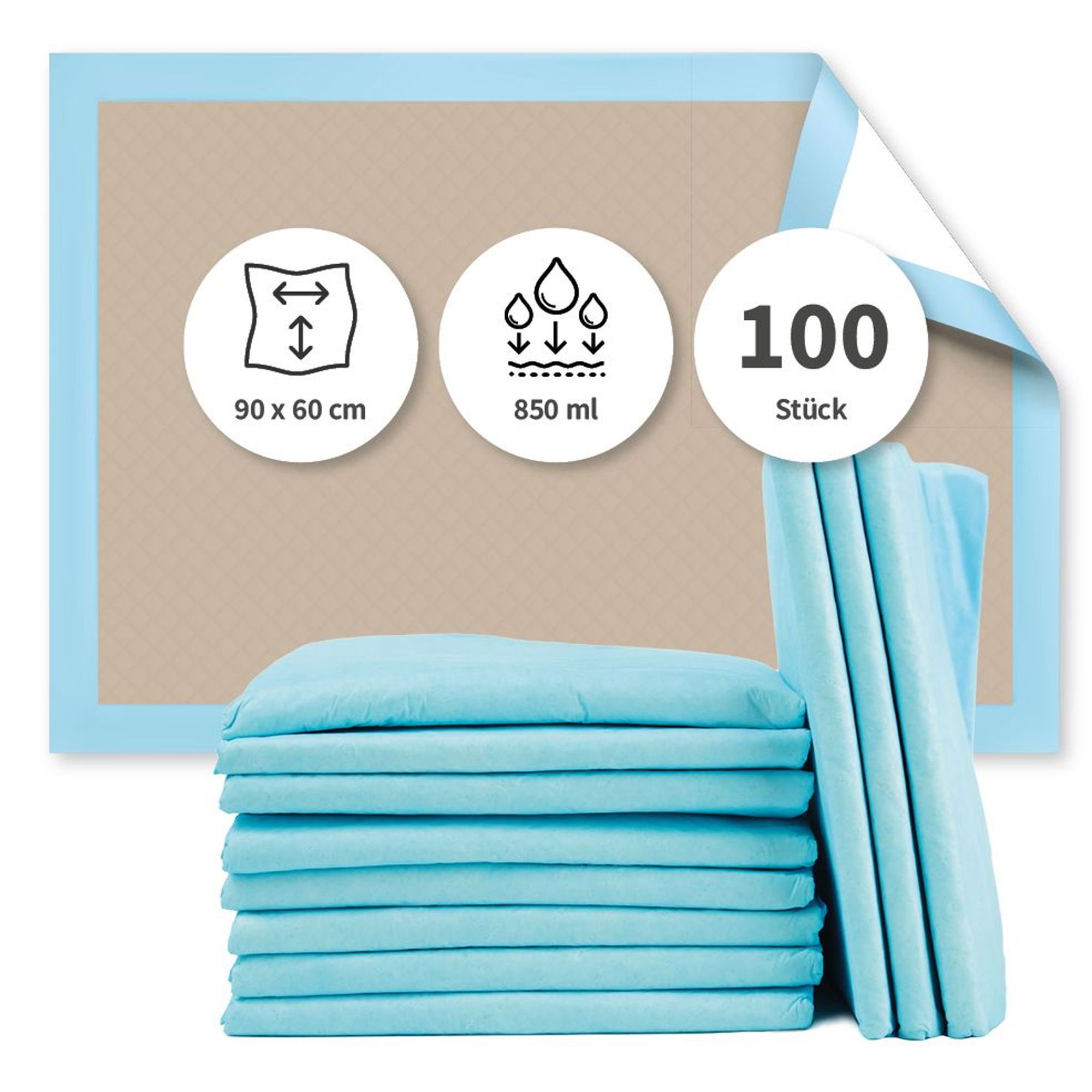
Disposable incontinence pads | 90 x 60 cm | 12-ply | Hygostar
Content: 100 piece(s)
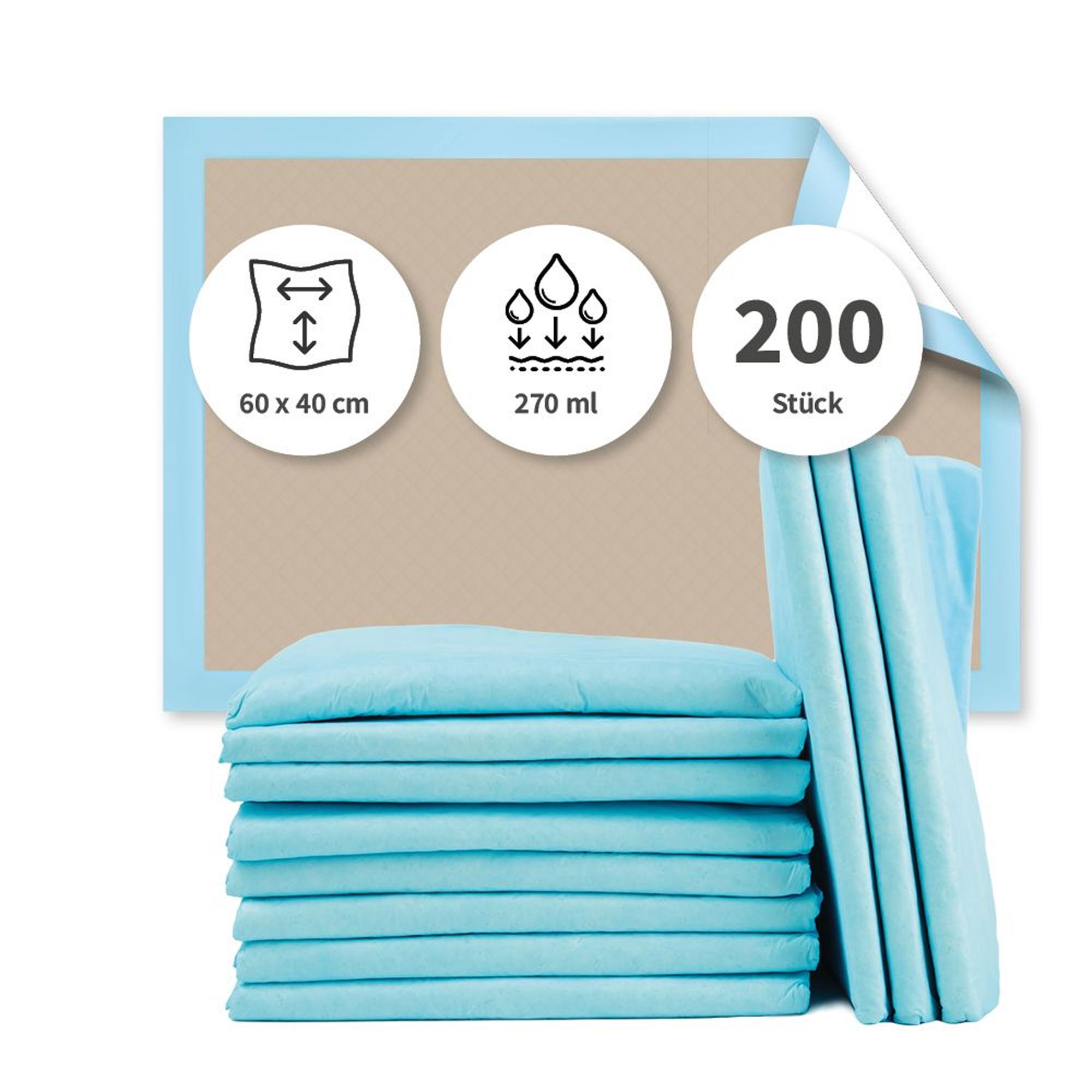
Disposable incontinence pads | 60 x 40 cm | 8-ply | Hygostar
Content: 200 piece(s)
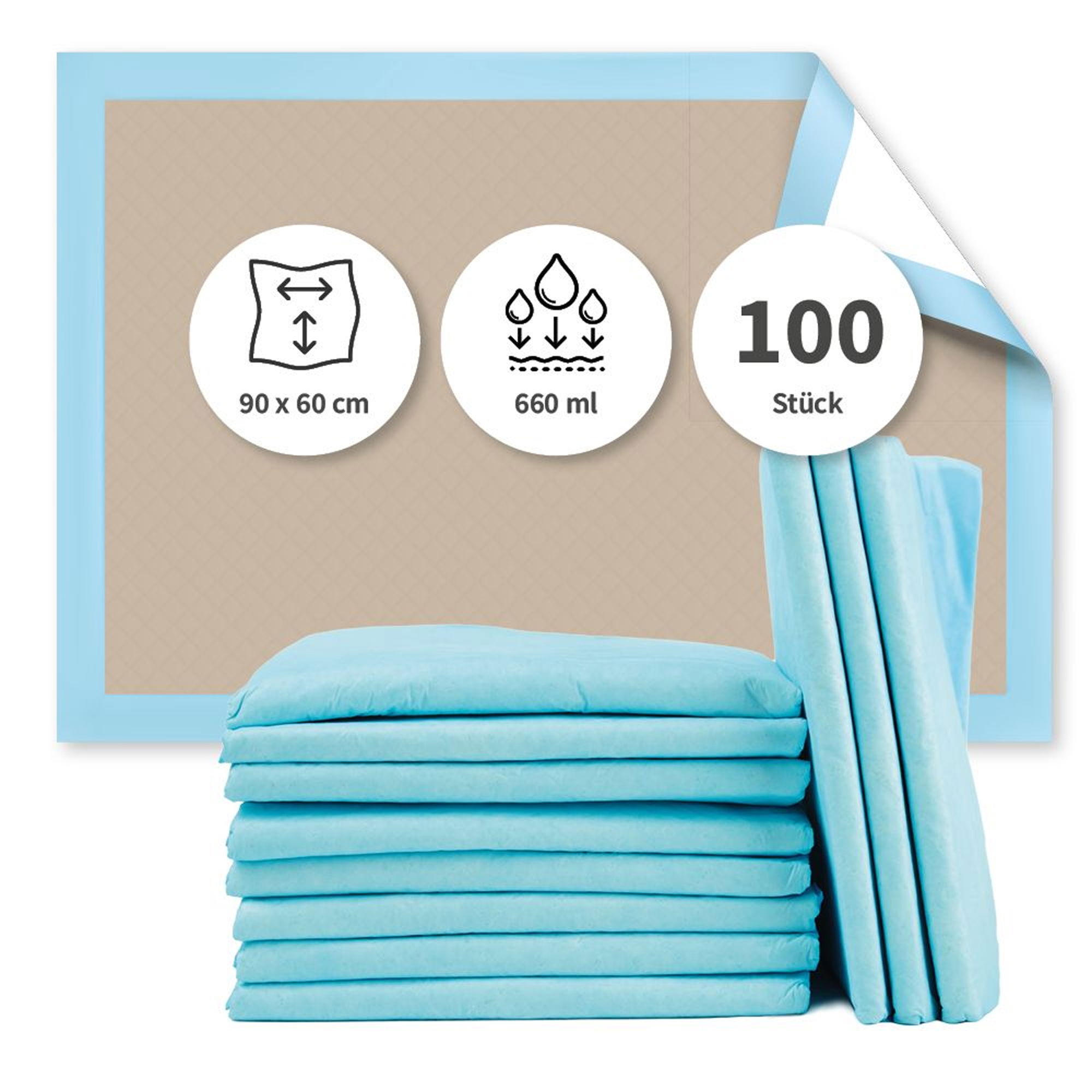
Disposable incontinence pads | 90 x 60 cm | 8-ply | Hygostar
Content: 100 piece(s)
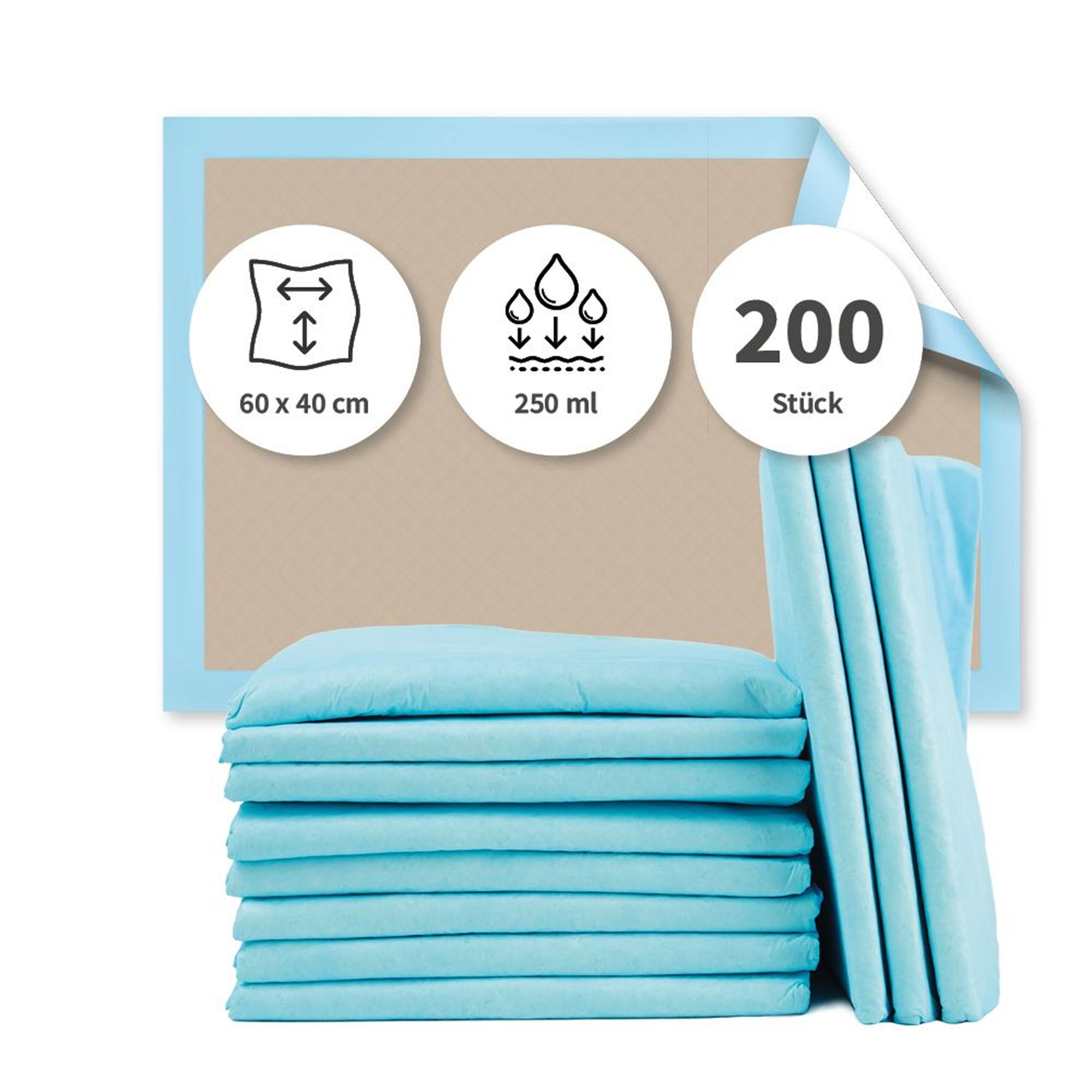
Disposable incontinence pads | 60 x 40 cm | 6-ply | Hygostar
Content: 200 piece(s)
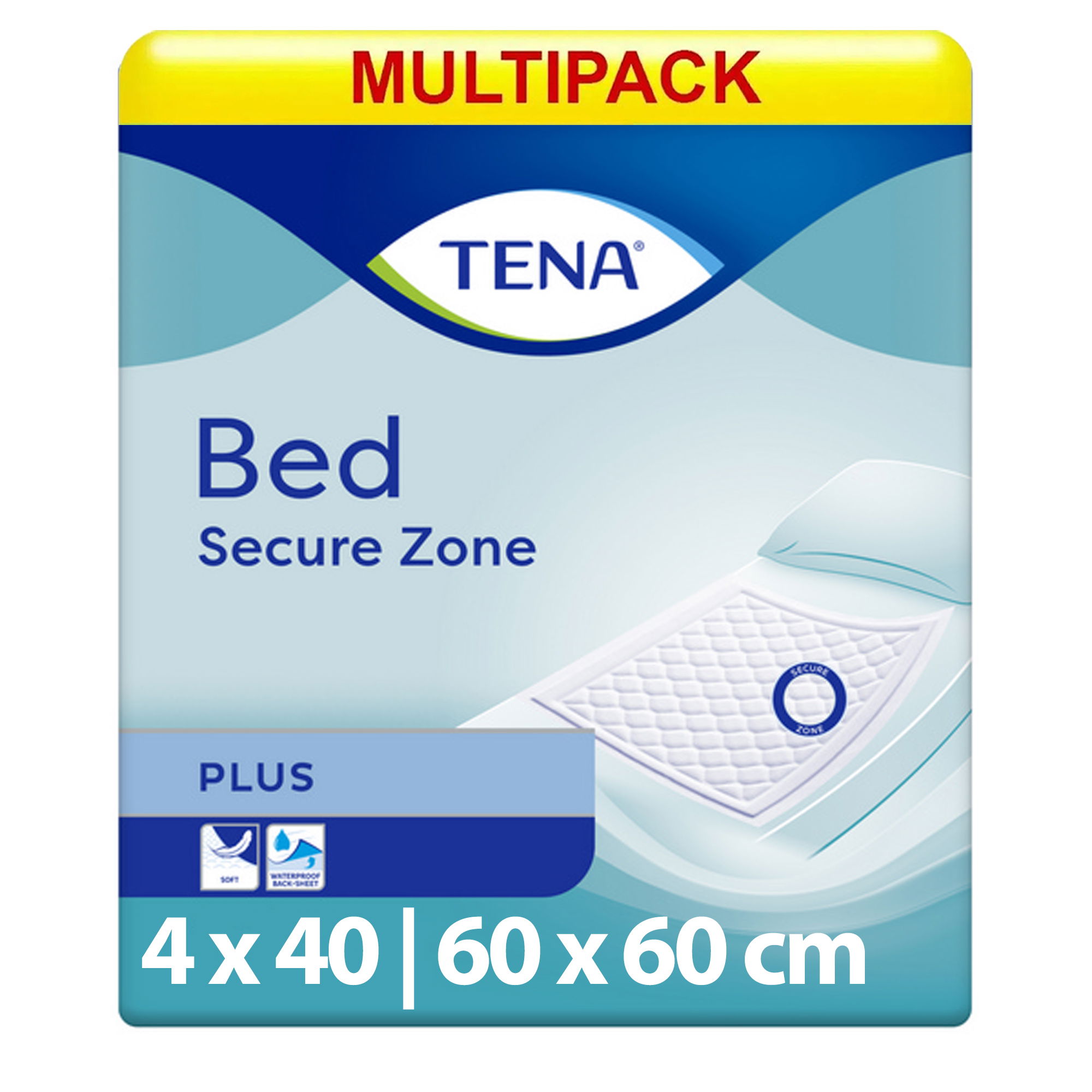
Disposable incontinence pads | 60 x 60 cm | TENA Bed Secure Zone Plus
Content: 160 piece(s)
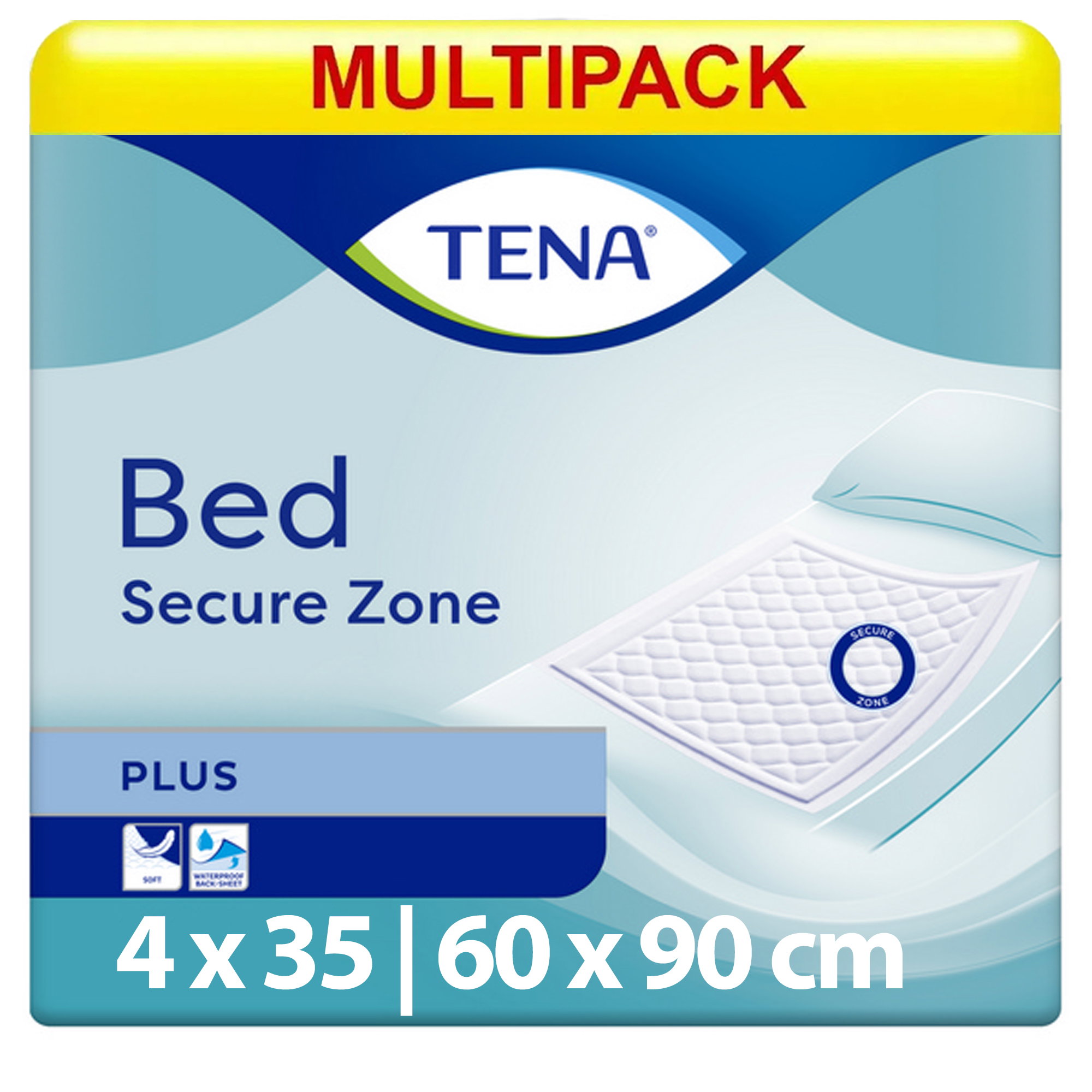
Disposable incontinence pads | 60 x 90 cm | TENA Bed Secure Zone Plus
Content: 140 piece(s)
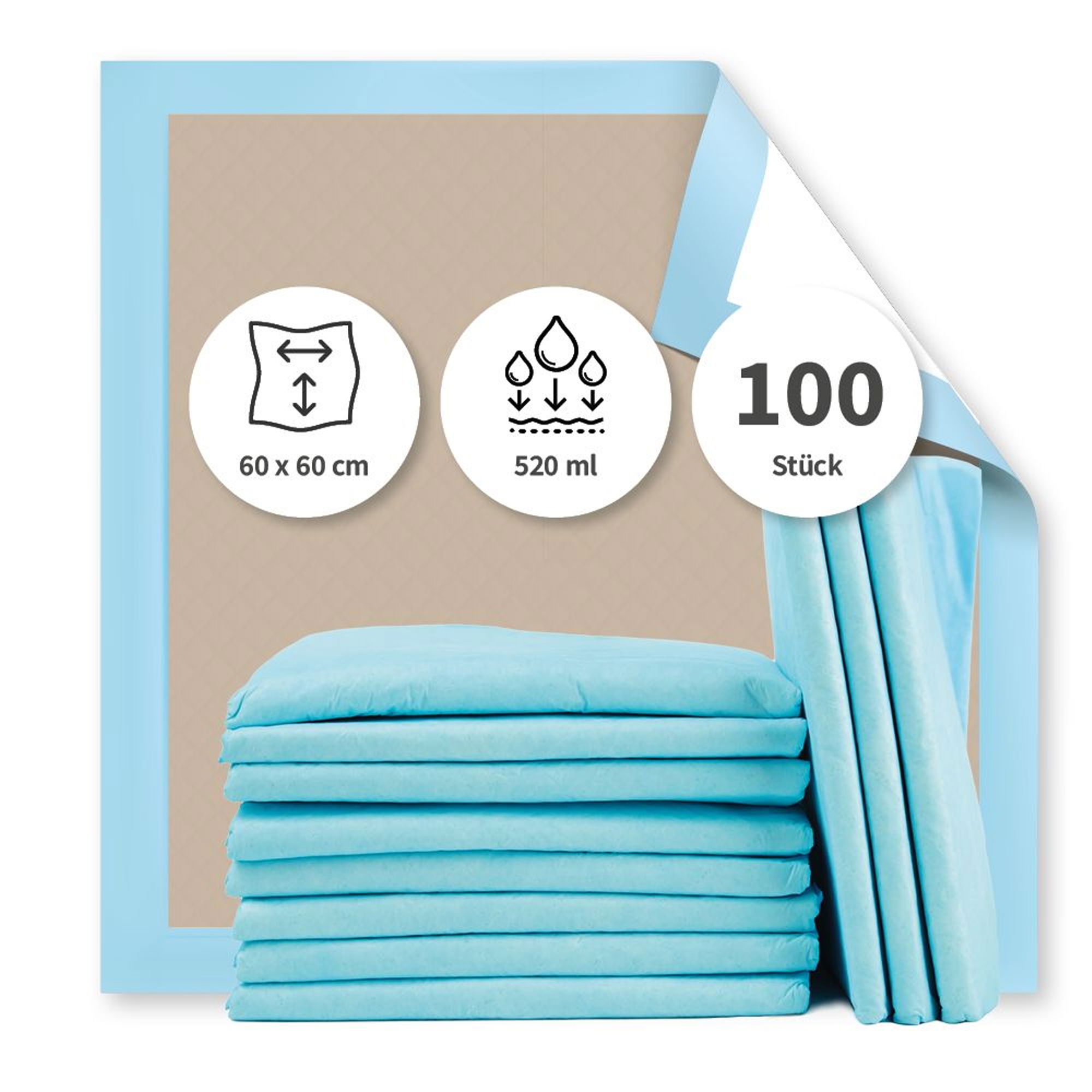
Disposable incontinence pads | 60 x 60 cm | 12-ply | Hygostar
Content: 100 piece(s)
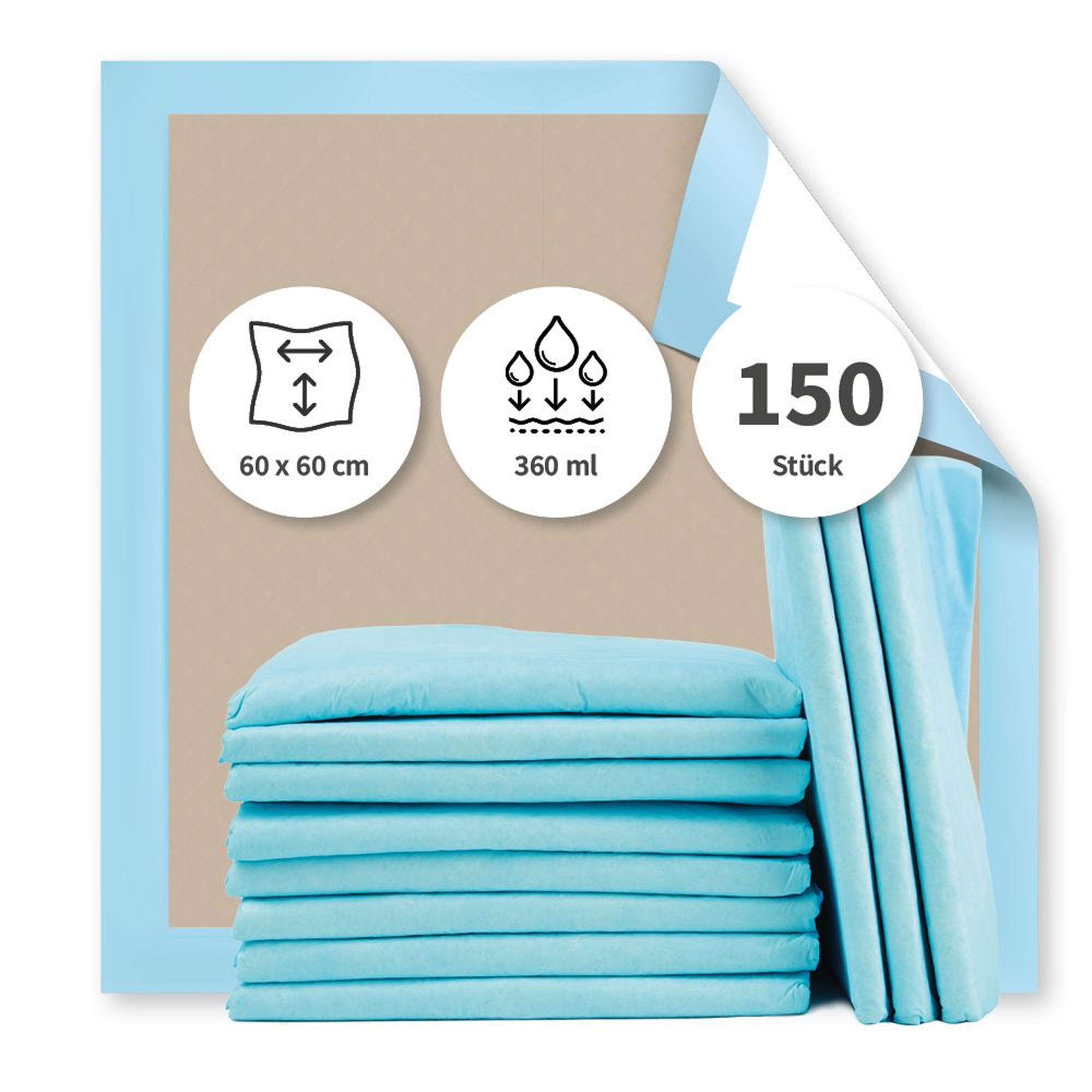
Disposable incontinence pads | 60 x 60 cm | 6-ply | Hygostar
Content: 150 piece(s)
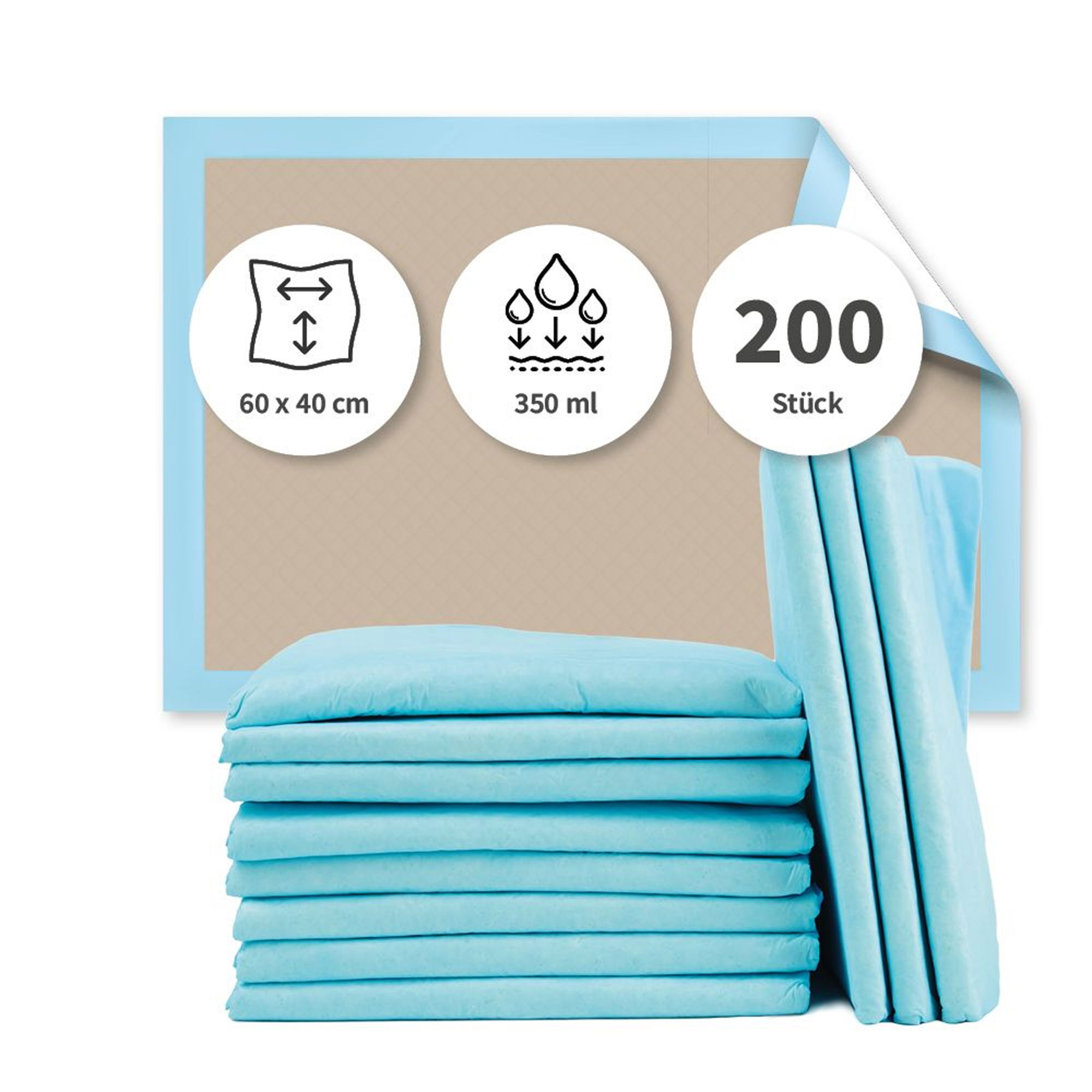
Disposable incontinence pads | 60 x 40 cm | 12-ply | Hygostar
Content: 200 piece(s)
Who are incontinence underpads suitable for?
Incontinence underpads are a great help for anyone dealing with urinary or faecal incontinence. This may be temporary, for example after surgery, or permanent, such as in old age. They are commonly found in care facilities, hospitals and private homes. They can also be useful for children or people with limited mobility. Many customers also use them as a precaution to protect mattresses and furniture.
Areas of application for incontinence underpads
Incontinence underpads are versatile:
In bed
Protection of mattresses in cases of nocturnal urine loss or for bedridden individuals.
On armchairs or sofas
Protection of upholstery or seating surfaces in case of unexpected fluid loss.
In wheelchairs
Additional protection for seating surfaces when on the move or in day care.
In care facilities
Facilitates daily care routines and ensures hygienic conditions.
Depending on the area of use, there are different sizes and shapes that can be conveniently placed on the respective surface.
How many layers and how much absorbency are appropriate?
The performance of an incontinence underpad depends largely on the number of layers and its absorption capacity. Multi-layer underpads generally have:
- A soft top layer that quickly absorbs liquid and feels comfortable.
- One or more absorbent layers made of pulp or similar materials that absorb and distribute liquid.
- A waterproof film layer on the underside that prevents leakage.
Depending on requirements, products are available with different numbers of layers and corresponding absorbency levels:
Light absorbency (approx. 300 - 500 ml)
Underpads with light absorbency are suitable for mild incontinence situations or when short-term protection is needed while on the go. They absorb approximately 300 – 500 ml of liquid, which is sufficient in many cases where only small amounts occur. This corresponds to about 1 to 2 average urinations in an adult, who typically voids around 200 – 300 ml per single micturition.
Medium absorbency (approx. 500 - 800 ml)
Underpads with medium absorbency are the most common choice for everyday and night-time use in cases of moderate incontinence. They can absorb 500 – 800 ml and are well suited for individuals who regularly lose somewhat larger amounts of liquid or require longer usage times without immediate changing. Medium absorbency provides sufficient capacity to cover several smaller voids over a period of time without leakage.
High absorbency (approx. 800 – 1500 ml)
Underpads with high absorbency are intended for more severe incontinence or night-time use. They can absorb between 800 and 1500 ml of liquid. This capacity is particularly recommended when changing is not possible over longer periods, such as at night or for bedridden individuals. Some premium models can even absorb more than 1500 ml and are therefore suitable for very high urine volumes or combination with other aids.
In care practice, several litres of liquid may occur per day depending on the situation, which is why high absorbency is important to prevent skin irritation and moisture problems.
Differences and advantages/disadvantages of the materials
Incontinence underpads are made from various materials, each with specific strengths and characteristics:
Polyethylene (PE)
Polyethylene usually forms the bottom, waterproof layer of an underpad. This film reliably prevents moisture from penetrating. PE is lightweight, flexible and durable.
Advantages: effectively prevents leakage, easy to manufacture, cost-effective in production.
Disadvantages: not absorbent, may be less breathable in the area of the underpad.
Polypropylene (PP)
Polypropylene is often used for the top nonwoven layer or intermediate layers. This material can be processed to be hydrophilic so that liquid is quickly absorbed and evenly distributed.
Advantages: good liquid permeability, breathable, pleasant on the skin.
Disadvantages: not particularly absorbent on its own, therefore usually combined with pulp.
Cellulose / pulp
Cellulose or pulp forms the absorbent core layers of the underpad. These fibres can absorb, store and retain large amounts of liquid. Pulp is often combined with superabsorbents to further increase capacity.
Advantages: high absorbency, distributes liquid well, natural fibres.
Disadvantages: without a waterproof backing it could leak through, therefore always combined.
The combination of these materials ensures that incontinence underpads are both comfortable to use and functionally reliable: fast absorbing, secure storage and liquid-proof.
Are our bed underpads washable or disposable?
In our shop you will only find the disposable version. Disposable underpads are particularly practical for quick use and can simply be disposed of after use. They are well suited for travel or when a quick solution is required. Washable bed underpads, on the other hand, are reusable and often more cost-effective in the long term. They are particularly environmentally friendly and can be cleaned in a washing machine. Which version is more suitable depends on individual needs.
How often should the underpad be changed?
The incontinence underpad should be changed at the latest when it is heavily soaked. This protects the skin and maintains hygiene. In care routines, it has proven effective to change the underpad at least once daily, and more often if necessary. Those who want to be on the safe side integrate the change into the daily care routine. This helps create a clean and comfortable environment.
Buy incontinence underpads online
At heroshygiene.ch, we offer a wide range of incontinence underpads in different sizes, absorbency levels and versions, from disposable bed protection pads for daily needs to highly absorbent solutions for more severe fluid loss. This allows you to find the right underpad for your needs. Benefit from professional advice from our specialist staff, fast delivery times from order and fair prices.