
What are laundry bags?
A laundry bag, also called a laundry sack, is a sturdy bag or sack used for the storage, hygiene and transport of dirty laundry. Whether in private households, in care or medical settings, in hotels, hospitals or laundries: laundry bags ensure that soiled clothing, bed linen or textiles are collected separately from clean laundry before washing. They not only facilitate the organization of the washing process, but also make a significant contribution to cleanliness, hygiene and efficient laundry handling.
Laundry bags are available in different sizes, designs and materials. Some are reusable and durable, others are designed as disposable solutions that can be placed directly into the washing machine together with their contents after use. Especially in facilities with a high volume of laundry, such as hospitals, nursing homes or large households, suitable laundry bags are an essential component of efficient laundry logistics.
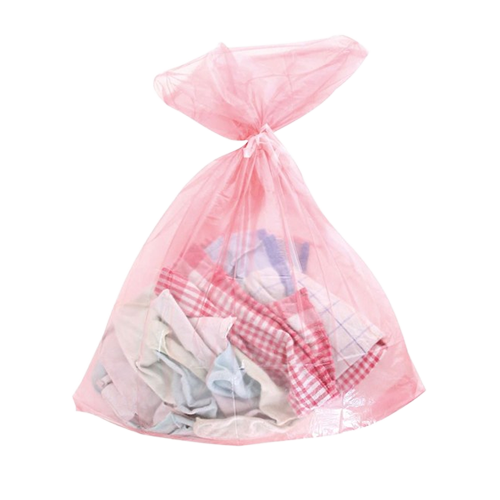
Easy Care Laundry Bag | water-soluble centre seam | Hygonorm
Content: 200 piece(s)
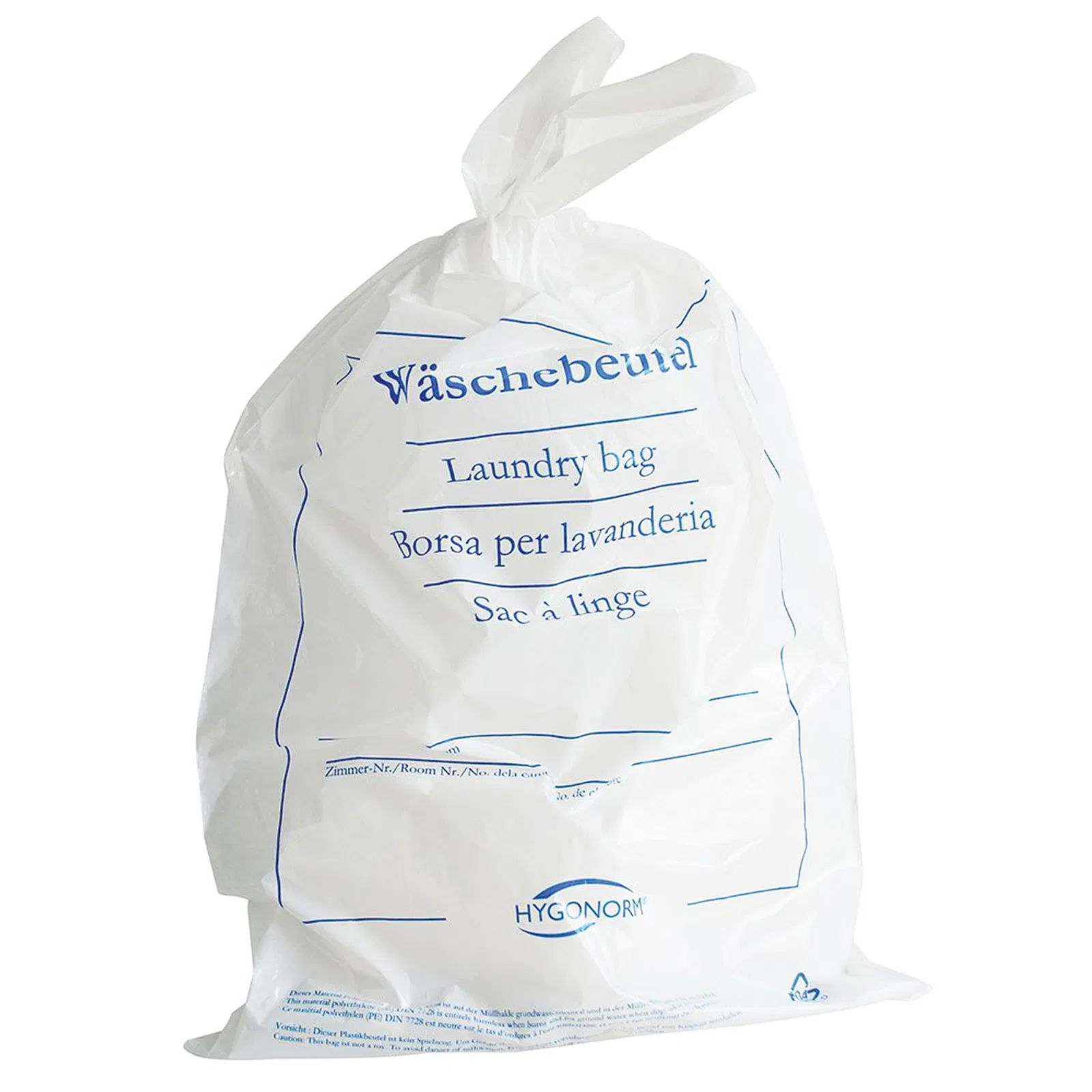
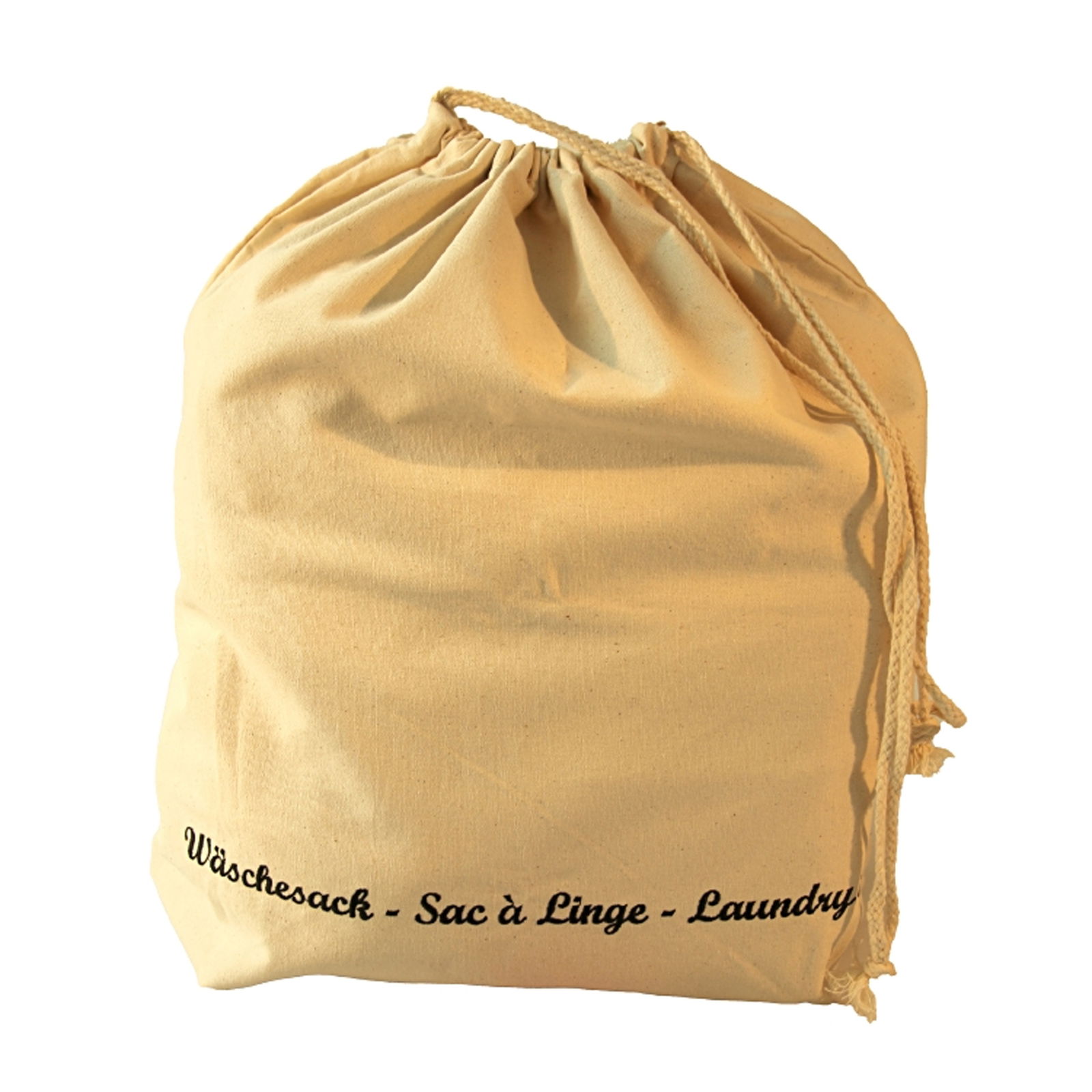
Classic Laundry Bag | Plastic Drawstring | Hygonorm
Content: 1000 piece(s)
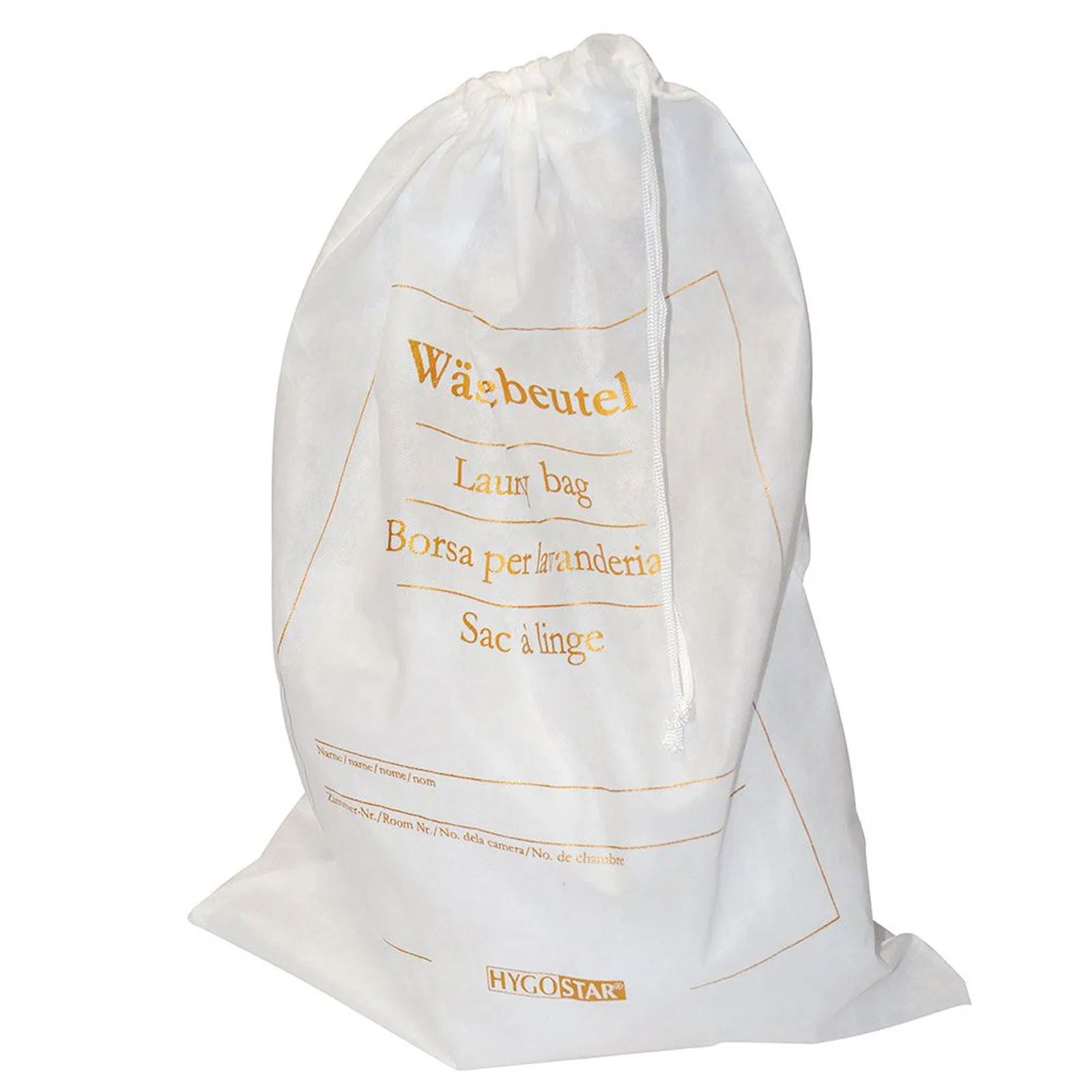
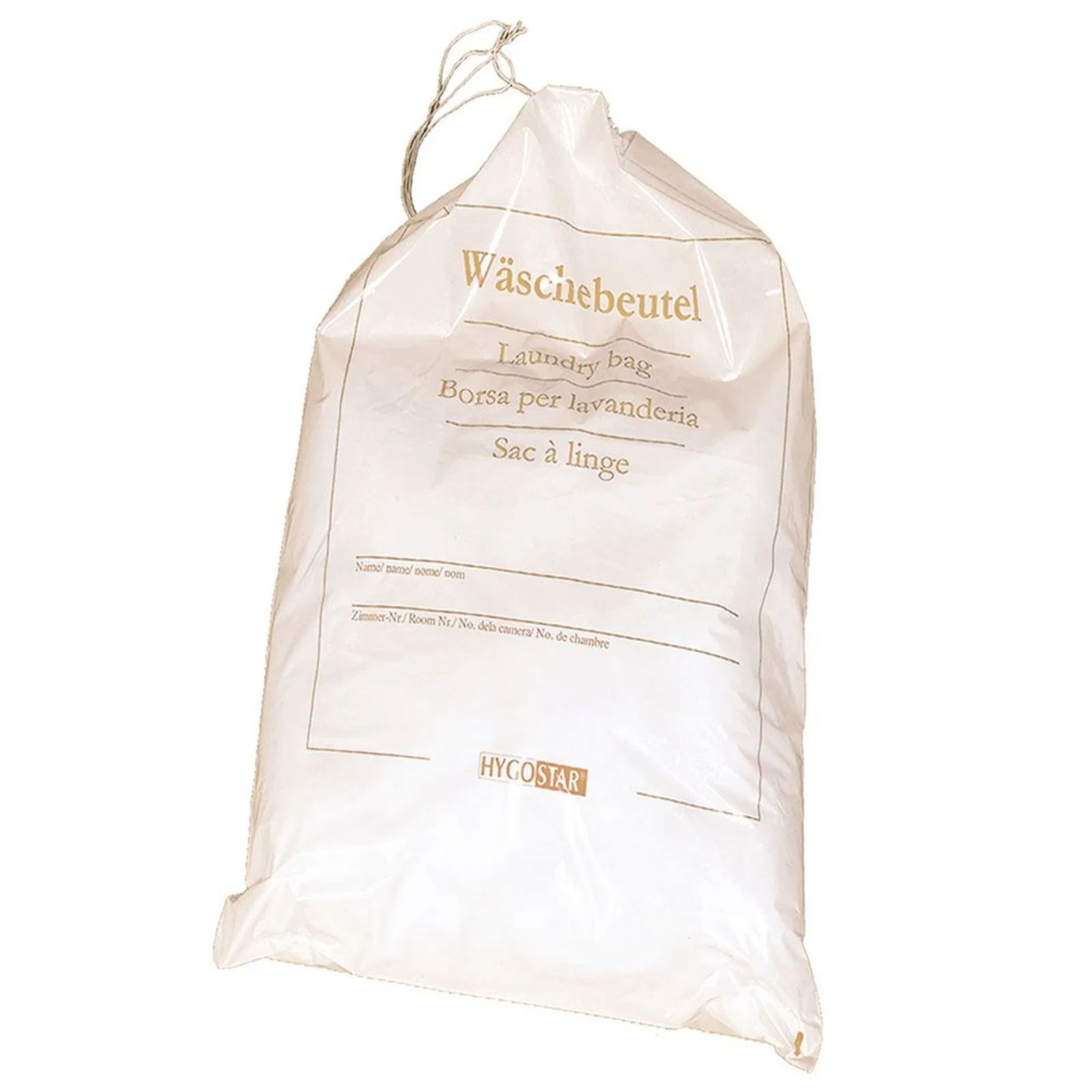
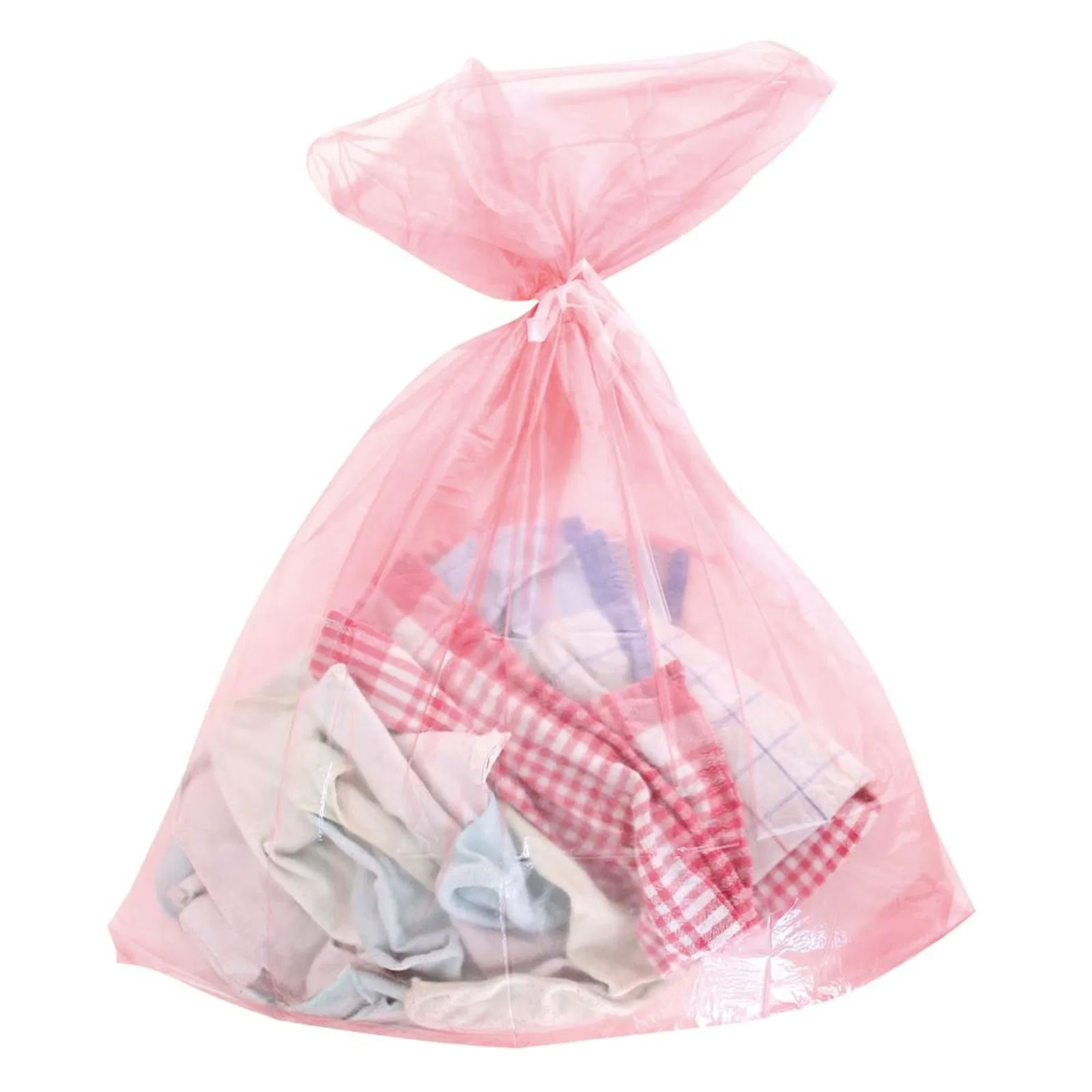
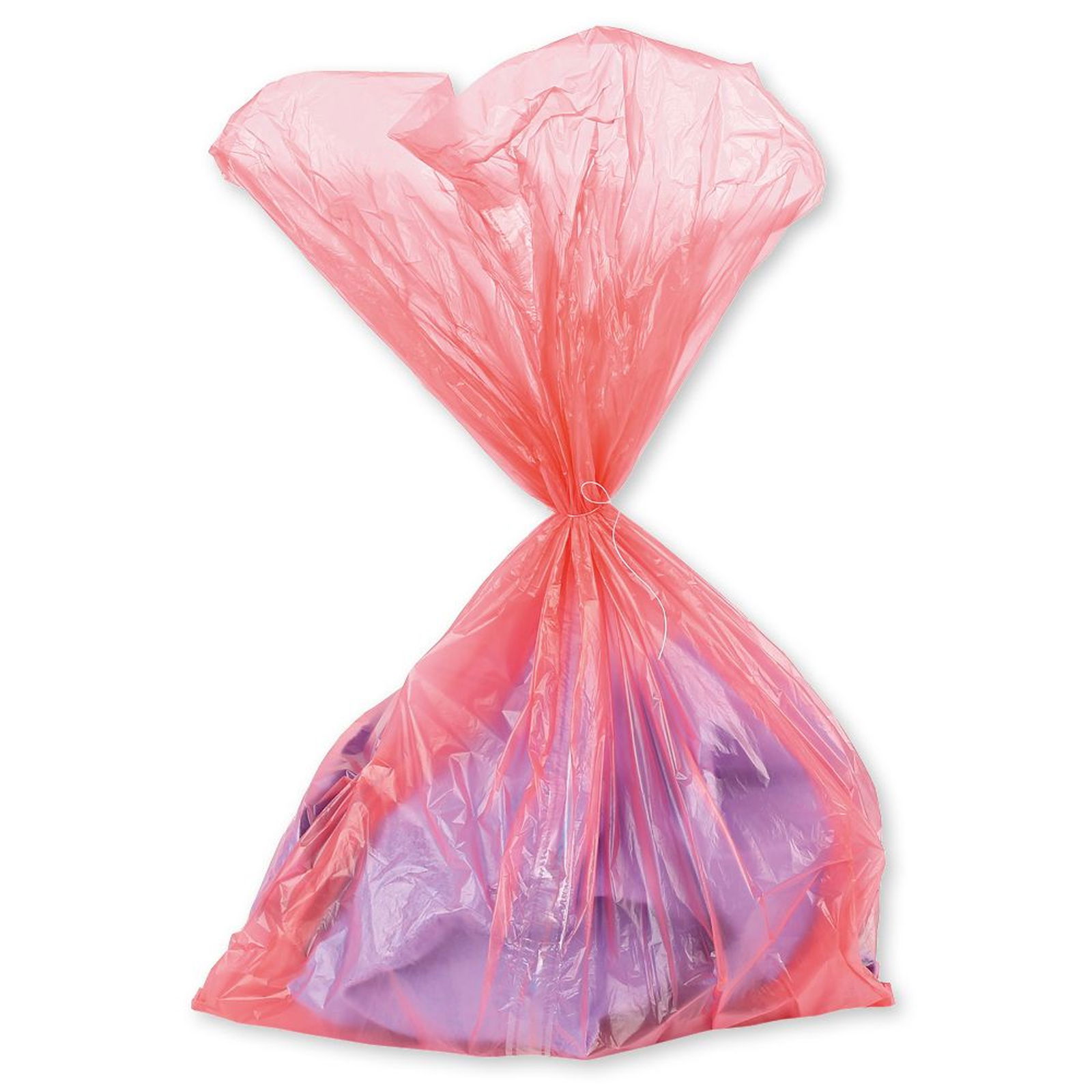
Care Laundry Bag | Plastic drawstring | Completely water-soluble | Hygostar
Content: 200 piece(s)
What are laundry bags used for?
Laundry bags fulfill several practical functions in everyday life:
Collecting dirty laundry
They provide a clean, closed solution for collecting worn clothing, bed linen or towels.
Hygienic transport
In hospitals or care facilities, they reduce direct contact with contaminated laundry.
Use in washing machines
Certain bags can be placed directly into the washing machine without removing the contents, simplifying workflows and minimizing cross-contamination.
Organization at home
In private households, laundry bags help keep laundry separated by color or type (e.g. delicate items, sportswear).
Choosing the right laundry bag | explained material differences
The material from which a laundry bag is made influences durability, reusability, washability and hygiene. Below are the main materials and their characteristics:
Laundry bags made of cotton
Cotton is a natural fiber with high tear resistance and wash durability. Cotton laundry bags are soft, long-lasting and can be reused multiple times. They are well suited for domestic use, as they can be washed in the machine and are breathable. Due to their natural structure, they are also suitable for delicate textiles.
Advantages: reusable, natural, pleasant to handle
Disadvantages: not waterproof, may retain odors with heavily soiled laundry
Laundry bags made of HDPE (High-Density Polyethylene)
HDPE is a robust plastic frequently used for durable laundry bags or sacks. This material is tear-resistant, weather-resistant and well suited for heavier or larger volumes of laundry. HDPE bags are often cost-effective and can be reused multiple times.
Advantages: high strength, robust, often reusable
Disadvantages: not breathable, less suitable for textiles requiring air circulation
Laundry bags made of PP (polypropylene nonwoven)
Bags made of polypropylene nonwoven are lighter yet stable and are characterized by good strength, low moisture absorption and high tear resistance. These nonwoven materials combine the advantages of textile and plastic and are often suitable for washing machines and dryers.
Advantages: lightweight, stable, flexible and often recyclable
Disadvantages: less natural than cotton
Laundry bags made of polyethylene (PE)
Polyethylene is a flexible plastic often used in thinner forms for laundry bags. PE bags are water- and dirt-repellent, making them practical for transporting wet or damp laundry. They can be reused multiple times but are less tear-resistant than HDPE bags.
Advantages: protects against moisture, dirt-repellent
Disadvantages: less breathable, may be damaged more quickly
Laundry bags made of polyvinyl alcohol (PVA)
A special material is polyvinyl alcohol. PVA bags are water-soluble and were primarily developed for the hygienic handling of contaminated laundry. After filling, such bags can be placed directly into the washing machine, where they dissolve completely at specific temperatures and release the laundry without the contents having to be removed individually. This reduces handling risks and minimizes the risk of germ transmission, especially in hospitals, nursing homes or medical facilities.
Advantages: water-soluble, hygienic, ideal for contaminated laundry
Disadvantages: usually single-use solution, more expensive than conventional bags
When which material makes sense
The right choice depends on the area of application and your requirements:
Cotton: ideal for households, reusable and skin-friendly
HDPE: robust and strong for heavy or wet laundry, also suitable for large quantities
Polypropylene nonwoven: lightweight, practical all-round solution with good durability
Polyethylene: cost-effective, moisture-repellent, suitable for mixed laundry
PVA: perfect when direct transfer into the washing machine without opening the bag is required
FAQ | Frequently asked questions about laundry bags
What are laundry bags used for?
Laundry bags are used to collect, transport or wash dirty laundry separately and hygienically without having to handle each item individually.
Can laundry bags be used in the washing machine?
Yes, many models can be washed directly in the machine. Water-soluble PVA bags dissolve completely there.
Which material is the most durable?
HDPE bags are very robust and tear-resistant; cotton and polypropylene nonwoven are reusable and durable; PVA bags are single-use and specifically designed for hygienic applications.
How do I dispose of disposable laundry bags?
Disposable bags such as PVA bags dissolve in the washing machine. Other disposable bags should be disposed of in residual waste or, depending on the material, in the appropriate recycling stream.
Buy laundry bags online at affordable prices
At heroshygiene.ch you will find a wide selection of laundry bags in various materials, from robust HDPE bags and practical polypropylene nonwoven models to water-soluble PVA bags for hygienic applications. This allows you to find the right solution for your needs, whether at home or in a professional environment. Order your desired laundry bags conveniently online and benefit from professional advice from our trained staff, fast delivery directly from our Swiss warehouse and attractive prices.